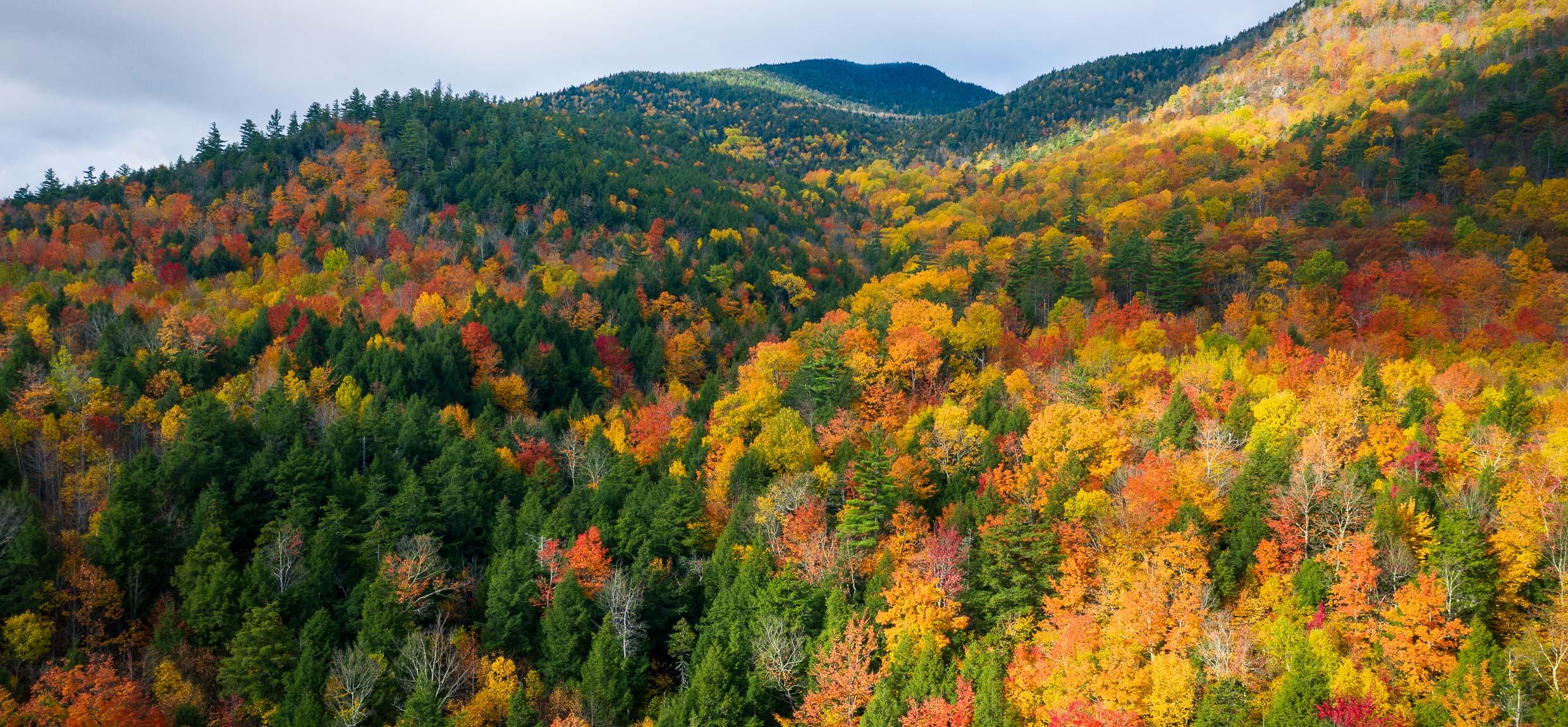

In the fall of the year, in almost any rural locale in the northeast, you are likely to hear an apocryphal tale about the unschooled recent arrival from down-country and his tamaracks. The complete…
June 30th 2011
Long Beards and Short Tales: Our Lumbering Language
What do loggers and moneylenders have in common? When is a lumberer a lumberjack? And what the heck is a lumber room? The answers to these questions are intertangled and ancient, and can be found in…
June 27th 2011
Green Plants Join the Tech Boom
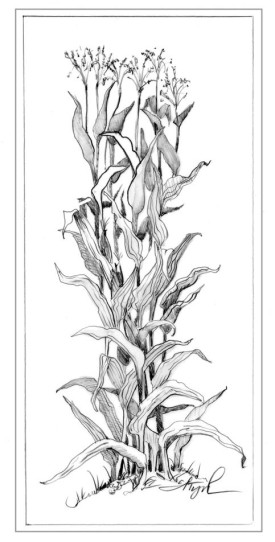
We’ve become accustomed to constant improvements in the high-tech world. Computing power doubles every 18 month, new software upgrades become available by the week, and no sooner have you…
June 24th 2011
The Weeks Act and the Next Century of Conservation in New England
A century ago, northern New England was a mess. Its forests were cut over and burned out, and the remaining stands were a mere remnant of the wooded expanse that once sheltered native peoples and…
June 20th 2011
In the Realm of the Elm
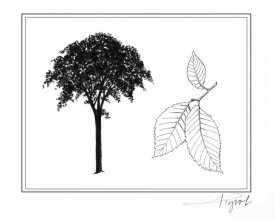
Last June, Rose Paul, The Nature Conservancy’s director of science and stewardship in Vermont, grasped a seven-foot-tall American elm sapling at the base of its trunk, slid a three-gallon pot…

June 16th 2011
The Thunderstorm Mill: Making Lumber the Old-Fashioned Way
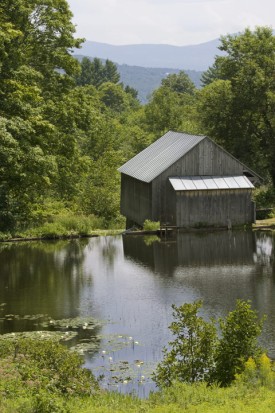
Water power. Our ancestors, those stalwart souls who headed off into the wilderness to build new settlements, depended on it. They dammed streams and rivers to power the mills that were essential to…
June 13th 2011
Moose Suffers From Cousin’s Parasite
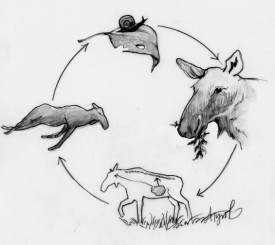
Our reaction to the word ‘parasite’ is usually one of disgust. After all, aren’t parasites the creepy, revolting little creatures that burrow into animals’ bodies and spread…
June 7th 2011
Big, Bold and Rusty: Invasive Crayfish has Claws
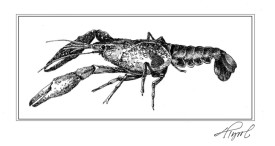
Invasive species don’t always arrive in North America in the bilge of a boat from Asia, in a shipment of wood from Europe, or from another distant shore. Some species, like the rusty crayfish,…

June 3rd 2011
Wayward Line & Orb
We’ll only say that yes, you do know what it is. Maybe this will be the week we’ll finally get to keep our book.

June 3rd 2011
How Not to Get the Shot
Clouds – big suckers, with glorious mashed-potato tops and ominous sepia-toned bellies – trolled like battleships across Bahamian blue skies Wednesday afternoon. Back on earth,…

May 30th 2011
Nitrogen Pollution Empties the Pitcher Plant
Find yourself a sphagnum-covered bog in Vermont or New Hampshire, and you’re likely to find a pitcher plant. Peer a little closer, and you’ll find a miniature food web living within each…
May 27th 2011
Tricks of the Trade: Understanding Low-Kickback Saw Chain
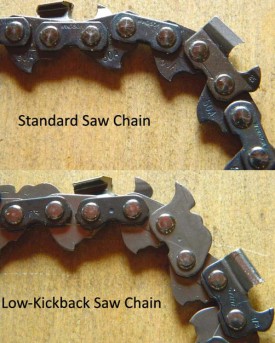
Some chainsaw chains are designed to minimize the reactive force known as kickback. These chains are found on a wide range of chainsaws made for homeowners, arborists, and loggers and are required to…
May 27th 2011
An Ode to Warblers
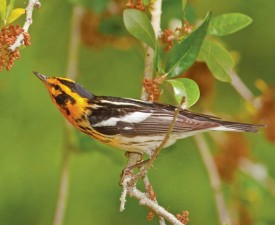
Color, music, grace, and flight mingle in the lives of most birds. But no bird, at least here in the Northeast, pulls it off like a warbler. Warblers are in a family called Parulidae, known for their…

May 27th 2011
The Overstory
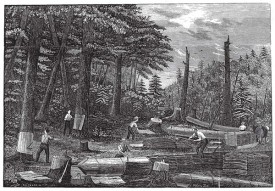
Black cherry, Prunus serotina Black cherry grows in many different situations: among white pine on abandoned farmland, with red maple on poor sites, and scattered among northern hardwoods in richer…
May 27th 2011
Hemlock and Hide: The Tanbark Industry in Old New York
Since the dawn of history, humans have made great use of leather. They’ve worn it, walked on it, sat on it, wrote on it. Turning animal skin into a durable product requires processing, and in…

May 27th 2011
Fifty Years of Maine Stumpage Prices: Trends, Surprises, and Lessons
Anyone who reads the papers knows how badly the prices of stocks, houses, and mutual funds have done since the market peaks of a few years ago. If you don’t sell stumpage very often, you may…

May 27th 2011
At Work Sheltering Herps with Christina Hazelton
There is only one place Christina Hazelton, founder of the Upper Valley Reptile Group, likes to see a red-eared slider paddling by an Eastern painted turtle: on the shelf at her organization’s…

May 27th 2011
Honeybee House Hunting
The Backstory In May 1949, shortly after the end of World War II, Martin Lindauer, a biologist at the University of Munich, happened upon a swarm of bees hanging in a bush outside the Munich…

May 27th 2011
A Man With a Mission: Mike Greason Preached the Gospel of Silviculture
A strong voice for our forests went quiet when Mike Greason died on March 8. Mike had a passion for forestry that invariably entered into any conversation with him. Sure, he had all sorts of other…