
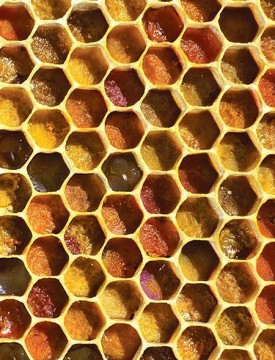
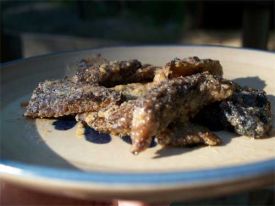
Bees tend to visit only one kind of flower on a given trip, but as you can clearly see in this honeycomb, the different colored pollen from different colored flowers gets a bit mixed up in storage.…
May 27th 2011
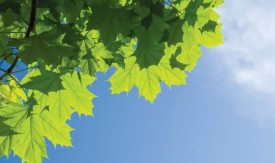
Are All Tree Leaves the Same?
Everybody knows that tree species vary in their ability to tolerate shade. It’s easy to find shady places in the woods where shade-tolerant species such as American beech and eastern hemlock…

May 27th 2011
Editor’s Note
It’s mid-May as I write this, on an evening that feels like the transition between spring and summer. Outside, the soggy air smells like dead worms and hyacinth and freshly split birch. The…

May 27th 2011
From the Center
Five years ago, we published the first edition of our Place You Call Home series: The Place You Call Home: A Guide to Caring for Your Land in the Upper Valley. The idea behind the publication was to…
Issue 69: Summer 2011 $6.00
House Hunting with Honeybees Mike Greason and the Gospel of Silviculture Trends in Maine’s Log Prices Hemlock Tanneries in Old New York Headwater Fishing, an Ode to Warblers, Battling Beech…
May 25th 2011
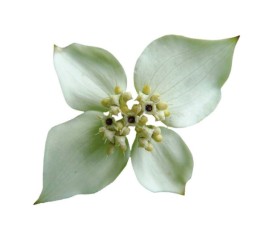
Exploding Flowers
Spring’s grace and beauty will soon be everywhere – cue the Stravinsky. Courting songbirds will rule the air, wetlands will resonate with love-mad croaking, and on the forest floor,…
May 23rd 2011
Honeybees Rely on the Dandelion Bloom
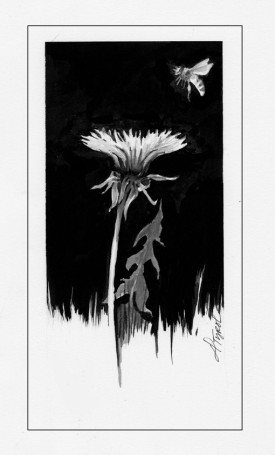
Four years ago, researchers found a statistical link between Israeli Acute Paralysis Virus and Colony Collapse Disorder in honeybees. Three years ago, researchers at Penn State University found…
May 19th 2011
Whose House is This?
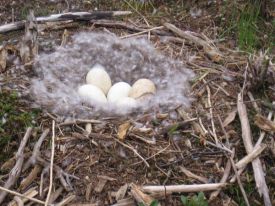
Our friend Alfred Balch submitted this picture of a nest he found recently. What kind of bird made it?
May 19th 2011
Northern Pass. Lowell Wind. Marcellus Shale. Mississippi Delta?
Before the Schwarzenegger sex scandal restored order to the media universe, national news coverage had been dominated by images and stories from the Mississippi Delta, where poor, rural communities…
May 16th 2011
Where the Wild Things Ought to Be
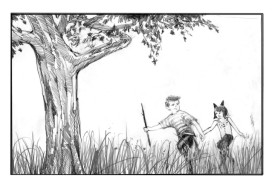
On the fourth day of spring, fifteen kindergartners rejoiced in a sunny field a few blocks from downtown Montpelier, Vermont. It was Friday, a school day, and Mrs. Koch’s morning lesson, acting…
May 12th 2011
Where Have All the Pollinators Gone?
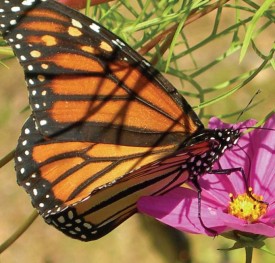
Pollinators make the world go ’round, but according to a recent report by the National Academy of Sciences, their populations are in rapid decline. Shrinking numbers of insects, bats, birds, and…

May 11th 2011
Lead Levels Settling Down
Lead that for decades accumulated in the duff layer of the forest floor in the Northeast is finally disappearing deep into the soil in low-elevation forests, though the process is taking a bit longer…
May 10th 2011
Lights, Action!
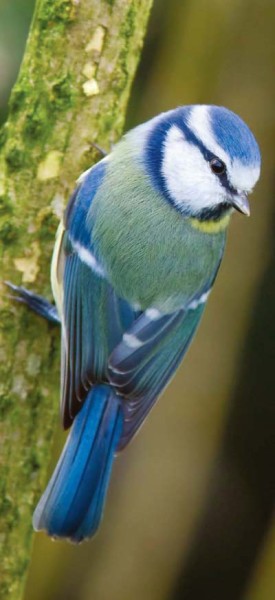
While toxins and noise are often cited for their detrimental effects on wildlife, recent research suggests that light pollution is negatively affecting forest-breeding wildlife as well. “In…
May 10th 2011
The Pine Tea State
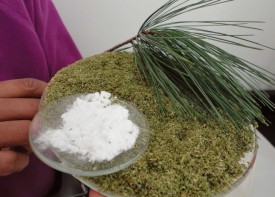
If Ray Fort has his way, the next time you get the flu, the cure might just come from the needles of a New England pine tree. Fort, a chemistry professor at the University of Maine, has found that…
May 9th 2011
An Abenaki Spring Harvest
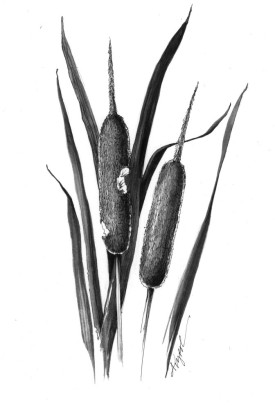
At the waning of Sogalikas, the “sugarmaker” moon, the traditional Abenaki season for gathering wild edible and medicinal plants begins. Abenaki culture has been handed down to the present…
May 5th 2011
Peace in a Time of War
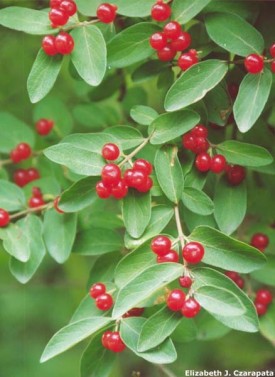
Editor’s Note: This week’s blog features the musings of founding editor Ginny Barlow. I was on a lovely walk with Chris last fall, just meandering around on a sunny day, crisp leaves,…
May 2nd 2011
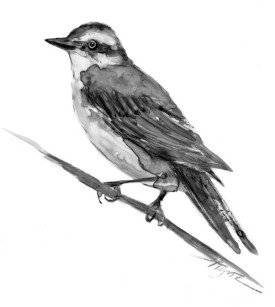
An Unnoticed, Little-known, and Disappearing Songbird
Among the noisy throngs of blackbirds that are the earliest harbingers of spring in the Northeast, the rusty blackbird often escapes notice. Few birders encounter this enigmatic songbird during the…
April 26th 2011
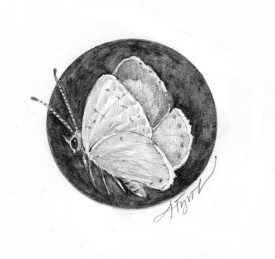
Horton Hears a What?
I remember being fascinated by the Dr. Seuss book Horton Hears a Who as a child. It made me wonder: could each of those specks of dust dancing in the light shafts from my bedroom window be its own…
April 25th 2011
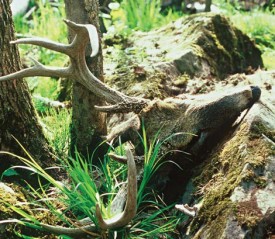
Marrow Core Analysis
Thirty years ago, I discovered the carcass of a handsome buck draped awkwardly over sharp-edged rocks. It was May and the grip of winter had loosened. Bright new leaves framed the buck’s face,…