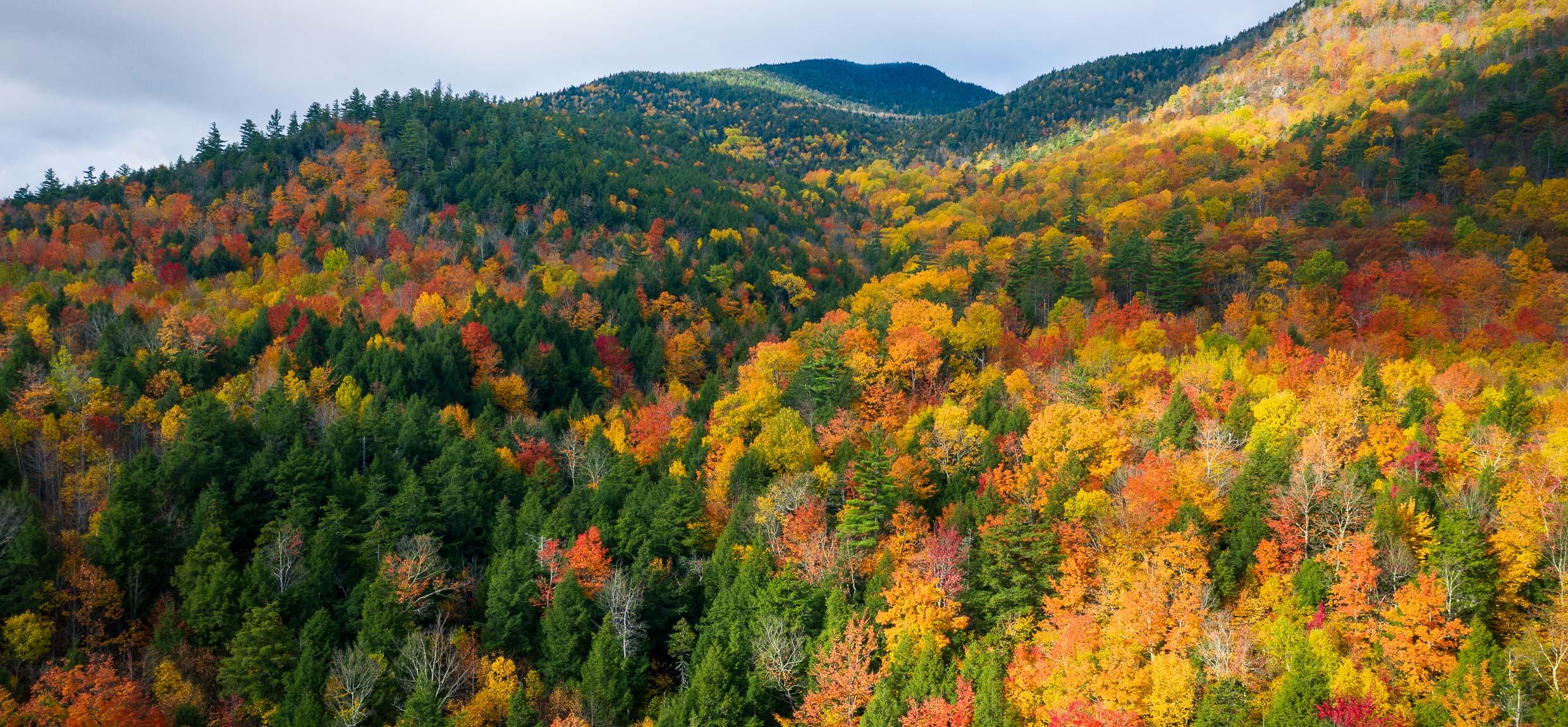

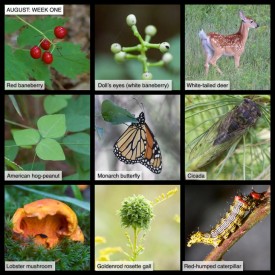
This Week in the Woods, we’ve noticed more berries ripening, including red baneberry and its creepy cousin, doll’s eyes (white baneberry) which as its common name suggests, takes the form…
August 1st 2020
Meadow Research to Boost Pollinators
Lately, citizen scientists, gardeners, and outdoor enthusiasts of all types have become increasingly concerned with recorded declines in pollinating insect populations. From the Pollinator Pathway…
August 1st 2020
Axes and American Ingenuity
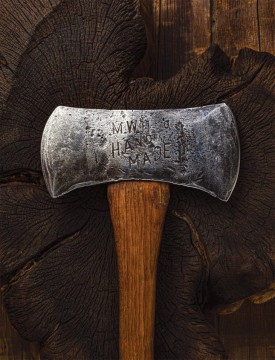
The American landscape has been altered more by the axe than by any other tool. It is estimated that more than 300 million acres of timber were cut prior to the advent of the chainsaw in the mid…
August 1st 2020
Interview with Poet & Environmental Writer Sean Prentiss
In the Summer 2020 issue, we feature two poems from Norwich University professor Sean Prentiss’ debut book of poetry, Crosscut. Here, Prentiss reflects on hand tools, the gifts and inspirations…

July 27th 2020
Exploring a Swamp
There was a sucking sound as my rubber boot sank into the deep black muck. Naturalist Jon Binhammer and I were standing in the middle of a hardwood swamp in central Vermont. Above us, dainty red…
July 27th 2020
Fifth Week of July
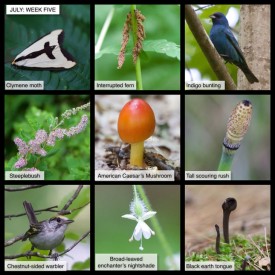
This Week in the Woods, we’ve had several encounters with clymene moths. According to the National Wildlife Federation’s Field Guide to Insects and Spiders of North America, this species…
July 23rd 2020
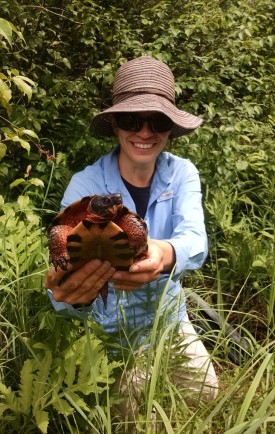
Lisabeth Willey Works for the Turtles
For Lisabeth Willey, it was turtle love at first sight, and she’s had a lifelong love affair with shelled reptiles. A conservation biologist and a professor at Antioch University New England,…
July 23rd 2020
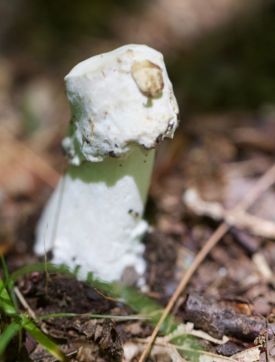
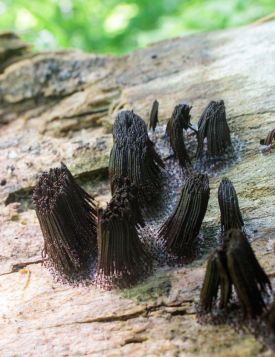
Mushroom Mystery
We found this odd structure growing next to several Amanita mushrooms. What made it?
July 20th 2020
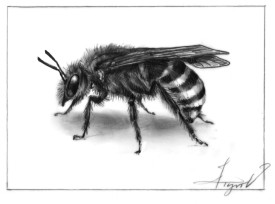
Sweat Bees: Diminutive and Diverse
As you swat away blackflies this summer, look closely; it may be that not all those flies are flies. Some of them might be tiny sweat bees, members of the Halictidae family, which gets its common name…

July 20th 2020
Fourth Week of July
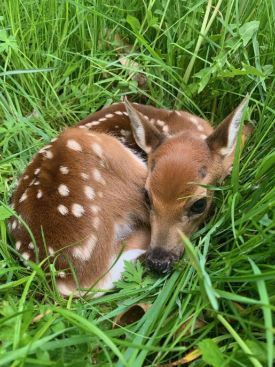
This week in the woods, we’ve had several close encounters with red-eyed vireo fledglings and adults. Common summer residents of deciduous woodlands, red-eyed vireos are hard to see but easy to…
July 15th 2020
June 2020 - Part Two
We had so many submissions for June, that we opted to publish two galleries. Thank you to everyone who submitted images. Your June photos showed an abundance of young life, and broad summer…

July 13th 2020
Third Week of July
This week in the woods, we stumbled upon this clown-faced caterpillar, which we had difficulty identifying. The linden prominent is common but hard to find; it clings to the undersides of American…
July 13th 2020
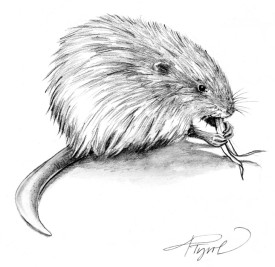
Muskrats: Swimming Through Summer
We were touring the neighborhood backroads one summer evening when the kids noticed a sleek movement through a small pond. At first, we thought it was a beaver, but its smaller size and – once…
July 9th 2020
June 2020 - Part One
We had so many submissions for June that we opted to publish two galleries. Thank you to everyone who submitted images. Your photos showed an abundance of young life and broad summer…

July 8th 2020
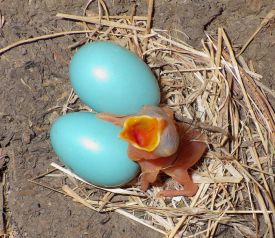
A Bird’s-eye View with Bob Keller
Bob Keller is a pilot with LightHawk, a non-profit that connects volunteer pilots with conservation organizations and uses aviation to enhance on-the-ground conservation work. Since 1994, Keller has…
July 6th 2020
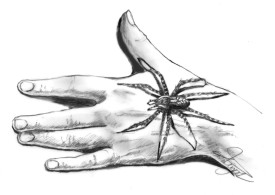
Fascinating Fishing Spiders
Large fishing spiders walking on water can be fascinating – or terrifyingly unnerving. The latter reaction is common among Saint Michael's College students as we sample Vermont’s…
July 6th 2020
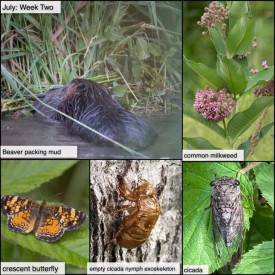
Second Week of July
This week in the woods, the recent combination of rain and heat has produced a bumper crop of mushrooms and other fungal forms, including crown-tipped coral. This common, easy-to-identify fungus grows…

July 1st 2020
The Resilient Forest Series
The Resilient Forest Series combines articles, films, and audio stories to explore the relationships and traditions that have helped keep northeastern forests intact. This series also considers how…
July 1st 2020
Call of the Nightjar
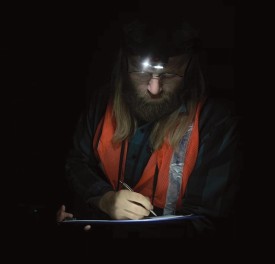
I was 22 and volunteering with an amphibian monitoring project that summer. Standing along a roadway in the woods of Sumner, Maine – armed with a clipboard and a headlamp – I strained my…