
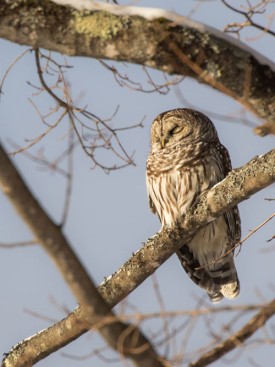
This winter, a barred owl has been loitering around my house. My husband arbitrarily declared it a male (there’s no easy way to sex an owl) and we dubbed him Squinty McBold. “Bold”…
February 5th 2015
The Case for Snow
Trees sequester carbon from the atmosphere and play a key role in mitigating the effects of climate change. But a study by researchers at Dartmouth College found that from a climate perspective,…
February 2nd 2015
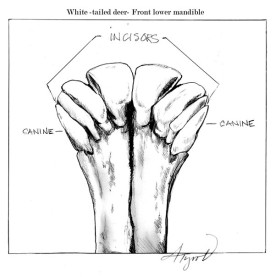
For Deer Herd Data, States Count on Hunters
The measure of a successful hunt depends on whom you ask; hunters are often biased by individual success or failure, whereas biologists take a detached, big-picture view. But this much is true: one of…
January 29th 2015
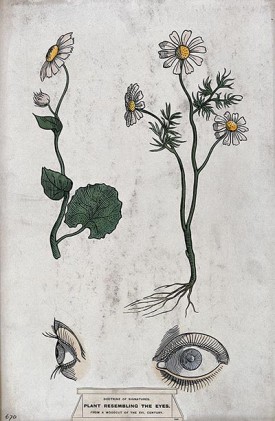
That Signature Look: An Introduction to the Doctrine of Signatures
Looking closely at plants, we can learn a lot – about local habitat, climate, hydrology, wildlife, and soils. For example, succulent leaves indicate that a plant may thrive in sandy soil or…
January 26th 2015
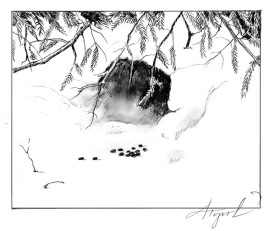
Snowshoe Hares in Winter
For the past 14 years, my Winter Ecology students and I have spent a lot of time outdoors, studying the preferred habitat features and winter foods of snowshoe hares. We’re likely to find hare…
January 23rd 2015
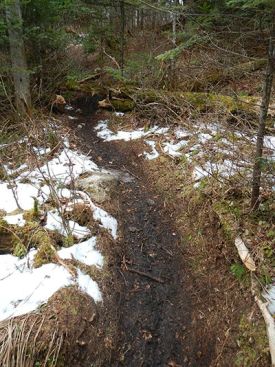
No Hikers Here
Richard Carbonetti sent us a series of these photos from the Northeast Kingdom. It isn’t a hiking trail; what is it?
January 22nd 2015
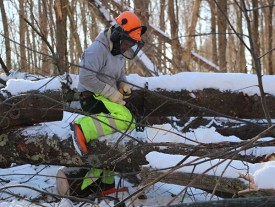
A Glorious January Day
If you were to describe deep, January cold to someone who’d never experienced it before, you might point out that you can hear it. Get below zero and the snow starts to squeak under foot. Your…
January 19th 2015
Field Work: At Work Mining Timber with Tom Shafer
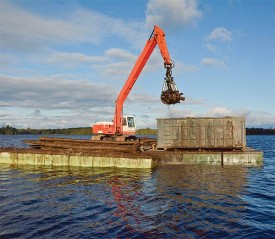
Tom Shafer’s business is mining trees. It’s not really harvesting; maybe re-harvesting. “Recovering a forgotten forest” is his company motto. He likes to think of it as mining.…
January 19th 2015
Blobs on Ice: Jelly Fungi Add Color to Winter Landscape
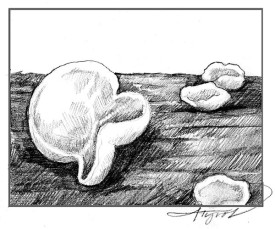
They look like blobs of shiny tar, a melted lollipop, or a crayon left in the sun too long. They come in vivid colors from orange to yellow to white to black to pinkish. They have a disconcerting…
January 13th 2015
Birds in Focus: Fusion Foods
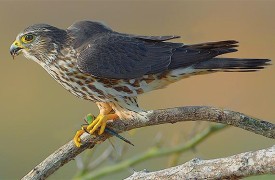
On a crisp, sunny day in September, at the end of what was probably a typical summer for a dragonfly (lots of flying around, killing things, and mating beside a pond), a common green darner took off…
January 13th 2015
Photo Gallery Terms and Conditions
The Center for Northern Woodlands Education (Northern Woodlands) intends to archive reader photos on its website, and may use these images for other purposes in the future. To that end, we want to be…
January 12th 2015
Red Squirrels: Keep Your Mitts off My Midden!
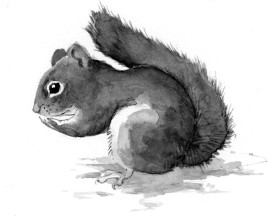
In the woods behind our house, there’s a pile of cones and gnawed apart bracts – easily two feet deep and twice as wide – built against the trunk of a tall hemlock. We’ve…
January 9th 2015
Northern Woodlands Shop
Browse a selection of woodlands-related items in our online shop. You can order online, mail in your order with your payment to: Northern Woodlands, PO Box 270, Lyme, New Hampshire 03768, or call…
January 9th 2015
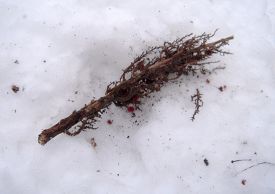
Stumper on Snow
This item was seen on the snow at the edge of an old field. What is it?
January 8th 2015
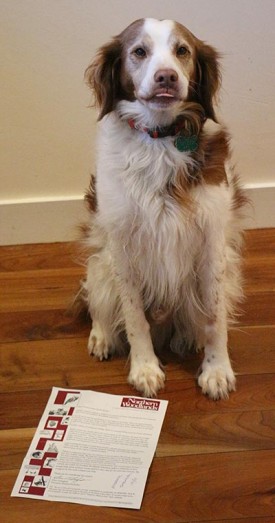
Quiz Winners Announced
Editors Dave Mance and Patrick White are holed up in their offices this week, working away on final drafts for the Northern Woodlands spring issue. So now seemed a good time to stage a blog coup, and…

January 7th 2015
The Cold Can Only Do So Much
According to the Northeast Regional Climate Center at Cornell University, last winter was among the top five coldest on record in Ithaca, New York, when you consider the number of days the temperature…
January 7th 2015
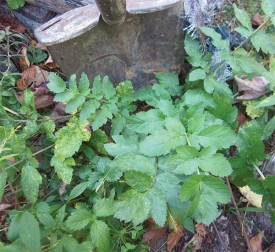
Wild Parsnips: A Lesson in Safe Harvesting
Yes, foraging can be risky. But most people approach wild foods with unnecessary caution. Foragers are often the subject of anxious looks even when nibbling wild plants that are no more dangerous or…
January 5th 2015
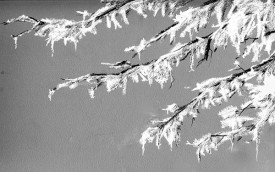
Trees and Ice
Ice storm. If you live in northern New England, those words can send a chill up your spine. They portend demolition derbies on the roads, power outages and the ominous cracking sound of limbs breaking…
December 30th 2014
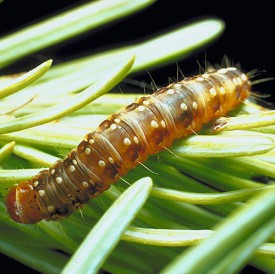
Caterpillar Clash: The Budworm Returns
In the spring of 1976, Bangor, Maine, was preparing for war. Douglas C-54 Skymasters, the same four-engine behemoths used during the Berlin Airlift, sat wing-tip to wingtip on the tarmac of the small…
December 29th 2014
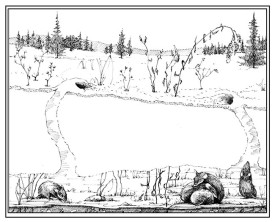
The Subnivean Zone: Shelter in the Snow
Every animal must develop its own way of dealing with winter. Migrate, hibernate, or insulate; these are common strategies. For a few small mammals, survival depends on the snow itself, and the…