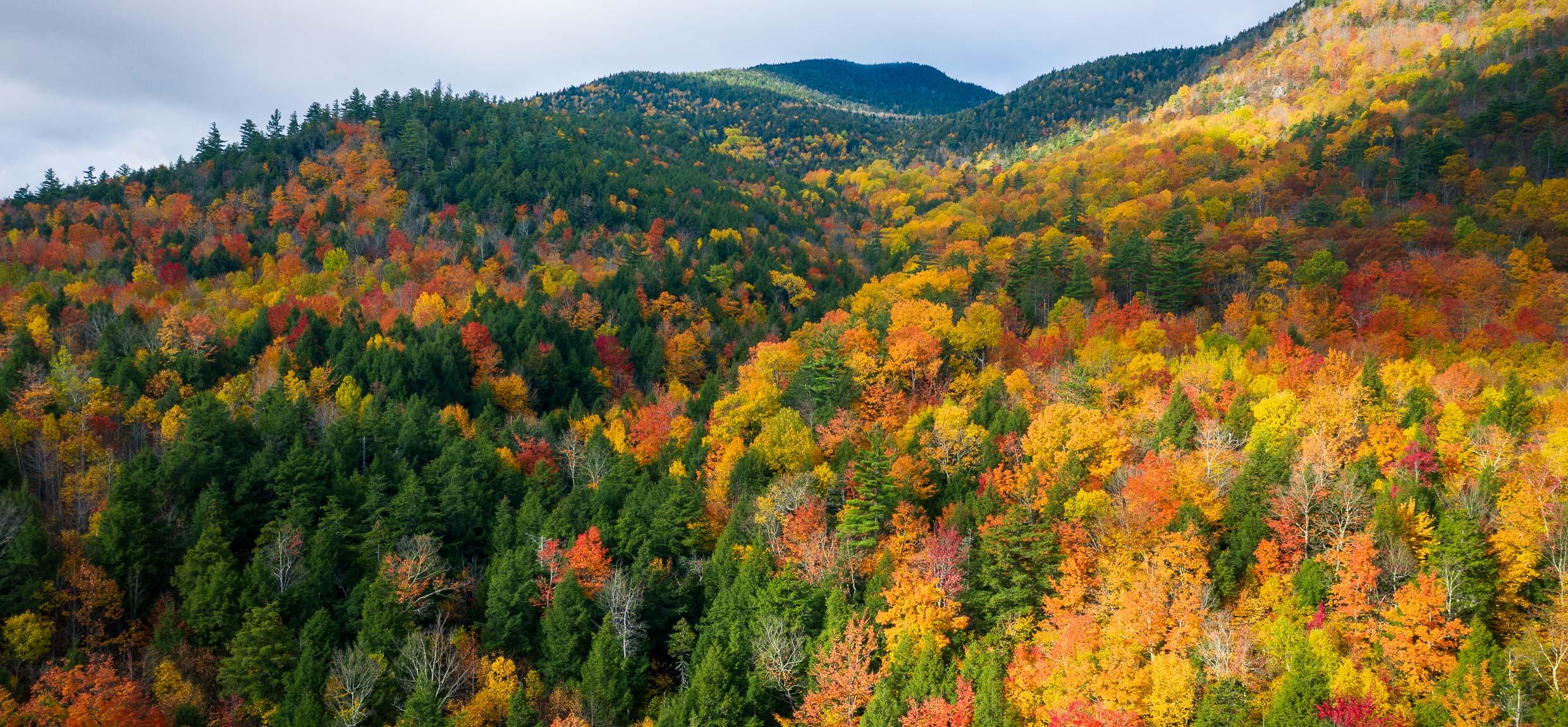

You can’t shake a stick in New England these days without hitting someone in the energy field who wants to talk biomass. But what exactly is biomass? And is it a green source of energy?…


June 9th 2010
Weird Design
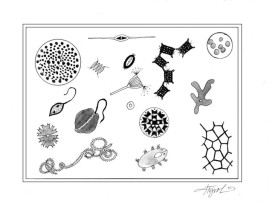
Reader Susan Elliot took this picture at the Craftsbury Outdoor Center this past weekend while attending the 115th Annual Meeting of the Vermont Botanical and Bird Club. What is it?

June 9th 2010
White Pine Needle Damage
Do you remember how wet it was last summer, and how we were all wondering about the affect of the rain on the forest? (If not, refresh your memory with this 2009 blog, where we ponder the unusually…
June 3rd 2010
Puddles Ooze With Mud and Life
City dwellers and puddles don’t mix; we country folk are more tolerant. In wet weather we drive through one muddy morass after the next, uttering unprintable words, yet few of us would exchange…
Issue 65: Summer 2010 $6.00
Old-Fashioned Bee Lining Tending a Woodland Garden Income Sources from Your Forestland Which Caterpillar Becomes Which Butterfly? Climbing Bears, Chainsaw Gas Controversy, a $1,600 Maple Tree, and…
June 1st 2010
A Place in Mind
My son Seth and I have a tradition. Each summer, we choose a different mountain and a campground near it, pack our gear into my subcompact car, and set off on a father-son adventure. Two summers ago,…
June 1st 2010
Mill Prices
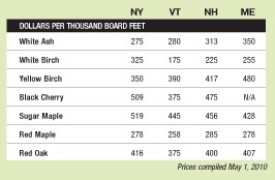
These prices are for #1 hardwood logs, at least 8 feet long, with three clear faces and a minimum 12-inch top diameter. In the timber world, this is a log of average quality, not a prime sawlog and…
June 1st 2010
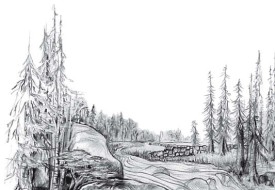
The Outdoor Palette
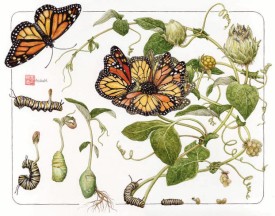
The primary goal of natural history illustration is scientific accuracy. Since the work is used to educate, it must portray a species with precision and a high level of detail. If it’s…
June 1st 2010
A Navigational Muddle
Mainers like to brag about our lakes and ponds and rivers and streams, and with good reason. We have lots of all of them, and I haven’t met any I didn’t like. Granted, some of our waters…
June 1st 2010
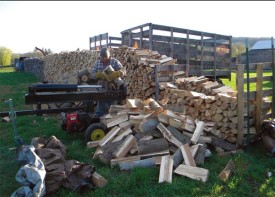
Tricks of the Trade
Did you know that a chunk of green firewood can be over 50 percent water? Of course you did. You’ve tried to burn that wood, and it was no more combustible than celery. So now you season your…

June 1st 2010
Tracking Tips: Bear Tracks on Trees
Black bears are built to climb. Their prodigious upper body strength, coupled with a unique skeletal adaptation, enables bears to scurry squirrel-like up tall trees in seconds. The ursid shoulder…
June 1st 2010
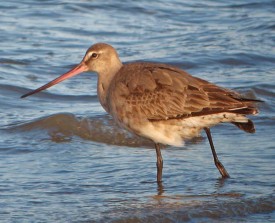
Shorebirds
Across great distances they migrate, powered on a diet of arthropods and a blast of determination. When they stop to visit, they are among the most watchable of all wildlife, feeding and mating in…
June 1st 2010
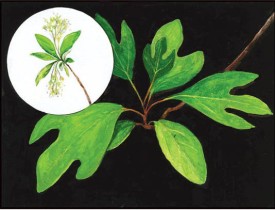
Sassafras
My early knowledge of sassafras brings to mind the legendary blind men describing an elephant. One man touches the tail, another the flank, another the tusk, and in the end, there’s no agreement…
June 1st 2010
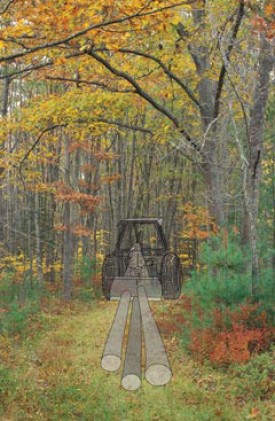
Earning Its Keep: Finding Sources of Income from Your Land
There was a time when people who lived in rural areas and owned acreage made their living from the land. Subsistence living was neither an alternative lifestyle nor a quaint anachronism. It was what…
June 1st 2010
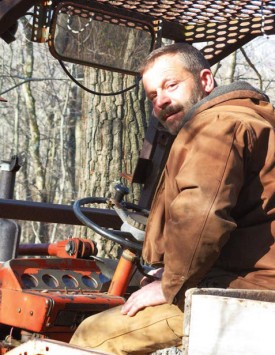
At Work with Bob Haines
Connecticut forester, logger, and all-around woodskeeper Bob Haines abides by two principles: waste not, want not; and take the time to do it right. Haines has an aura of calm thoughtfulness. His…
June 1st 2010
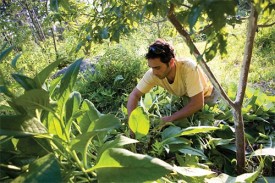
Wild Farms: Woodland Gardening in the 21st Century
In the spring of 1780, Jonathan Carpenter and his cousin set out from their home in southern Massachusetts to start a new life in Pomfret, Vermont. On May 13, they bought 100 acres of land, and two…
June 1st 2010
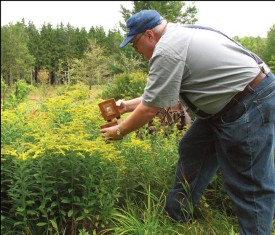
Bee Lining: The Oldtimers’ Way to Find Wild Beehives
Honeybees have been domesticated for millennia, but they don’t always rely on the housing beekeepers provide them in exchange for harvesting their honey. Honeybees remain wild enough to survive…
June 1st 2010
The Ballad of the Golden Maple
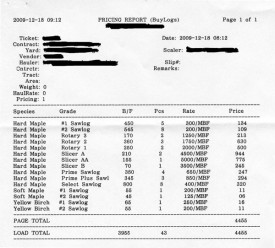
In December, 2009, a few days after we published a story in our winter issue about wood industry woes and low mill prices, a logger in northern New England fired up his chainsaw and cut down a nice…

June 1st 2010
1,000 Words
Photographer Jim Block photographed this blue-gray gnatcatcher in Lebanon, New Hampshire, as the bird was collecting tent caterpillar silk to use for her nest. While the gnatcatcher is a common bird,…
June 1st 2010
What is Shade Tolerance and Why is it so Important?
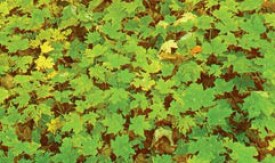
Shade tolerance is the relative capacity of tree species to compete for survival under shaded (which is to say, less-than-optimal) conditions. It is a tree trait, a functional adaptation that varies…