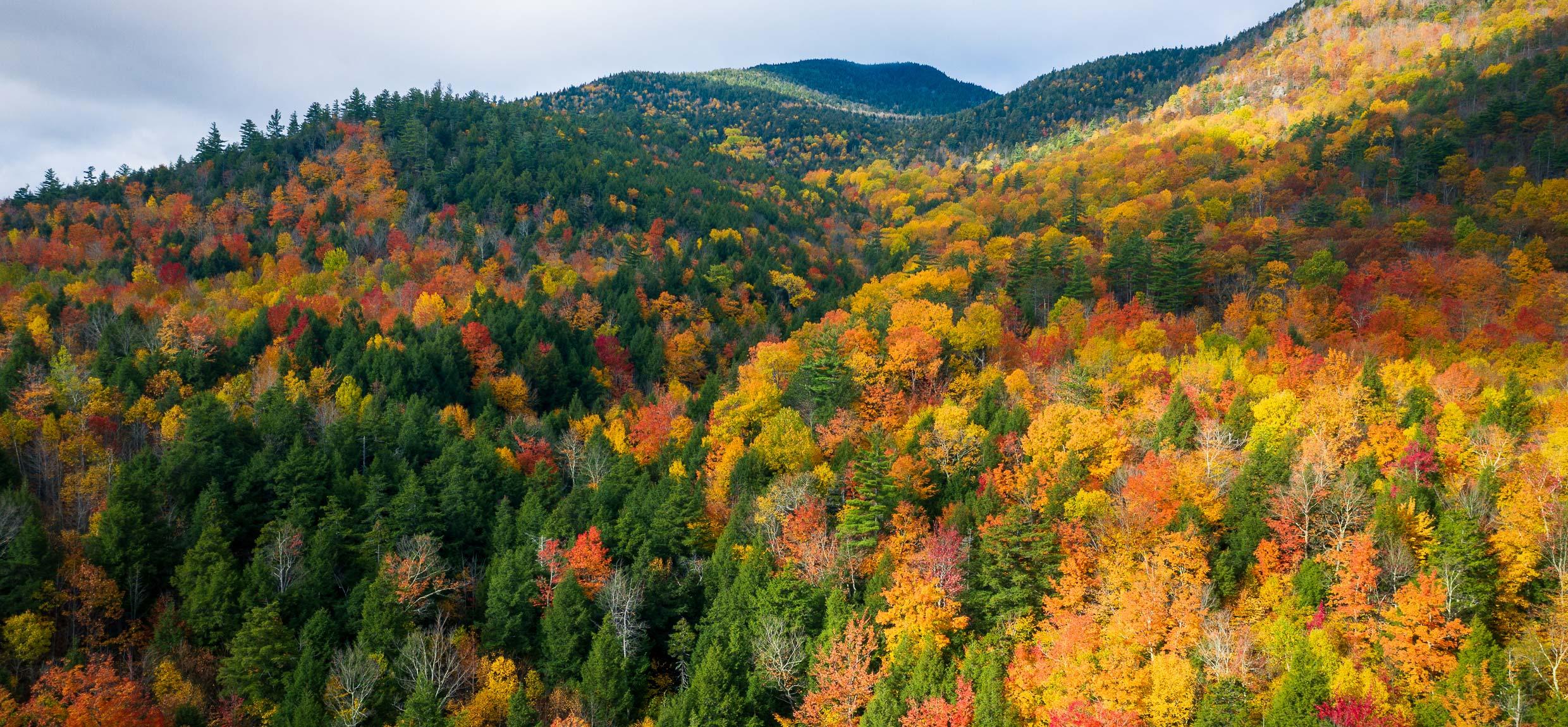

We gathered these seeds from members of the maple family. Clockwise from top, what species are they?
September 9th 2011
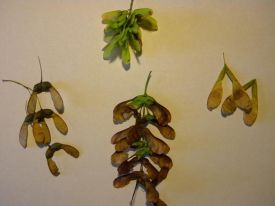
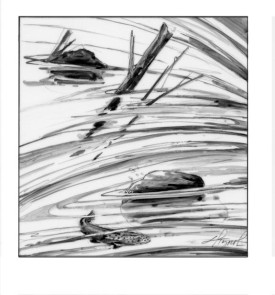
How Could a Fish Survive That?
There were times, during Tropical Storm Irene, when the rivers in Vermont and New Hampshire seemed to be made out of something other than water. Whatever it was was viscous and liquid, sure, but that…
September 9th 2011
The Decomposing Tribe
I was in the woods recently with a mycologist and he mentioned that whenever he is out with people looking for mushrooms, the only question anyone ever asks is “Is it edible?” One time a…

August 29th 2011
Climate Modeling is Like a Roll of the Dice
A number of years ago, when I was working in a New Hampshire mountain hut, a man walked in from the rain and saw a piece of paper thumb-tacked to the wall with the day’s weather forecast on it.…
August 29th 2011
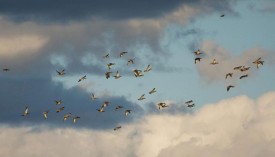
Ducks, Beautiful Ducks: A Portfolio of Pintails, Woodies, and Butterballs
The beat changed more, and now they flew striking all together, so that their wings sung in unison as they went over his head. He stood stock still watching them, and long after they had passed down…
August 26th 2011
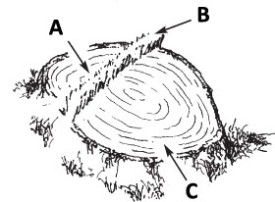
Bore Cutting Basics
To fell trees accurately and safely, you need to know how to do a bore cut, sometimes known as a plunge cut. On trees with forward lean, the traditional “race to the hinge” backcut will…
August 26th 2011
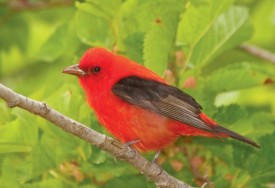
Choosing Binoculars
It is a monumental decision in the life of any birdwatcher. At stake is nothing less than the pleasure you get in the company of birds. So here is some advice on buying and using binoculars. First,…
August 26th 2011
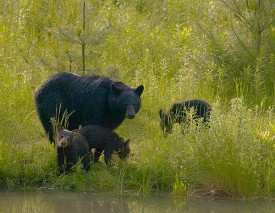
Counting Bears
Biologists monitor the vitality of the “living symbol of the Maine woods.” The past two days have been disappointing for state bear biologists, and today is shaping up no differently.…
August 26th 2011
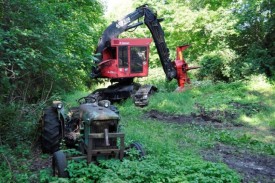
Three Logging Systems: Matching Equipment to the Job
Dick Lewis, of Chester, New Hampshire, has been logging since he was a teenager in the late 1950s. He started with horses and then a farm tractor, each of them pulling a scoot, a rugged sled that kept…
August 26th 2011
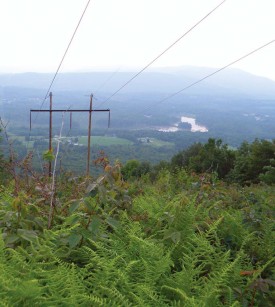
Powerlines as Habitat
Significant powerline projects are in the works throughout northern New England and New York, as the grid is updated to accommodate more power from Quebec. In the pages of the local papers, residents…
August 26th 2011
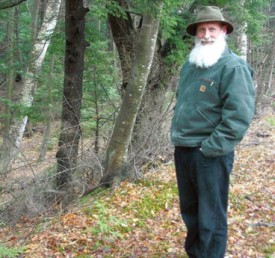
At Work Reading Landscapes with Ecologist and Teacher Tom Wessels
It’s a still, misty afternoon in Westminster, Vermont, and low-angled sun rays are piercing the water droplets, making everything seem preternaturally bright. Tom Wessels pulls on his boots in…
August 26th 2011
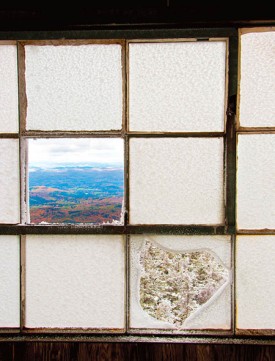
1,000 Words
October 14, 2009. Jim Block captured the transition from autumn to winter from the fire tower atop Smarts Mountain in Lyme, New Hampshire.
August 26th 2011
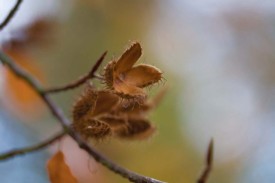
Do Stressed Trees Produce More Seeds?
Even those who say they don’t know the first thing about trees are likely to appreciate the fact that giant trees emerge from tiny seeds. Really, what sort of grump doesn’t smile at the…
August 26th 2011
How Manomet Got it Backwards
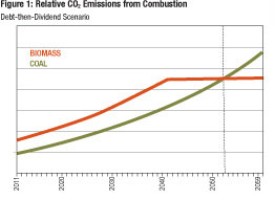
In 2010, the Manomet Center for Conservation Sciences conducted a study for the Commonwealth of Massachusetts to examine the greenhouse gas implications of using woody biomass for energy.…

August 26th 2011
Editor’s Note
I took a kid fishing recently. A friend’s kid – a ten-year-old boy who didn’t grow up rural. We cast rooster tails and panther martins into a tea-colored lake that sat up on the…

August 26th 2011
From the Center
The shock of crimson from a red maple growing at the edge of a wetland, the spying of a kettle of broadwings flying south, the evocative sound of a katydid suggesting that a return to school is…
August 26th 2011
Want to see an EAB trap up close?
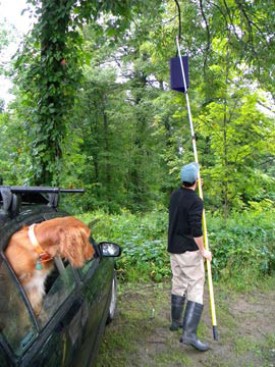
If you’ve done any traveling around New York or New England this summer, you’ve probably come across one of the purple emerald ash borer traps that are hanging from ash trees along…
August 25th 2011
Floral Forest Mystery
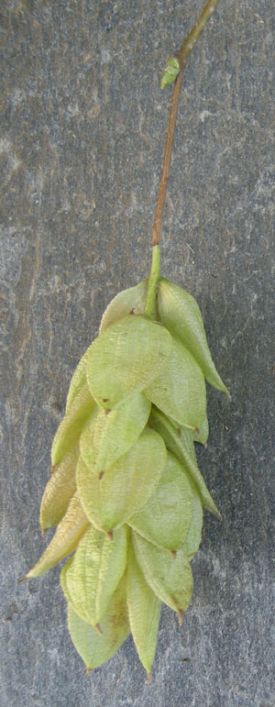
Some trees continue to "flower" throughout the summer – like this one. What kind of tree produced this "flower?"

August 24th 2011
Seasonally Affected Dating Disorder
It appears that Sadie Hawkins Day has made its way into the butterfly world. Or, more likely, the sex role reversal when women ask men out for a date got its start with insects and only recently…

August 24th 2011
Trees: Now With Thirty Percent More Absorption!
While it has long been known that plants absorb carbon dioxide for use in photosynthesis, a new study has found that plants play a larger role than previously thought in absorbing certain types of air…