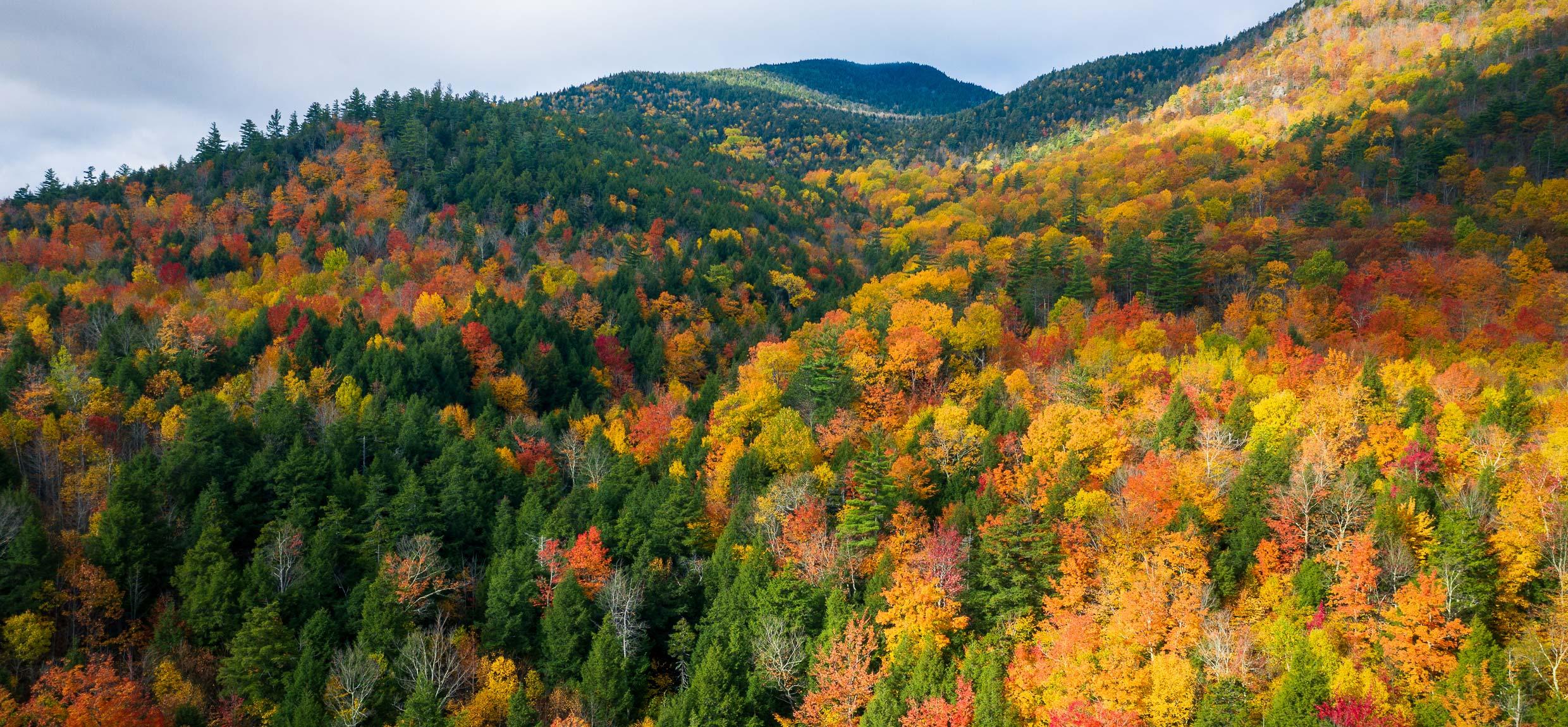

Early May is a gut-wrenching time for those of us who love ash. The trees take their time leafing out, appearing stone-cold dead for weeks after the maples have flowered and put on their fine show.…

May 12th 2010
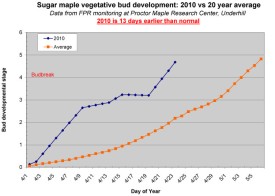
Spring Came 13 Days Early
Have things seemed early to you this year? Early buds? Early peepers? Early trips to the drugstore to buy Claritin? Turns out your hunch is accurate, at least about the buds and the Claritin. Tom…

May 12th 2010
Mystery Den
Many mammals, including opossums, red foxes, woodchucks, raccoons, skunks, and cottontail rabbits, use holes for den sites, sometimes simultaneously. This particular hole is only being used by one…
May 6th 2010
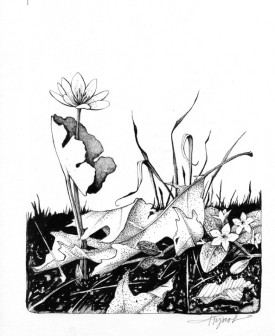
Spring Wildflowers: Fleeting Flashes of Color
Spring wildflowers live hurried lives. They push out of the ground as soon as it begins to thaw, or soon afterwards, and then some of them disappear for the year – shrinking back into their…
April 29th 2010
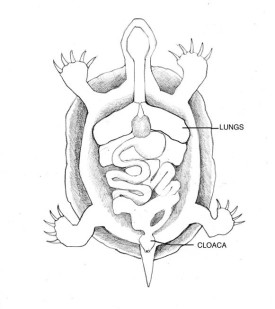
Turtles Coming Up For a Breath of Fresh Air
With April turning to May, Vermont and New Hampshire turtles are getting ready for the summer ahead as they begin to appear at the surface of ponds. After spending the long winter hibernating in…

April 28th 2010
Spring Flower
We’re going to purposely ignore the fact that there’s fresh snow on the ground at the moment and offer up a more hopeful look at the forest floor. What kind of flower is this?
April 28th 2010
Maple Slugs It Out With Ash
It’s not often that we’re presented with an editorial angle that lets us segue into the world of sports, but the rising furor over maple bats in baseball presents just such an opportunity.…

April 22nd 2010
Darwin Only Knew Half the Story on Earthworms
Charles Darwin was fascinated by earthworms. In the 19th century most people thought worms were pests. But Darwin believed they provided an important yet unrecognized agricultural service: they slowly…
April 15th 2010
‘Late Blight II’ - The Sequel
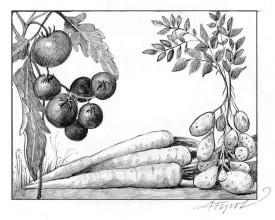
For vegetable lovers in New Hampshire and Vermont, there’s a nightmare scenario making the rounds right now. It goes something like this. Last spring, somewhere in the twin states, someone…
April 14th 2010
Autumn Olive
I’ve put in my time in the invasives war: digging wild chervil, clipping buckthorn, hacking at Japanese knotweed. I’ve been reasonably relentless, and many times have pointed out these bad…

April 14th 2010
Unidentified Paw
As our resident tracking expert Sue Morse is fond of pointing out, feet make tracks! What kind of paw are we looking at here?

April 8th 2010
Woodpeckers Give People Headaches, But Not Themselves
Spring having arrived, people can expect to be jolted from their early morning sleep by an outrageous burst of hammering on the side of the house. Their rude awakening is not the work of some…
April 1st 2010
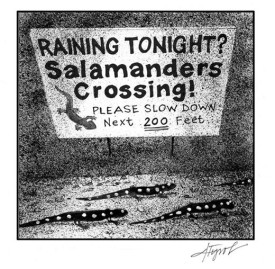
Migrators, Close and Afar, Spring Forward With New Season
Early April is an unpredictable month in the North Country, a time for back-and-forth tag between the remnants of winter chill and spring warmth. Yet within the unpredictability there is certainty.…
March 31st 2010
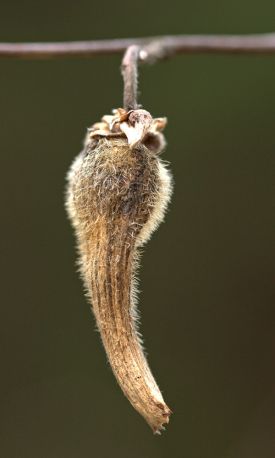
Spring Mystery
Our friend Bryan Pfeiffer submitted this intriguing picture. OK, botanists, what is it?
March 31st 2010
Psoriasis of Spring
Unlike cartoon springtime, which is lush and instant – a character in a doorway rubbing his eyes while flowers unfurl and bluebirds sing – real life springtime is reserved, somber, even…
March 25th 2010
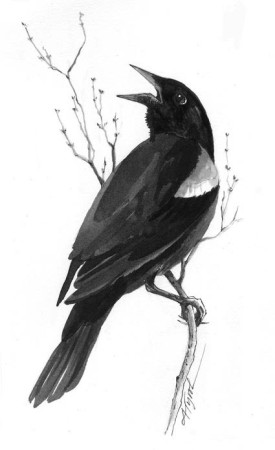
Redwings Are Back, Staking Out Territory
Early spring in this part of the world is a rugged season, a time when snow banks crumble, back roads become mud holes, and steam begins to issue from sugarhouses. Mud and maple syrup go together for…
March 18th 2010
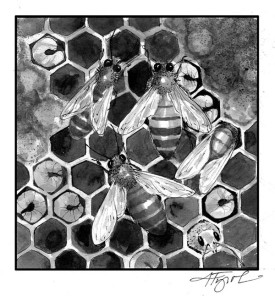
The Early Buzz on Honeybees
For some, spring begins with the flow of maple sap, or maybe the arrival of robins or redwing blackbirds. For inveterate gardeners the new season never really starts until the soil can be turned. The…
March 17th 2010
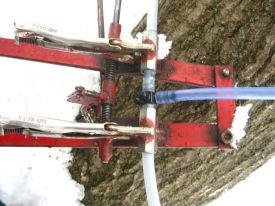
Woods Tool
This tool was found recently leaning up against a tree in a forest. What’s it used for?
March 17th 2010
Why Sap Runs
The act of tapping a tree can be a mystical experience. The tree, so often just a drab giant in the landscape, a taken-for-granted piece of architecture, little different than a house or a fence, is…
March 11th 2010
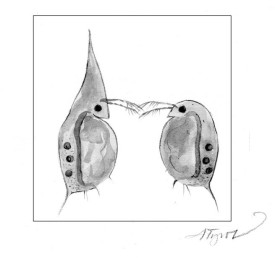
Daphnia’s Changing Shape Stirs a Debate
Winter’s effect on animals isn’t always noticeable. Often, it’s because they’ve flown south, are hibernating, or are hunkered down, having reduced their activity to cope with…