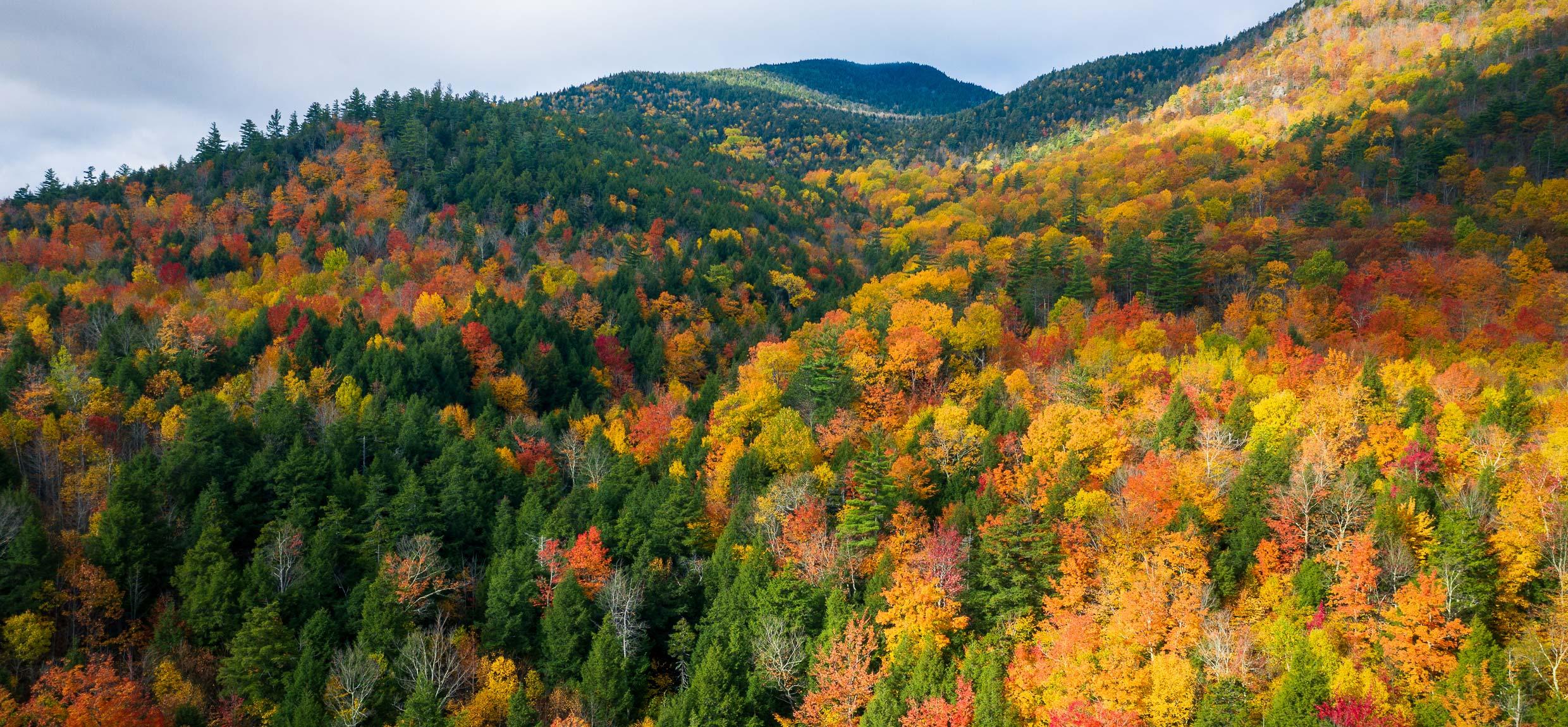

At a recent foresters’ conference, I was discussing with a friend a report we’d heard on the future of Maine’s forest products industry. He noted that, while the volume of wood…
June 1st 2005
Protecting Forest Roads
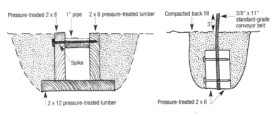
The woods road’s worst enemy is water. It makes travel difficult, and if it’s not diverted, rainwater can wash away a road surface in a single summer storm. You can avoid problems like…
May 29th 2005
It’s Wild Chervil Season
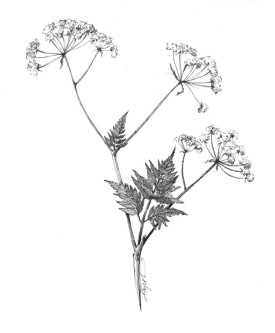
Victoria Weber of Bethel, Vermont, would like to add a season to our calendar. It would start after mud season and end before summer; in other words, from April to mid-June. She calls it…
May 22nd 2005
Nature’s Other Silk: Spider Webs
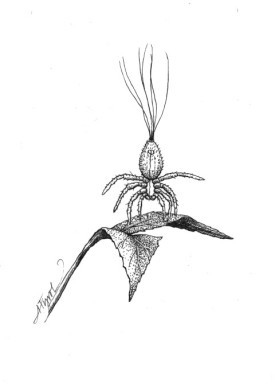
Even if we shun the leggy creatures that make them, we marvel at the geometric precision and dew-frosted beauty of spider webs. There is nothing so elegant, so versatile, and so perfectly suited to…
May 15th 2005
Gypsies in our Woods
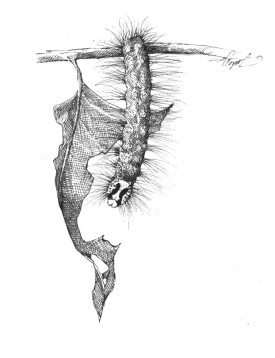
As a kid, I loved riding my bike endlessly around our Connecticut driveway, looping under an almost mythically giant maple. But one spring, my joyrides were tainted by hundreds of caterpillars hanging…
May 8th 2005
There Are Fewer Birds in the Forest. But Why?
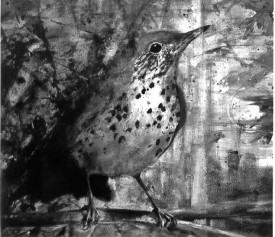
Since the 1960s, the overall number of birds in at least one of our local forests has been declining. Not the number of species, but the total number of birds. This observation comes from long-term…
May 1st 2005
Roads Affect Female Turtles More
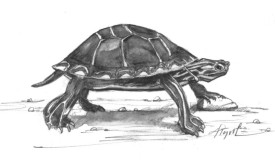
The turtle was lying on the white line marking the road edge as I pulled my car over to move it. It was a small painted turtle, and its shell had a deep crack across it. She was taking her last…

April 24th 2005
Peregrines are back, but not home free
I was transported back to 1977 the other day, when I flipped to the peregrine falcon page in an old field guide. I saw that the bird’s range at that time was funneled down from widespread in…

April 17th 2005
Trout Lily, Fleeting Flower of Spring
By early June, when the growing season seems to be just getting up to speed, some of our most beautiful woodland wildflowers will have already come and gone. To find any sign of trout lily, spring…

April 10th 2005
The Sea Lamprey: Not Necessarily a Villain!
Sea lamprey have been called the least-understood fish of the Connecticut River. Their very appearance can be startling: long, skinny, and eel-like, with a round mouth and no obvious gills. Their…

April 3rd 2005
Beyond the Pussy Willow
Soon after moving to Vermont 25 years ago, I began to hear a common lament, delivered with a slow shake of the head and a sigh of Yankee resignation. “There’s no springtime here. We go…

March 27th 2005
There Goes Peter Cottontail
The first Easter bunnies around here were probably New England cottontails, a unique species found only in New England. They look so much like the more widespread eastern cottontail that trained…
March 20th 2005
Red Maple Gets a Helping Hand
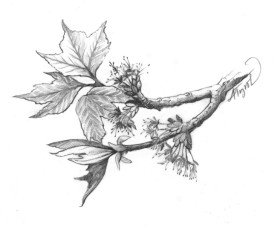
In every season, there is something red about red maple. Its beautiful flowers, most often red but occasionally yellow, are among the earliest glories of spring. Even the unfurling leaves are red as…
March 13th 2005
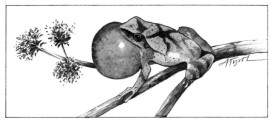
Spring Peepers, Winter Sleepers
In the realm of nature, mysteries often unfold beyond the limits of our perception. Not so with spring peepers. Stand at the edge of any wetland when peepers have reached full voice, and you will be…
March 6th 2005
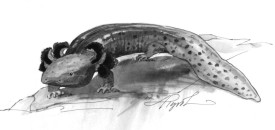
The Great Mudpuppy Mystery
What are we to make of the Connecticut River mudpuppies? And what is a mudpuppy, anyway? It is not a dirty dog. It’s not a canine of any sort. It is a salamander, and a big, ugly salamander at…
March 6th 2005
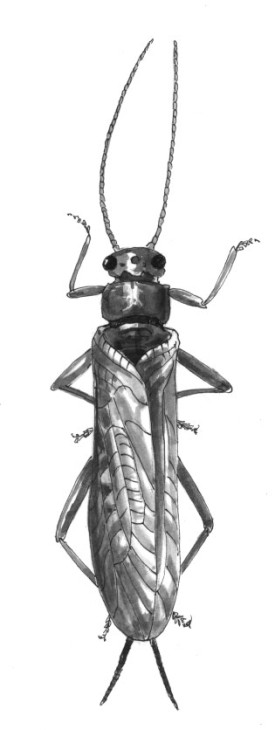
Winter’s Bug Season
In one form or another – eggs, larvae, pupae, nymphs, adults – insects are as much with us when it’s below zero as they are in July. Some, tucked away, become inactive before the…
March 6th 2005
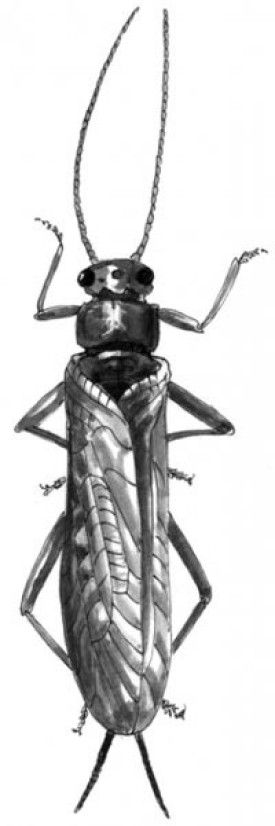
Winter’s Bug Season
In one form or another – eggs, larvae, pupae, nymphs, adults – insects are as much with us when it’s below zero as they are in July. Some, tucked away, become inactive before the…
March 1st 2005
A Place in Mind
Giant sugar maples line each side of the abandoned town road above our farm – gnarled veterans with ropy bark and knobby knees. When the fog is just right on spring and autumn mornings, the…
March 1st 2005
Mill Prices
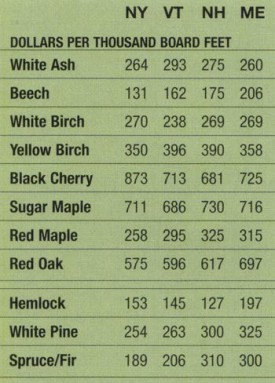
The prices reported here are those that log buyers—mostly sawmills and wholesalers—are paying for logs. Because these are prices paid for delivered wood, landowners need to adjust the…
March 1st 2005
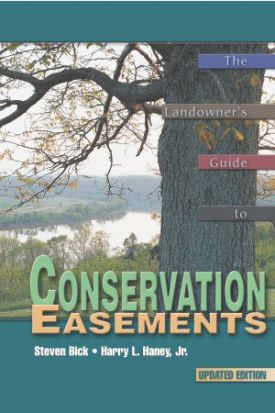
The Landowner’s Guide to Conservation Easements
In the world of forestry and conservation, one of the most significant developments in the last three decades has been the steadily increasing use of conservation easements. Through a process in which…