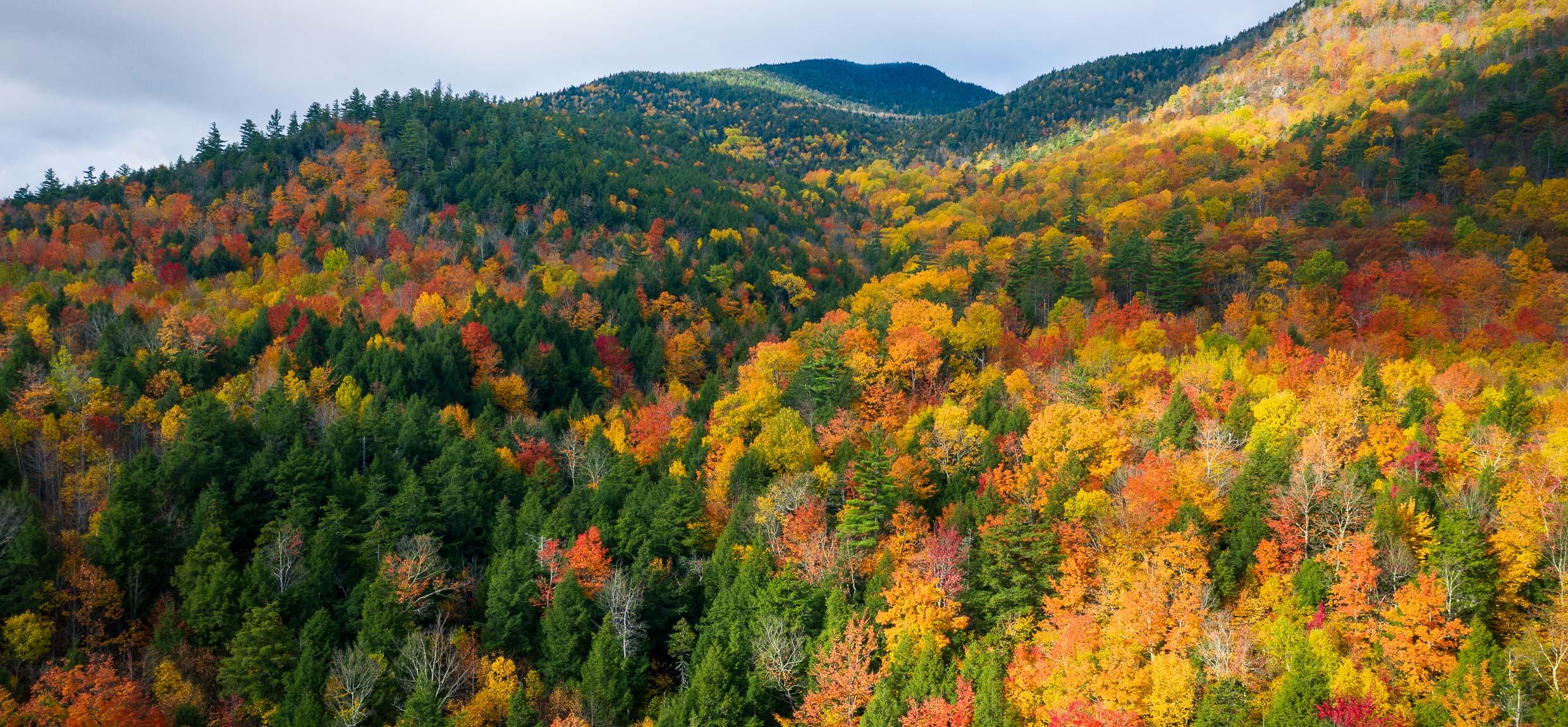

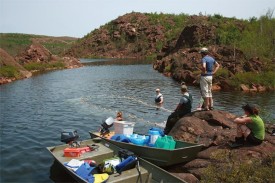
We don’t typically think of forest debris as a food source for freshwater fish and other aquatic organisms, but a study by researchers at the University of Cambridge in England suggests that it…
March 27th 2015
Peeper Keeper
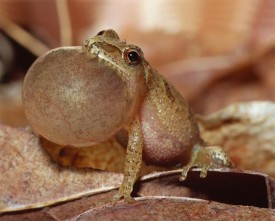
For nearly 20 years, Gary Lovett has kept a journal with notes about a variety of natural events taking place in his backyard in southeastern New York, including the date that spring peepers begin…
March 27th 2015
Sugar and Seeds
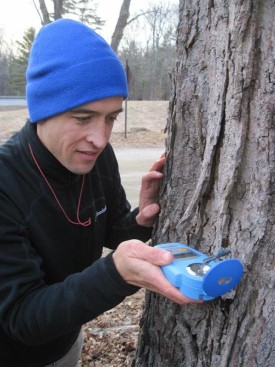
Maple syrup producers no longer have to wait for spring weather to know if they are likely to have a good year. A postdoctoral researcher at Tufts University has revealed that sugar maple seed…
March 23rd 2015
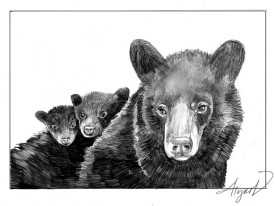
From Winter to Spring in a Bear Cub’s Den
The transition from February to March is not subtle. With hardly time to recover from a truncated month, we attend Town Meeting, cede an hour to our clocks, and navigate spontaneously erupting frost…
March 20th 2015
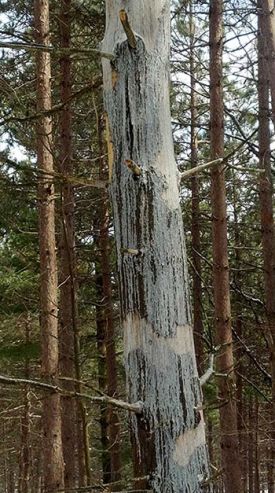
White Pine Weirdness
Glen Roberts noticed this white pine while working in the woods in New York. Why does it look like this?
March 20th 2015
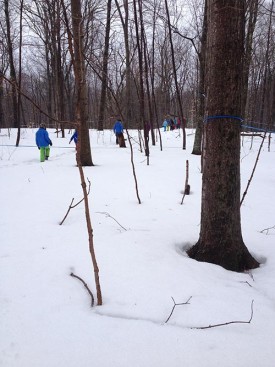
Dispatch from the Sugarwoods 2015 Part 2
So we got our first run the end of last week, and made our first syrup on March 14. That was also the day we finally finished tapping, thanks in large part to our friends Ginny and Court who traveled…
March 18th 2015
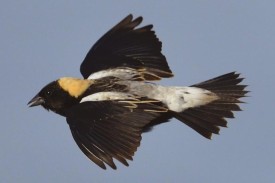
Birds in Focus: A Bobolink’s Carbon Fingerprint
Life can be rough for the bobolink, a charismatic grassland bird whose population is declining. Halting that decline is a challenge for North American ornithologists. After all, bobolinks spend about…
March 16th 2015
Sneaky Ducks and Scrambled Eggs
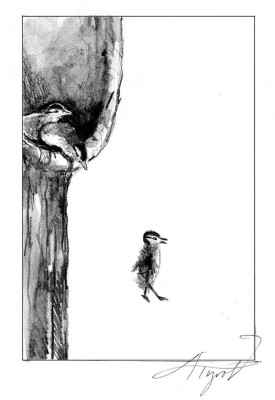
If you peek into a wood duck nesting box during the breeding cycle, you might find 10 to 11 eggs, which is the bird’s normal clutch size. But you might also stumble upon a box overflowing with…
March 10th 2015
Conservation Easements
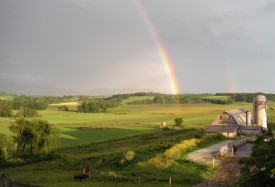
How Long Is Forever? And Can Anything Be Done in the Meantime? My wife and I own a 100-acre farm in eastern Vermont, where we raise and sell lambs, chickens, vegetables, honey, maple syrup, firewood,…
March 9th 2015
Nothing Rotten About Deadwood
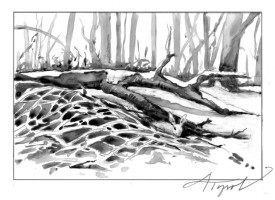
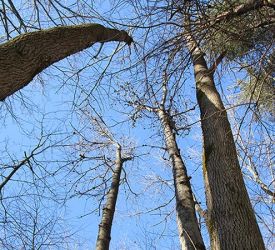
A guy down the road has been working in his woods for the last couple of years. He’s cleaning them up. And I mean cleaning. He cuts the underbrush. Takes out the dead trees, the downed logs, the…
March 6th 2015
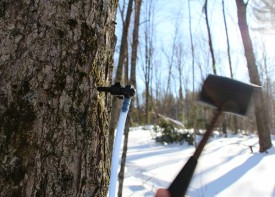
Dispatch from the Sugarwoods 2015
We usually start tapping our sugarwoods around February 1. This year it was five below zero that morning, and so there was no rush getting out there. If it’s too cold when you tap, you can split…
March 5th 2015
Editor’s Note
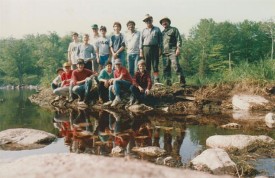
It’s important for a boy to have older male role models who aren’t their father. When I was growing up, Ed Colvin was one of those men in my life. Ed was my neighbor and my best friend…
March 2nd 2015
Tips for Game Camera Success
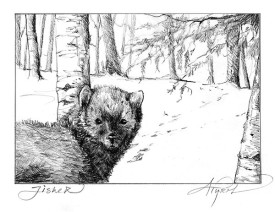
My town had the job of removing a dead beaver from a culvert pipe cage, a rather sad and odorous affair, but also an opportunity. I alerted the usual suspects – there’s nothing like a…
March 2nd 2015
1,000 Words
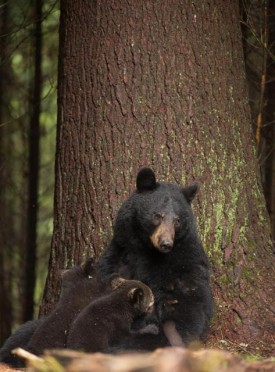
A simple shot of a black bear nursing her cubs, right? Photographer Roger Irwin explains there’s more to the story. “I had put a dead cow out for the coyotes, bobcats, and fishers in…
March 2nd 2015
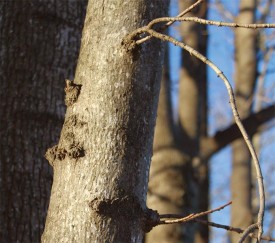
Woods Whys: Self-Pruning Branches
I’m interested in learning more about how trees self-prune. How does a tree “decide” that a branch is no longer useful? Think of it as nature’s cost-benefit analysis. Instead…

March 2nd 2015
From the Center
Someone left a plastic zip bag full of soggy pink something, labeled “bobcat,” in the office sink. Naturally, I asked Dave Mance for an explanation. He pushed back from his computer…
March 1st 2015
February 2015
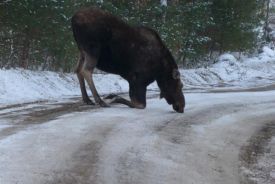
Gallery themes: For animals that struggle with deep snow, February 2015 was an especially tough month. Your photos revealed bobcats in backyards, and owls near buildings. Other themes: foolhardy…
Issue 84: Spring 2015 $6.00
Forests on the Move A Logger's Diary The Plight of the Moose Self-Pruning Branches, Stinging Nettle Soup, Strong Owl Stomachs, and much more
February 23rd 2015
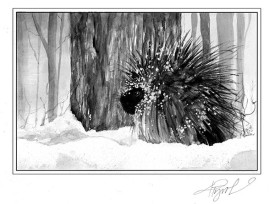
Porcupines: Waddling Through Winter
The porcupine is one of the most unique and recognizable mammals in the Northwoods. And thanks to its short legs and fat body, it’s also one of the slowest. Of course, a porcupine really has…