
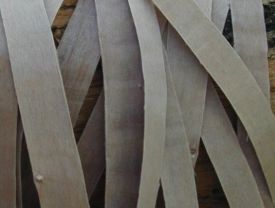
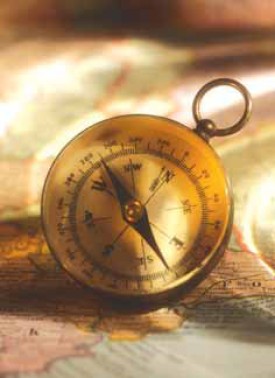
Reader Eli Sagor from St. Paul, Minnesota submitted this picture -- the objects have both a Midwestern and Northeastern woods connection. What are they and what are they used for?
September 1st 2010
Editorial
The ancient Celts spoke of “thin places” in nature – places where the veil between heaven and earth is worn thin. To those with Thomas Cole taste, “thin” could be…
August 26th 2010
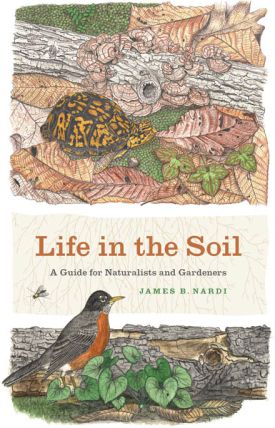
Life in the Soil: A Guide for Naturalists and Gardeners
After reading this book, you might find yourself having a panic attack the next time you press a spade into topsoil. There are myriad creatures– many are bizarre and many are beautiful –…
August 26th 2010
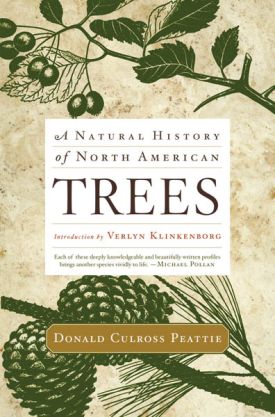
A Natural History of North American Trees
To assimilate the full value of many books, a reader must start at page one and continue to the end. Other books, however, may be consumed, like a rich dessert, a portion at a time. Such is the case…
August 26th 2010
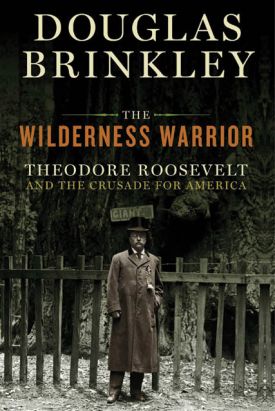
The Wilderness Warrior: Theodore Roosevelt and the Crusade for America
On September 6, 1901, the day President William McKinley was mortally wounded in a Buffalo, New York, train station, Vice President Theodore Roosevelt was in Vermont. He was there to study the…
August 26th 2010
Hot Off The Press
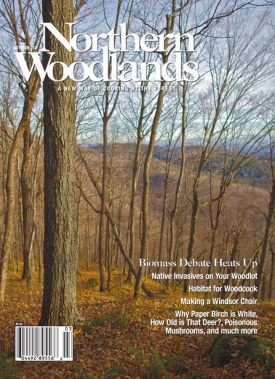
If you haven’t already received your autumn issue of Northern Woodlands you should get it any day now. When friends ask me how I think the issue turned out, I tell them that I don’t know…
August 26th 2010
A Little Mystery
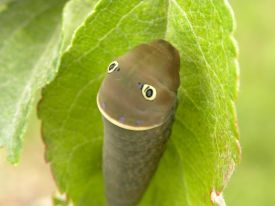
Our Executive Director found this critter on an apple tree near his home in northern Vermont on July 25. What is it?
August 26th 2010
A Place in Mind
Deep in our deepest nature is the environment we knew as a child, so that when we meet it later in life, we know we are home. Such is my feeling for the part of rural Vermont where I live. Which is…
August 26th 2010
The Outdoor Palette
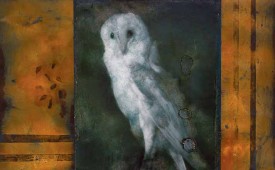
Oftentimes the first question a young child asks upon entering a natural history museum and seeing the stuffed specimens is: “Are these real?” Barn Owl with Rust #2 begs the same…
August 26th 2010
A Swiss Canoe Trip
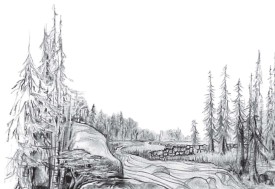
First, a few clarifications. This trip took place neither in Switzerland nor in a Swiss canoe. What made it Swiss was the presence here in Maine of our Swiss relatives, Vreni and Ueli. Before they…
August 26th 2010
Tricks of the Trade: Basic Chainsaw Maintenance
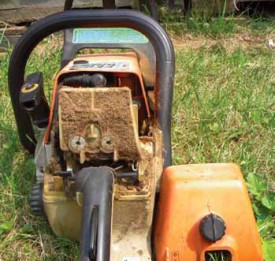
Your modern chainsaw has a precision engine that can be rendered into a worthless chunk of aluminum with just a few careless mistakes, like running straight gas through it, or spending an afternoon…
August 26th 2010
Got Fern? Controlling Native Invasive Plants
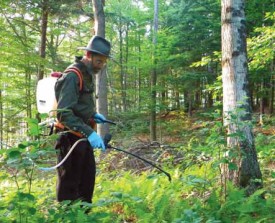
Exotic invasive plants get the headlines, as they crowd out native species, deprive wildlife of food, and generally devalue the Northern Forest. But in certain cases, native plants can cause the same…
August 26th 2010
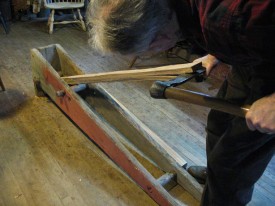
Rake and Splay: How I Learned to Make a Windsor Chair
A decade or so ago, a friend showed me his copy of a book called Make a Chair from a Tree. Now who could possibly resist a title like that? With its step-by-step procedures for making a ladderback…
August 26th 2010
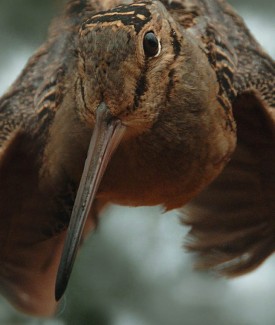
Woods for the Woodcock
Dawn, in early November: stepping outside, I hear a twittering from on high. Against the brightening sky, I glimpse a small bird with a rounded head and a long, pointed bill. On rapidly beating wings,…
August 26th 2010
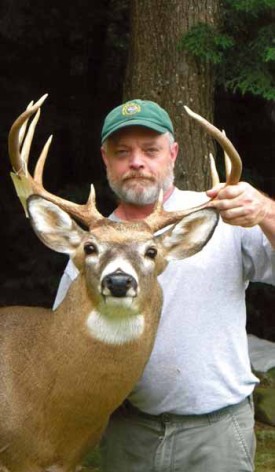
At Work with Taxidermist Leon Verville
In the basement of the New Hampshire Fish and Game department’s Concord office, down an industrial gray set of stairs, and through a hallway that smells like an elementary school library, a…
August 26th 2010
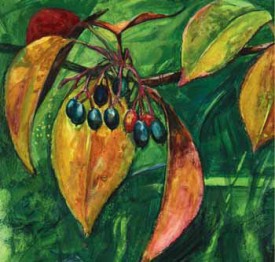
Nannyberry, Viburnum lentago
Michael Dirr, my favorite horticulturalist, is a man of strongly held views. Though our tastes don’t always align (one of my favorite plants, Kolkwitzia, “gives him a headache”), we…
August 26th 2010
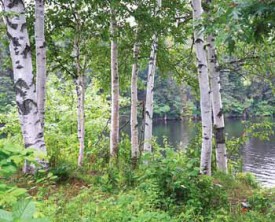
Why are Paper Birches so White?
Certainly there’s much to admire about paper birch trees, also known as white birch (Betula papyrifera). Ecologists marvel about how adaptable they are, growing natively over a transcontinental…
August 26th 2010
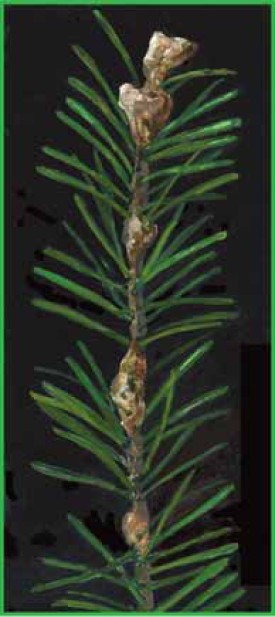
Balsam Woolly Adelgid
Balsam woolly adelgids (BWA) were first noticed in this country in Brunswick, Maine, in 1908. Like the dreaded hemlock woolly adelgid, this tiny, wingless, introduced insect feeds by inserting its…
August 26th 2010
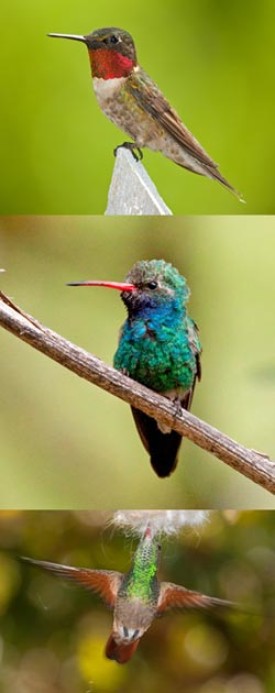
Hummers
They are the epitome of avian energy, hovering, darting, and flowing like no other birds, almost as if they weren’t birds at all but rather androids or creatures borne from the sparks of our…
August 26th 2010
Conserve More Land Today Through Parcel Aggregation
Harvard Forest recently produced a report called Wildlands and Woodlands, A Vision for the New England Landscape. The vision calls for a long-term conservation effort that would conserve 70 percent of…