
“Perhaps the passage of time is a kind of healing, or a kind of salvation granted equally to all people.”—Mizuki Nomura Inari, Finland, is the cultural center of the Sami – the…
May 20th 2015
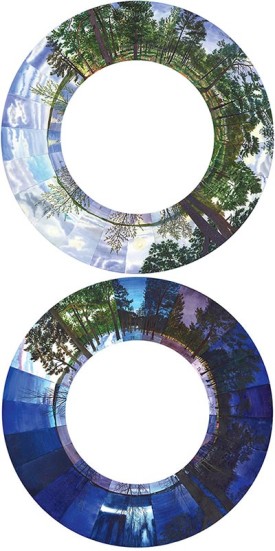
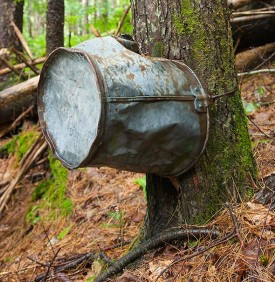
Back in Time: A Photo Essay
The history of agriculture is written all over the woods of southern and central New England. Old stone walls grid the landscape and seem to tie disparate stands of second-growth forest together;…

May 18th 2015
Field Work: At Work Logging (and Training) with John Adler
John Adler happens to be a logger, but more inherently he’s a thinker. Spend a little time with him and you quickly realize that whether he had chosen to be a banker, a builder, whatever, he…
May 18th 2015
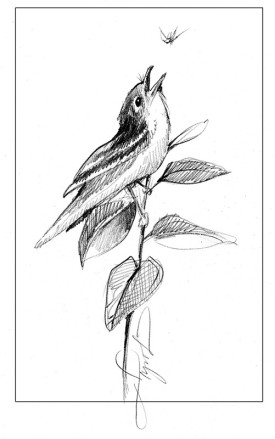
Alder and Willow Flycatchers: Sibling Species
By mid-May each year I begin to look forward to the return of the alder flycatchers that nest in the willows along the stream near our house. Usually the last migrant to arrive on our property, this…
Issue 85: Summer 2015 $6.00
Oak and Light, Yankee Tarheels: Pitch Pine in Colonial America, Turtles, Creek Dipping in the White Mountains, The Hatch, ATVs: Recreation and Conservation, and much more
May 15th 2015
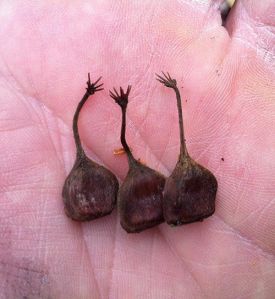
Tick Talk
I went to a tick talk last night in southwestern Vermont that was sponsored by Bennington College and the Bennington County Sustainable Forestry Consortium. Kathleen LoGiudice, a researcher affiliated…
May 11th 2015
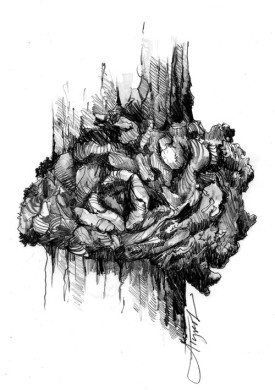
Go Figure: How Tree Burls Grow
I’ve had my eye on this maple in my woods for some time. Not because it’s a beautiful timber tree. It’s only about eight inches in diameter, after all. But, it has an interesting…
May 5th 2015
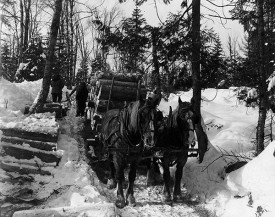
I Have Earned My Place: A Logger’s Year, 1936
In 1936, the United States was still struggling to escape the Great Depression. And things were especially bad in Groveton, New Hampshire – a paper mill town. Groveton’s mill fell two…
May 4th 2015
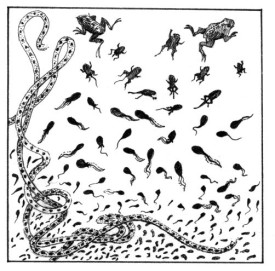
Vernal Pools: Hatch, Grow and Get Out
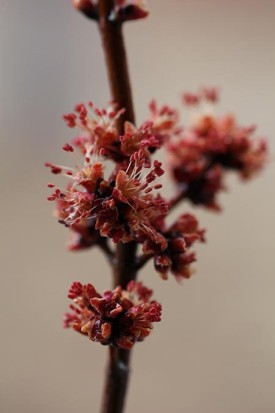
Three things happened this week: bluebirds and tree swallows returned, my road was graded, and the red maple buds popped. It’s time to search for vernal pools. Vernal pools are small areas of…

May 1st 2015
The Munching Tree
An animal was eating the bark near the crown of this sumac tree. What kind of animal was it?

May 1st 2015
On The Boardwalk
You do this job long enough and you turn into Andy Rooney, I’ve decided, which is to say that you slowly become some crotchety old guy who gets mad at the news and wants to tell everyone about…

April 30th 2015
April 2015
This month's photos showed, at long last, the woods waking up. Amphibians mated in vernal pools, bees ventured from their hives and bright green ramps popped up among the brown, snow-flattened…
April 27th 2015
Fish Go With the Flow
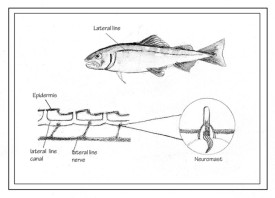
There are times when fish appear telepathic. Consider the uncanny way a school of bait fish moves as one to avoid a predator, or the way goldfish in their lighted bowl turn towards the glass when…
April 21st 2015
The Great Forest Migration
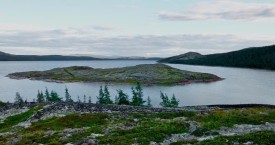
How New England's Forests Arrived, Where They Came From, and What it Means for The Future Sometime around 12,000 years ago, the first human beings arrived in New England. We don’t know much…
April 20th 2015
Building Local
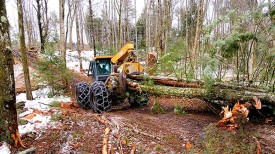
It was early, even for the birds, when photographer Bill Byrne and I arrived at Jim Conkey’s sawmill in New Salem, Massachusetts. C & M Rough Cut is nestled in the woods just a stone’s…
April 20th 2015
Tasty Teas (and More) from Trees: Black and Yellow Birch
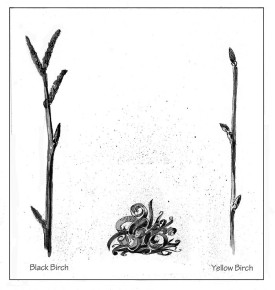
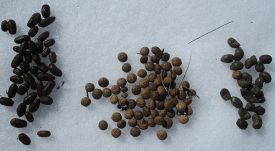
Scratch and then sniff a black or yellow birch twig, and the pleasant aroma will likely put a smile on your face. What you are smelling is oil of wintergreen (methyl salicylate). This chemical…
April 17th 2015
Scat Secrets
We’ll try to make this the last WITWIT photo of the season with snow in it. At least the white background makes things clearer! Can you identify the sources of this scat (from left to right)?
April 17th 2015
Dispatch from the Sugarwoods 2015 Part 4
We boiled for the last time this season last Saturday – a raw, cold day. It froze hard that night, but Sunday rose up into the 60s. It felt like the end of sugaring season and the first day of…
April 14th 2015
Stinging Nettles: A Favorite Spring Green
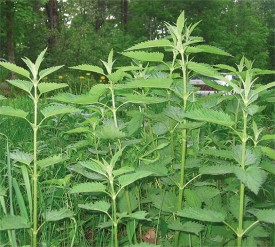
There’s no mistaking the stinging nettle. Sure, its paired, heart-shaped, coarsely-toothed leaves are easy to spot. But it’s the painful burning sensation one gets from even a light brush…