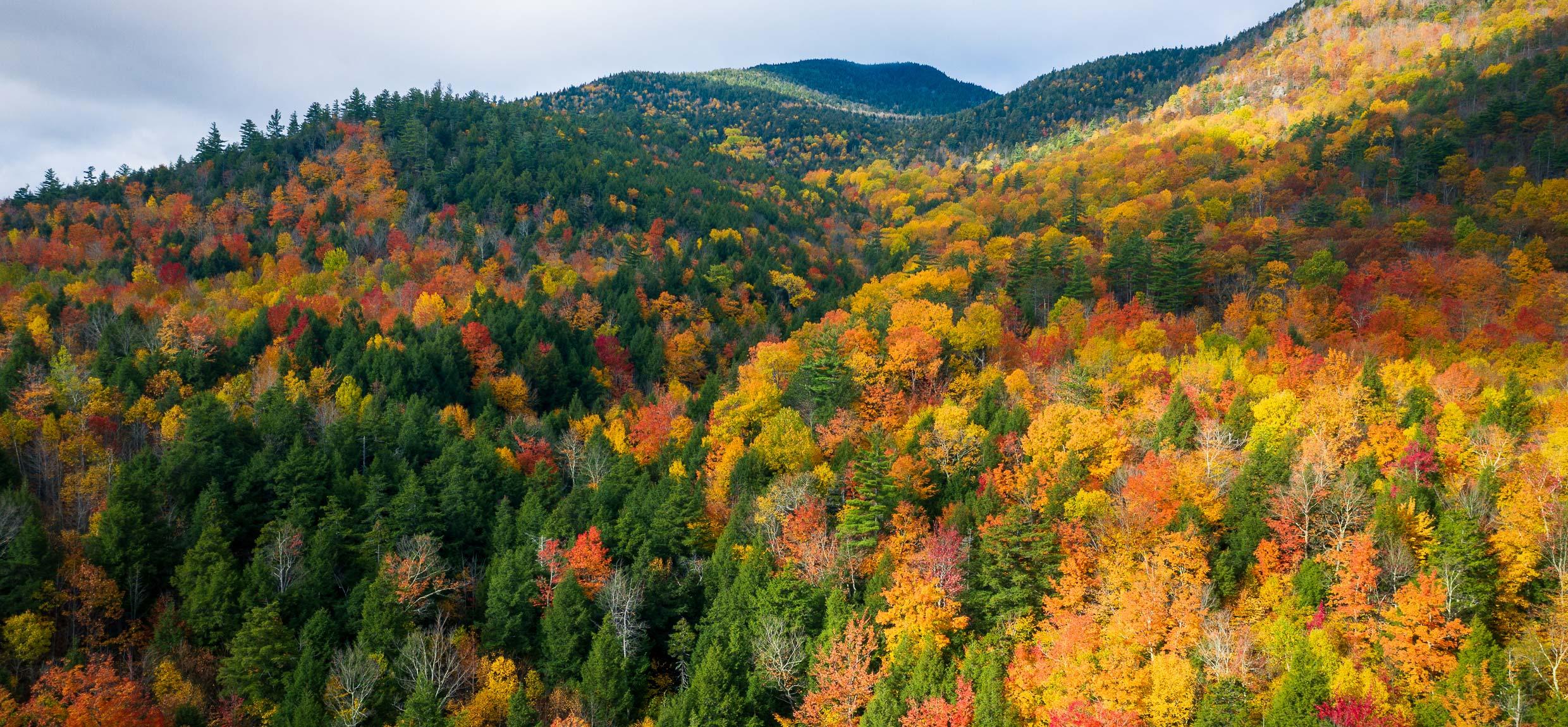

Maine’s forests, stretching across 89 percent of the state, have long been the backbone of its economy, sustaining generations of loggers, truckers, and mill workers. Over the course of four…
September 1st 2025
Behind the Pages
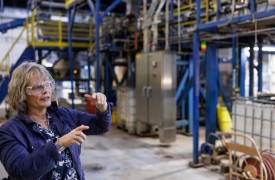
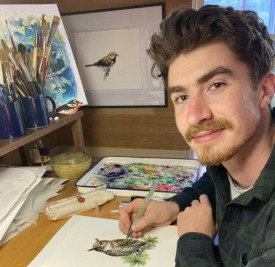
Dozens of people contribute to creating each issue of Northern Woodlands. Here are a few of the people whose work is featured in the Autumn magazine. {image2} Loren Merrill (Discoveries, page 68, and…
September 1st 2025
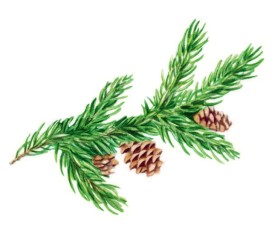
Part Two: The Spruces
Picea is the classic Latin name for a conifer that produces a resinous material; the Latin term is probably derived from the Greek word for pitch, pissa. In the 1700s, several botanists used picea as…
September 1st 2025
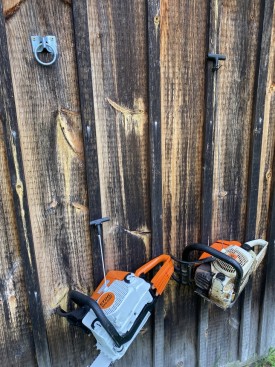
How to Compression Test a Chainsaw
To run, your chainsaw needs air, fuel, spark, and compression in the cylinder. If any of those components are missing, your chainsaw won’t work – or at least won’t run and cut…
September 1st 2025
Off the Rails
Two miles down the trail that’s still drunk from coal dust though the rails screamed their way to scrap half a century since, we quit walking calm, start skewing wild as if those old ghost…
September 1st 2025
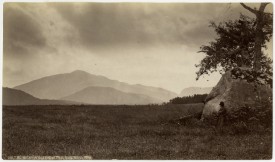
The Gift of Access: An Adirondack Story
Since the late 19th century, the six-million-acre Adirondack Park – as big as Vermont, bigger than Yellowstone, Glacier, Everglades, and Grand Canyon national parks combined – has defined…
September 1st 2025
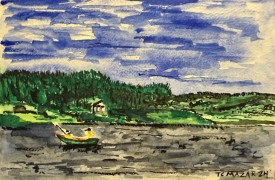
A Small Stretch of River
My neighbor Judy Smith, who is a geologist, told me one afternoon that the shale cliffs we looked up at from her cottage porch, along the north branch of the Susquehanna River, are Devonian rocks,…
September 1st 2025
Woods Work: Learning Through the Game of Logging
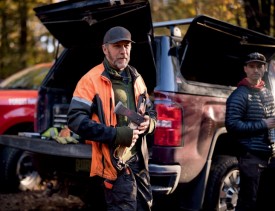
When John Adler, at the age of 23, first heard Swedish logger Soren Eriksson talk about new techniques for harvesting trees safely and efficiently, he saw an opportunity. Adler had been cutting wood…
September 1st 2025
Reassembly of Disturbed Forests Portends Climate Resilience but Diversity Loss
As climate change continues to reshape ecosystems across the globe, forests – key players in the Earth’s carbon cycle – are also undergoing significant transformations. A study…
September 1st 2025
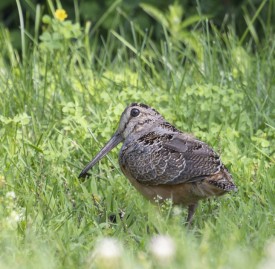
American Woodcock
The American woodcock is a favorite of bird enthusiasts and hunters alike, delighting people with its quirky walking style, bug-eyed appearance, spectacular aerial courtship displays, and (apparently)…
September 1st 2025
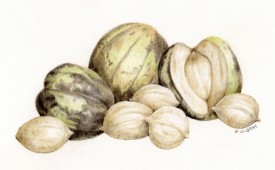
Shagbark Hickory
Shagbark hickory (Carya ovata) trees are a familiar sight along rural roads and field edges over much of the Northeast. They are recognizable year-round by their telltale bark, with pieces peeling off…
September 1st 2025
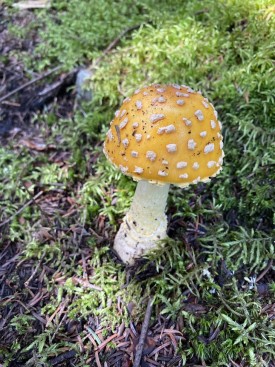
What Are Mycorrhizal Fungi and What Role Do They Have in the Forest?
Fungi are a fundamental part of forest ecosystems. They break down dead plant material, releasing nutrients for other organisms to use, and they help plants access water and nutrients needed for…
September 1st 2025
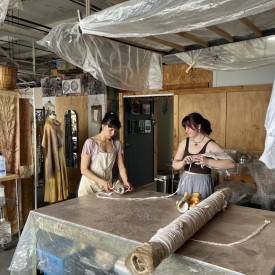
Foraging for Fashion
While studying for a master’s degree in architecture at Rhode Island School of Design (RISD), Aleksandra “Sasha” Azbel discovered a new love: textiles. She was intrigued by the…
September 1st 2025
1,000 Words
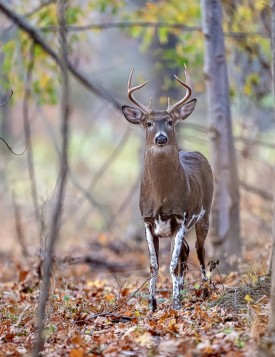
Lenny Gorski first noticed piebald deer – two of them – while searching for bucks to photograph more than three decades ago. “A piebald deer will have white mixed into its coat, and…

September 1st 2025
Editor’s Note
The nature of a quarterly magazine timed to publish with the change of seasons means that I’m writing my column for this Autumn issue during the hottest, muggiest days of summer. The green…
September 1st 2025
Bumble Bees: Iconic and Essential
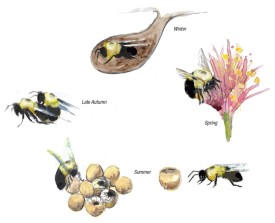
Bumble bees are culturally iconic and essential to our environment. While unwittingly inspiring classical music, soft toys, and jewelry, bumble bees pollinate flowers both obscure and important to…
September 1st 2025
Reservoir
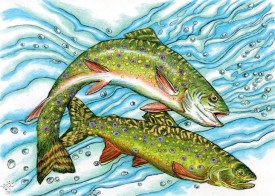
Today, four days from the end of October, I plan to walk the edge of a small creek. As the raven flies, it’s 15 miles east of our house, two ridges into the Ridge and Valley, yet I’ve…
September 1st 2025
Enhancing Pollinator Habitats Along Natural Gas Pipeline Rights-of-Way
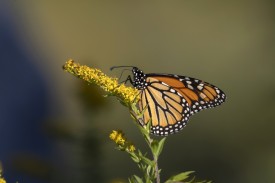
Insect pollinators provide critical ecosystem services across the planet. A 2011 study in the journal Oikos estimated that between 75 and 95 percent of the planet’s flowering plant species,…
September 1st 2025
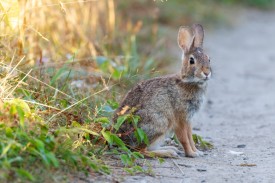
New Bacteria Discovered in Rabbit Ticks
People are exposed to ticks across diverse outdoor environments, from backyard gardens to backcountry wilderness. To limit tick-borne diseases, we can discourage ticks from biting us by wearing…
September 1st 2025
From the Center
About a year ago, I took over Northern Woodlands’ This Week in the Woods blog, which my predecessor and skilled observer Elise Tillinghast began during the pandemic and wrote for four years.…