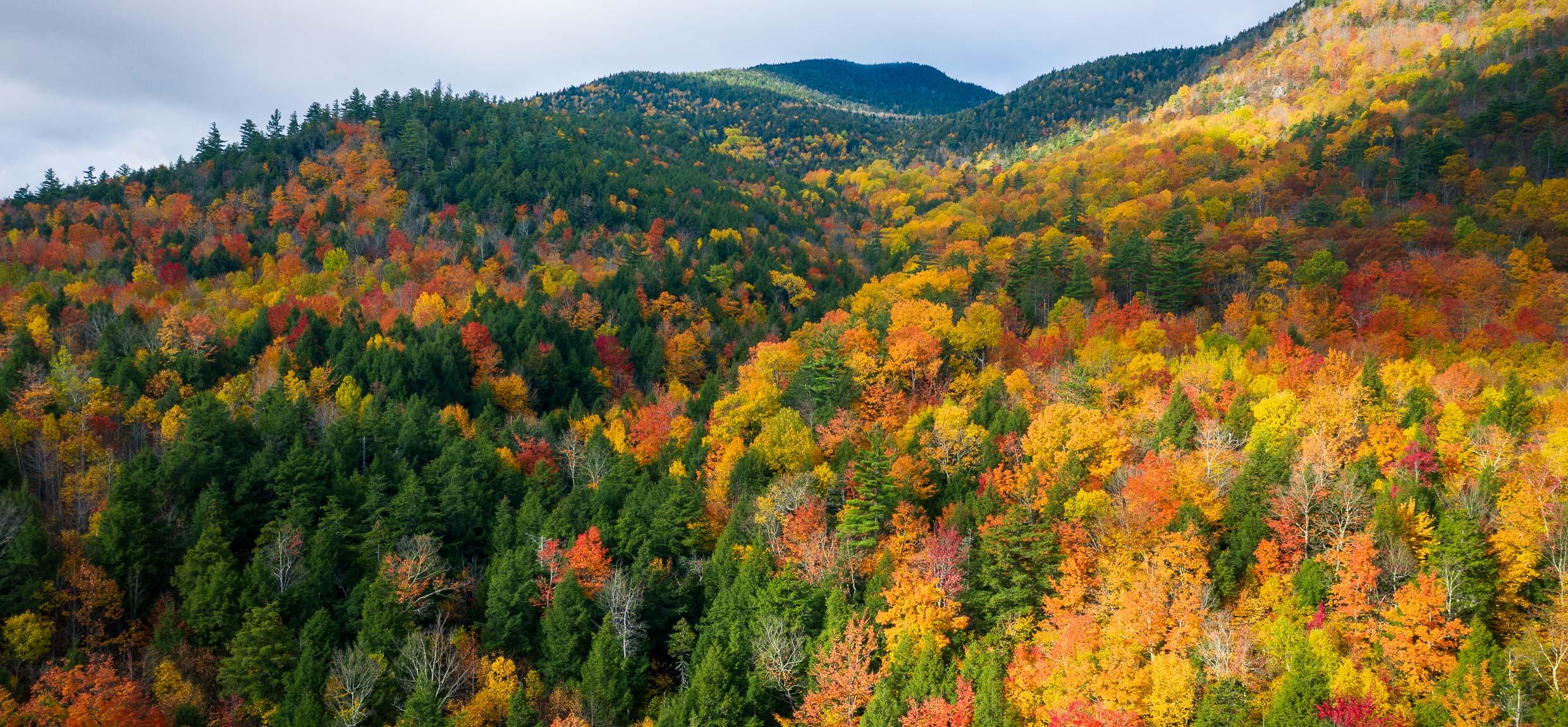

Reader Karen Jackson was loading her woodstove when this piece of bark fell off a log. The underside was covered in lacy designs. What caused these patterns?

December 31st 2009
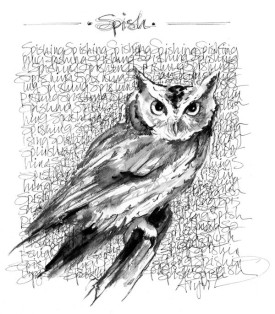
To Hear Songbirds in Winter, Try a Little ‘Spishing’
When nature calls, a birdwatcher should consider spishing in the woods. Nature calling, in this case, is the unmusical peeps, chips, tweets and whits of songbirds in winter. Lacking the imperative to…
December 29th 2009
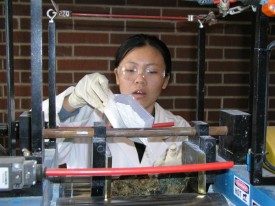
Where the Cellulose Meets the Road
Wooden tires went out of style a century ago, along with buggy whips and horse-drawn wagons, but if an Oregon State University researcher has anything to say about it, a modern relative of the wooden…
December 28th 2009
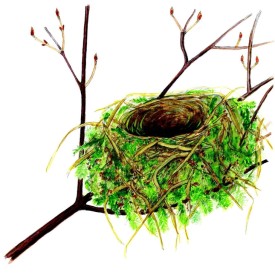
Which Bird Made That Nest?
The diversity of behavior among bird species is nowhere so dramatic as in their nest construction. Each species builds a specifically precise nest that differs in functional ways from those of almost…
December 24th 2009
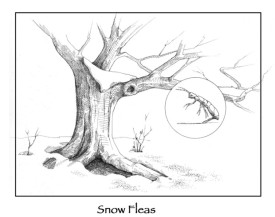
How Insects Survive the Cold of Winter
Three months ago, our fields and forests buzzed and chirped with six-legged life: cicadas overhead, crickets underfoot. Now snow has blanketed the landscape, and they and most other insects are gone…
December 22nd 2009
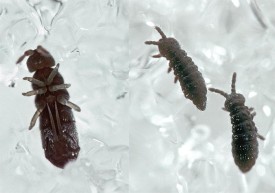
If Winter Comes, Can Springtails Be Far Behind?
Given an estimated around-the-globe average of 100,000 of them per cubic meter of soil, it seems astonishing that springtails (the tiny creatures often called “snowfleas”) are frequently…

December 18th 2009
Three Tanned Pelts
A trapper in southern Vermont submitted this photo showing the tanned pelts of three Northeastern mammals. From left to right, what are they?
December 18th 2009
Log Trucks and Highways
For years, frustrated log-truck drivers in Vermont have struggled with arcane federal weight limits on interstate highways. The weight limits kept log trucks off the interstates, and instead funneled…
December 17th 2009
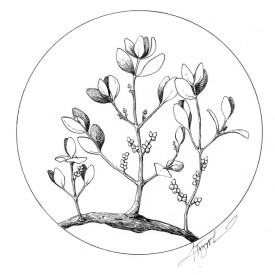
Plants From Afar Brighten Yule Spirits
The winter holidays are a wonderful time to learn about nature. After all, is there another time of year when we kiss under a parasitic plant? Or sing about decorating our halls with spiny-leafed,…

December 15th 2009
Notes on a Lost Flute: A Field Guide to the Wabanaki
N. Scott Momaday writes, in The Man Made of Words, “The storyteller’s place, within the context of his language, must include both geographical and mythic frame of reference. Within that…

December 15th 2009
Shop Class as Soulcraft, An Inquiry Into the Value of Work
One morning I followed a link sent to me by a friend and found that I had been quoted in The New York Times. That’s not a thing that happens often to woodshop teachers. The article cited my blog…
December 15th 2009
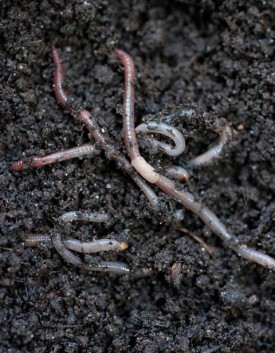
Digging for Worms
When Colgate University biologist Tim McCay began studying the impact of acid rain on soils and forest-dwelling animals in the Adirondacks, he started by heading into the forest and counting all of…
December 11th 2009
Archeological Ruin
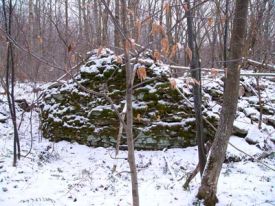
This archeological ruin was photographed in a yellow-birch/hard maple stand near the top of a mountain in southern Vermont. It’s not a cellar hole. For a hint, consult the winter 2009 issue of…
December 11th 2009
First Snow
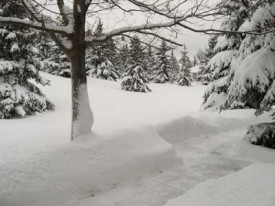
After a pathetic November that featured weather straight out of an Al Gore picture, winter proper came to the Northern Forest this week. Here again was December snow – the kind people love…
December 11th 2009
Wishing Only the Best for Her Porcupine
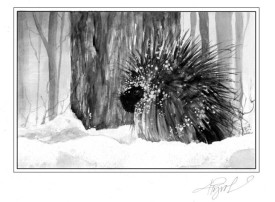
Last winter while walking in snow near my home in Worcester, Vt., I encountered a set of unusual paw prints by a creek. Curious, I followed the trail, my head bowed toward the ground, until the tracks…

December 9th 2009
Fearsome Creatures of the Lumberwoods (With a Few Desert and Mountain Beasts)
Amongst the multitudes of wildlife field guides, Fearsome Creatures of the Lumberwoods (With a Few Desert and Mountain Beasts) is unique in that it deals exclusively with animals that do not exist.…
December 3rd 2009
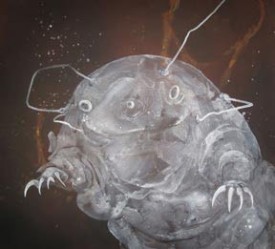
Water bears: Cute Little Survivors are Everywhere
So you think you’re tough surviving a northern New England winter? Well, consider the amazingly resilient “water bears,” creatures that live all around us but that can only be seen…
December 3rd 2009
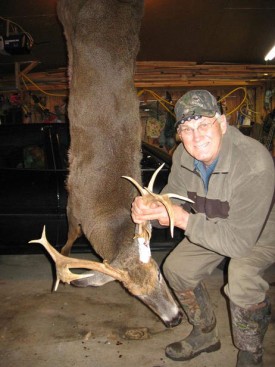
L-O-L-A Lola?
It’s not uncommon for pictures of hunter-killed buck deer to show up in my email inbox; what was strange about this case was the title of the email: antlered doe. As you can see from the picture…
December 1st 2009
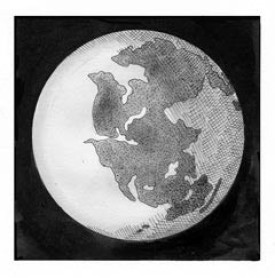
Vermont’s Farmers Have Geology to Thank
Question: Why has Vermont always been considered New England’s farm state? Answer: Geology, as in rocks and soils. Because of the limestone and other calcareous rocks underlying much of Vermont,…