
During the long spring and summer of 2020, when it seemed everyone else had discovered the White Mountains, I found a trove of town forests and conserved properties within an hour’s drive of my home in central New Hampshire. I’m still rambling among these quiet spots. Last summer, I revisited the Ossipee Pine Barrens, between Silver and Ossipee Lakes.
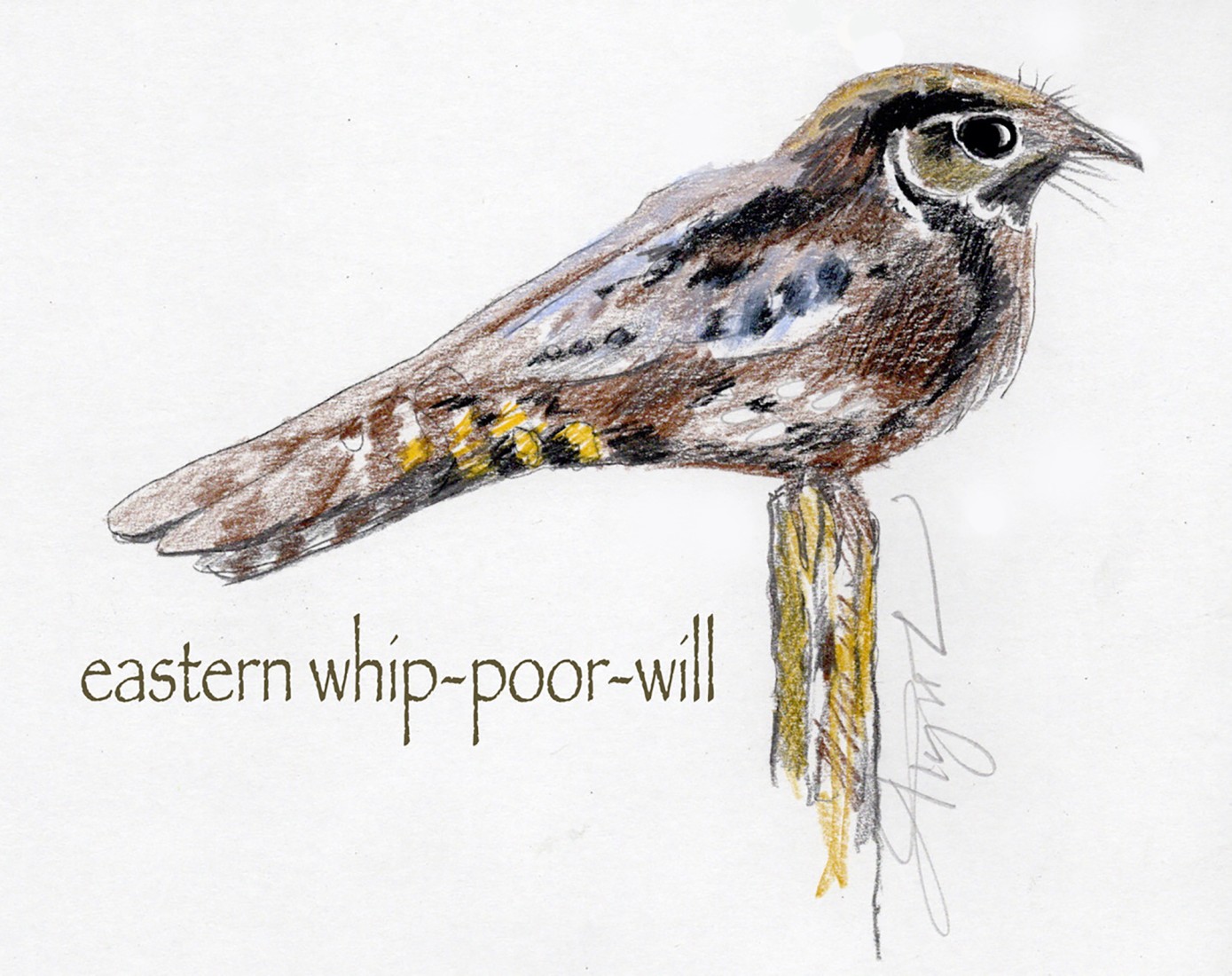
Pine barrens are unique woodland communities made up of pitch pine, scrub oak, and grassy areas. Blueberries and ferns blanket the ground. Dozens of threatened or endangered creatures prefer this vegetation, making this rare community their home. Moths, such as the phyllira tiger moth, and butterflies, such as the Karner blue, live here and feed on wild lupine, a native flower that grows in the sandy soil of pine barrens. Declining bird species such as the eastern whip-poor-will and the common nighthawk also breed and nest in these habitats.
Pine barrens were formed ten thousand years ago, when the retreating glacier left behind sorted layers of sand, gravel, and acidic soil. This porous, stratified drift filters water as it flows into the aquifer below. The Saco-Ossipee Aquifer is New Hampshire’s largest groundwater system, which provides clean water for humans and wildlife alike. In the late 1980s, The Nature Conservancy protected over 2,500 acres of the Ossipee pine barrens.
European settlers construed these forests as “barren” and applied the misnomer because they could not cultivate crops in the sandy soil. After giving up on the idea of farming, they discovered that the trees were useful for shipbuilding and the thick pitch of the pines could be processed into products such as resin and turpentine, which could be used to seal boats and prevent rot. While pine barrens once covered millions of acres from Maine south to New Jersey, much of them have been lost to development.
Arriving at the Ossipee pine barrens for the first time, I found a sandy path that meandered into a space both wide open yet full of pitch pines. The tall, straight trees reached skyward as the scent of warm pine drew me into the forest. I marveled at the boulders along the trail and the contrast of the trees’ deep green needles against the blue sky. The path ended on a ledge draped in pine boughs where I caught a glimpse of Lake Ossipee. The water glistened, cool and wet, a contrast to the dry forest around me.
Normally a prescribed burn would take place in late September or October, but on that Sunday, I saw no evidence of fire anywhere. Michael Crawford, the burn boss for The Nature Conservancy in New Hampshire, confirmed that there was a burn ban due to the drought. Instead of the prescribed burn, Crawford and other stewards used mechanical treatments, such as cutting back the understory, to prevent new shrubby growth and maintain the pine barren system.
Pine barrens need fire to survive and thrive. Pitch pines’ tough, rigid bark protects the tree, but its cones need the fire’s heat to melt the pitch and release the tree’s seeds. Scrub oaks survive in this environment because of their root system, burning above ground but developing robust underground roots that enable them to regenerate. Fire also limits growth of the understory, ensuring that these unique trees survive. When fire is suppressed for many seasons, the species composition of these woods can change significantly, resulting in non-fire adapted species becoming more dominant.
As I continued through the forest, I realized that the quiet was more than just the absence of people. Where were the birds that made the barrens their home? Some like the eastern towhee and the eastern whip-poor-will had begun their migration south, but others, because of the season, were just less vocal as they no longer needed to attract mates.
I discovered the preserve because I was looking for a different walk in the woods. What I found was something extraordinary, an ecosystem important to many unique plant and animal species and worthy of our attention and care.