
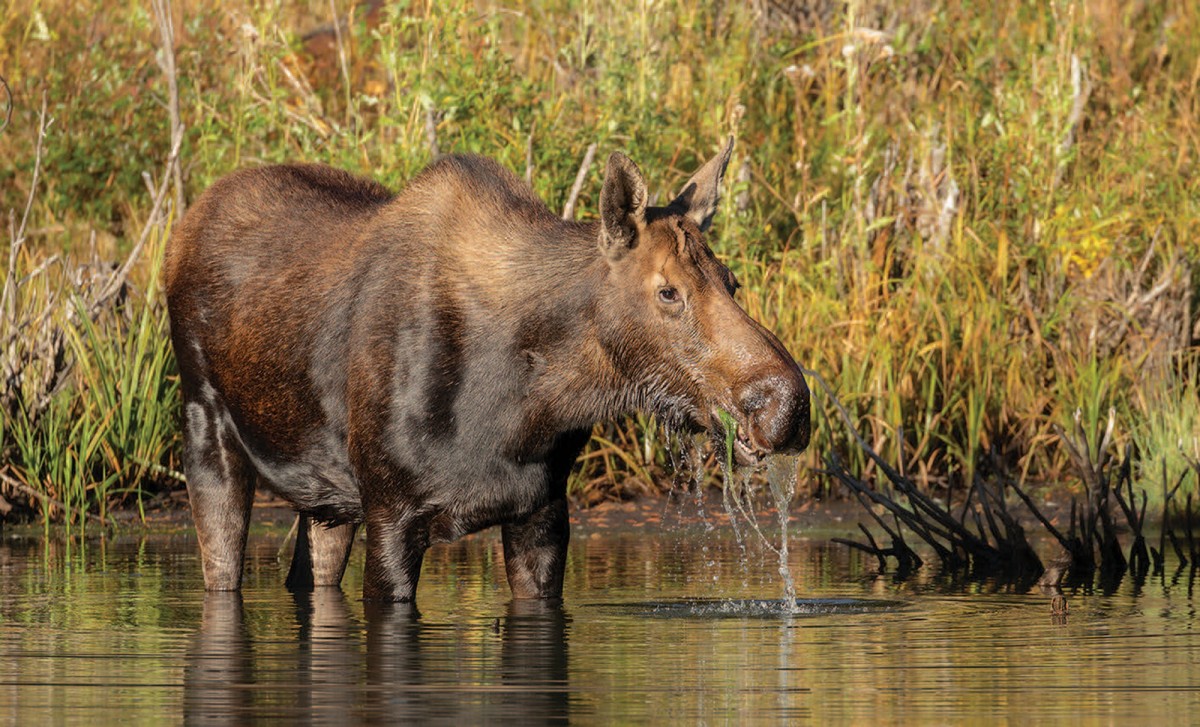
A group of scientists from New Brunswick Museum have discovered a connection between one of North America’s largest and most majestic mammals – the moose (Alces alces) – and a small, unassuming native earthworm, Bimastos rubidus. The researchers found that this earthworm was strongly associated with moose scat, which might serve as a refuge and a nursery for the worm. This interaction could have important consequences for forest ecosystems; earthworms are sometimes called “ecosystem engineers” for their ability to shape soil structure, chemistry, and even plant growth. Moose also have the capacity to affect forest and shrubland health via their foraging habits – especially when moose abundances are high – but their scatological influence on native earthworm populations may ultimately be more impactful to forest health.
Today, most of the earthworms in the previously glaciated parts of North America are non native, introduced from Europe and Asia after European settlement. Of the 29 earthworm species currently known in eastern Canada, only two are considered native, including B. rubidus, which lives primarily in leaf litter and under the bark of downed logs in hardwood forests. Because it occupies near-surface habitats, this species may be vulnerable to drying out during warm months and likely depends on moist microhabitats to persist.
Moose, which have roamed New Brunswick for an estimated 2,500 years, produce distinctly different droppings depending on the season. In spring and summer, when they eat lush, water-rich vegetation, their scat is soft and moist – more like cow manure than the dry pellets moose produce in winter. Scientists have long known that earthworms in pastures will gather under cattle dung to feed on its nutrients, but until now, no one had examined whether native herbivores such as moose might have similar effects on native earthworms.
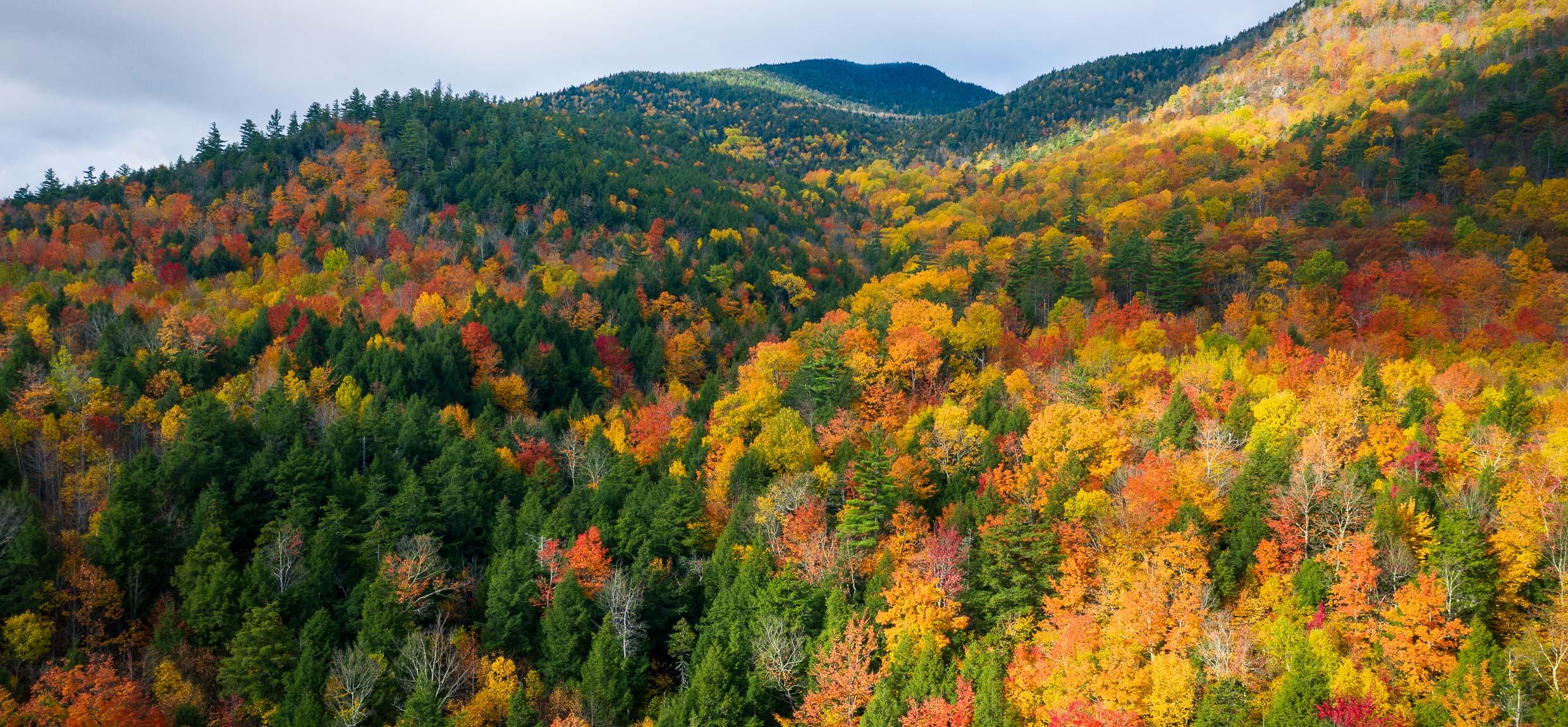
To explore this question, the museum scientists searched a hardwood forest in New Brunswick’s Kennedy Lakes Protected Natural Area for moose dung pats in August 2022. For each dung pat they found, they marked a quarter-square-meter plot around it and a paired control plot without dung nearby. They carefully sifted through both the litter and topsoil, counting and identifying each earthworm they found. Back in the lab, they also examined the dung itself for worms, classifying each one by species and age.
The results, published in the July 2025 issue of the journal Ecology, were clear: plots containing moose pats held 30 times more B. rubidus than plots without moose pats. Maximum densities reached 872 worms per square meter in dung plots compared with just 44 worms per square meter in controls. Additionally, 80 percent of the native worms in dung plots were juveniles, compared to only 44 percent of the worms in control plots, suggesting that dung pats may act as nurseries for young worms.
Previous research on white-tailed deer scat and non-native earthworms showed that, like the cow patties in pastures, deer scat can boost earthworm densities and alter understory vegetation. The moose–B. rubidus connection, however, represents one of the first documented interactions between a native ungulate and a native earthworm in North America.
The ripple effects of this relationship remain uncertain, but the findings underscore the fact that potentially important ecological relationships among native organisms can occur in unexpected places.