Skip to navigation Skip to content
forest background

The Monarchs Found Us

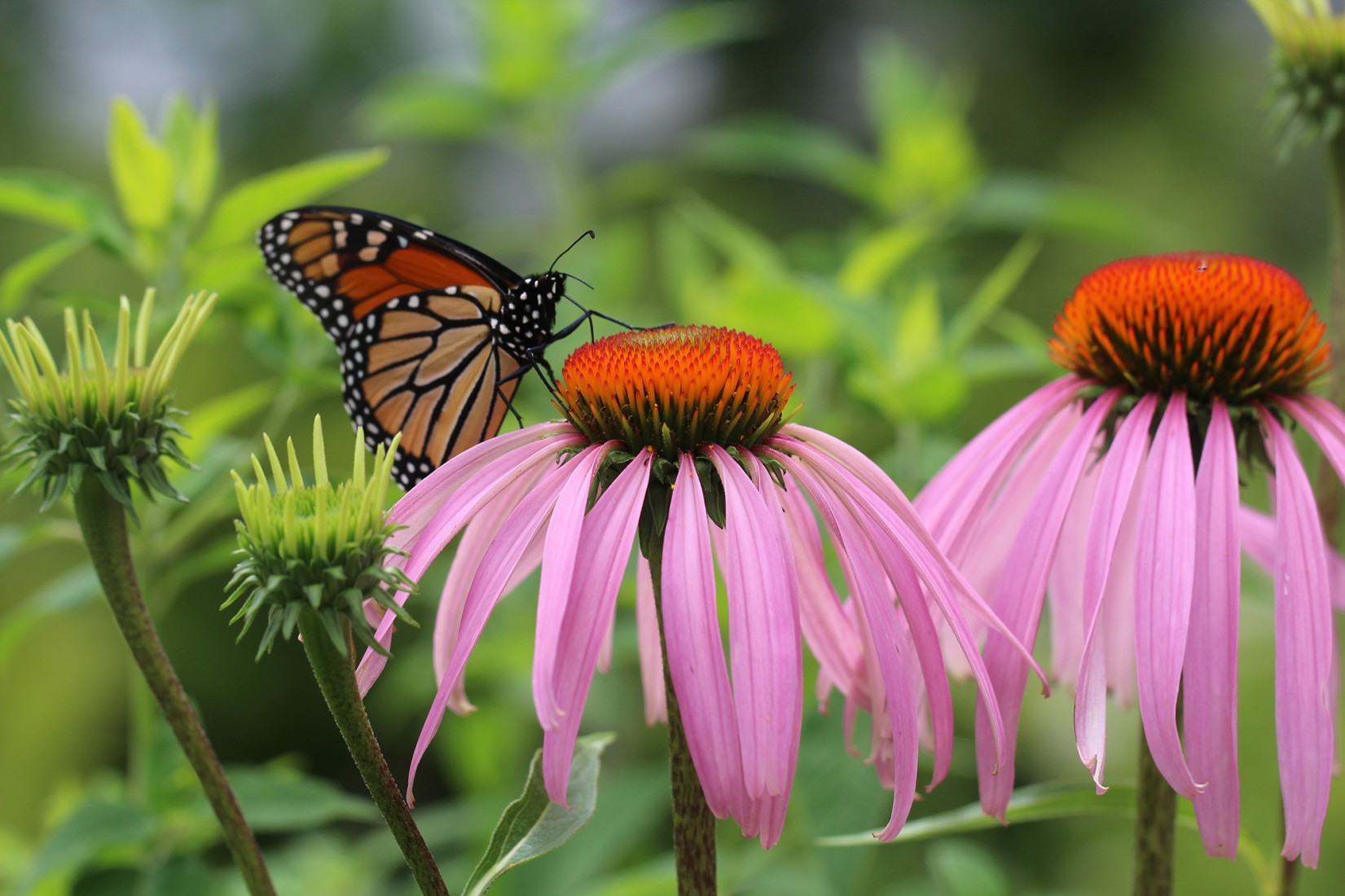
Monarch on flower
Monarch butterflies frequent the purple coneflower, with six spotted at once! We never saw so many monarchs in the neighborhood before this garden was here. Photo by Jack Saul.

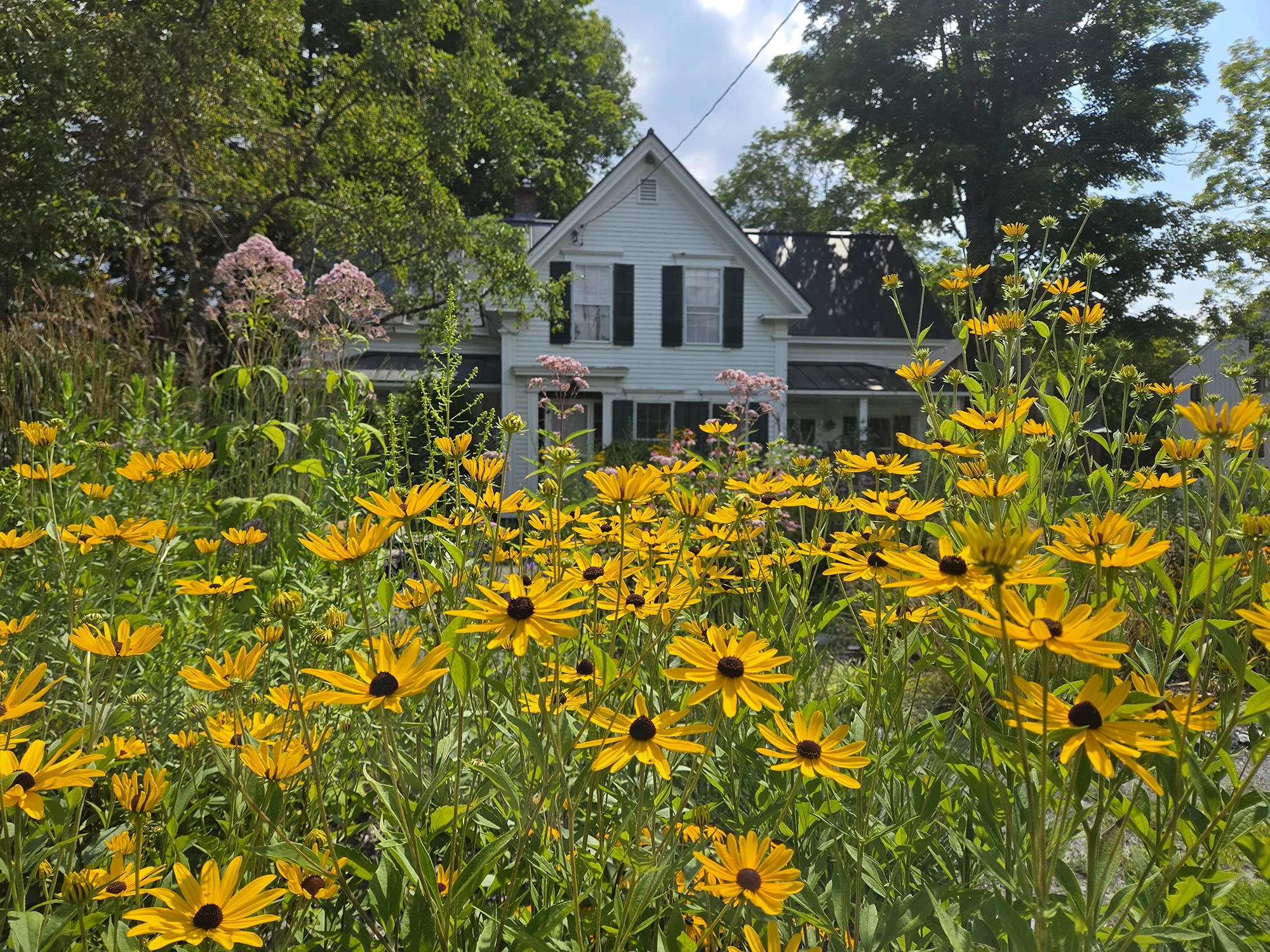
Now at the end of August, the garden is in full swing and showing signs of the season’s end. Some plants have flowered and are starting to fade, others are just hitting their peak, and a few have yet to bloom. In its third year, the garden is mature, with plants filling out and blending into their neighbors. Seeds from last year have sprouted, bringing a new maintenance task: removing seed heads to keep them in check. Next year may call for thinning the most vigorous species and trying out a few new ones. Enjoy our photos, and stop by anytime!

Our thanks to the Jack & Dorothy Byrne Foundation, The Lyme Foundation, the Utility Club of Lyme, and the many generous neighbors who make this garden possible.

The Monarchs Found Us Gallery

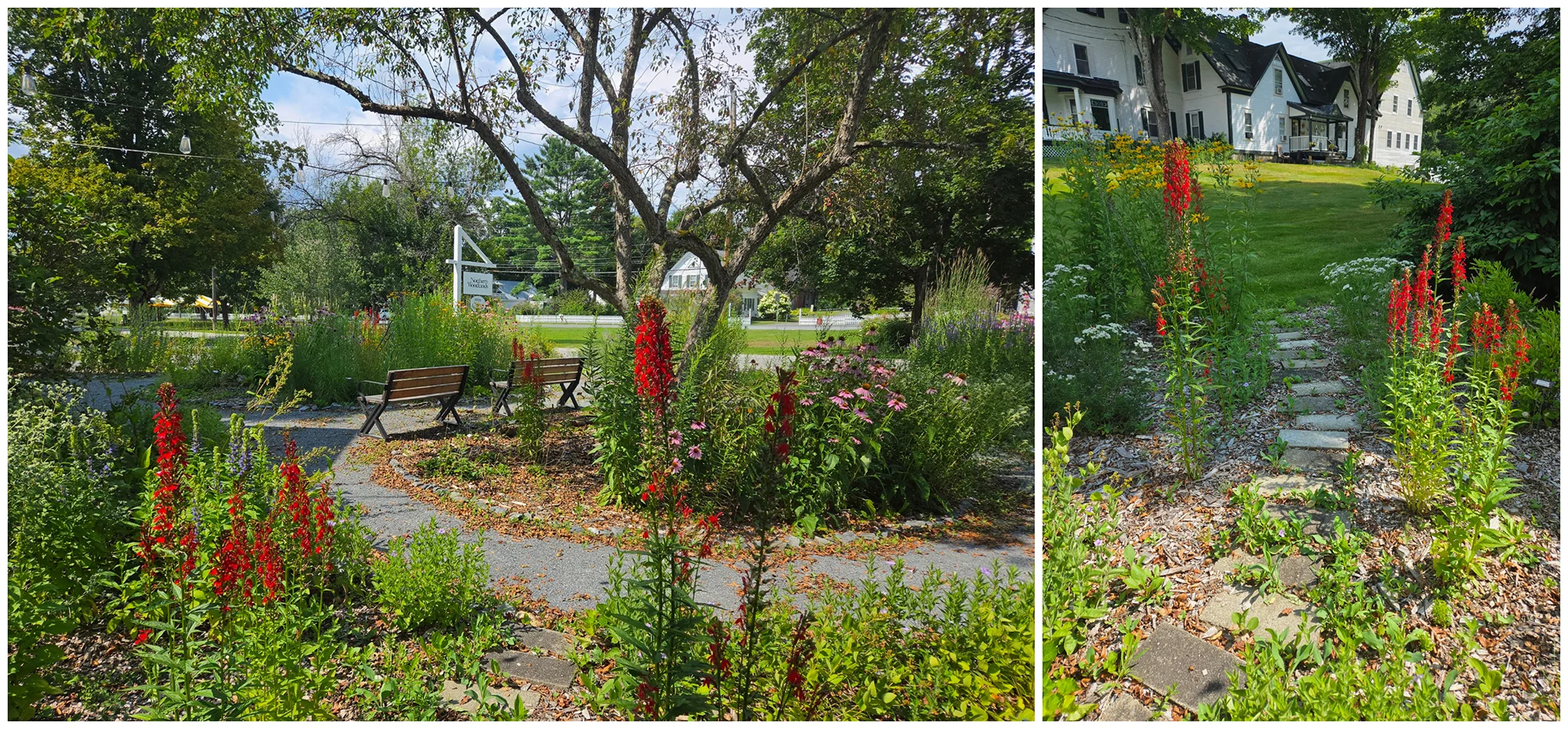
Garden collage Photo: Emily S. Rowe
The difference of a month: the garden was full in July, with plenty of plants blooming, but August brought more flowers and greater heights. | Photo: Emily S. Rowe
Front blooms Photo: Emily S. Rowe
Joe Pye weed and sweet black-eyed Susan reaching for the sun. | Photo: Emily S. Rowe
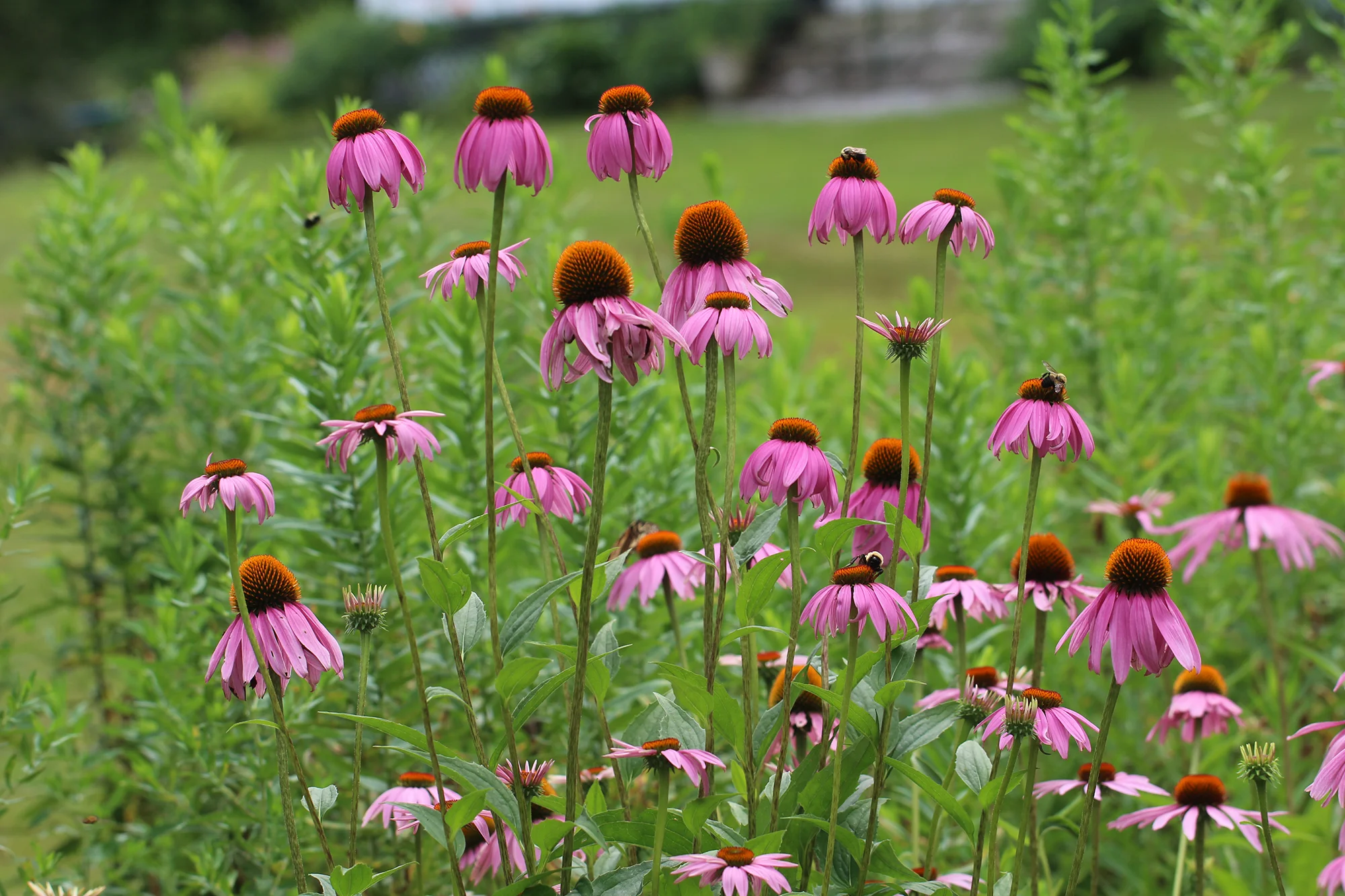
Purple flowers Photo: Jack Saul
The abundant purple coneflowers are attracting a variety of pollinators this year. | Photo: Jack Saul
Blooms Photo: Emily S. Rowe
Bradbury’s monarda, butterfly weed, and lance-leaved coreopsis supply vibrant color for attracting pollinators. | Photo: Emily S. Rowe
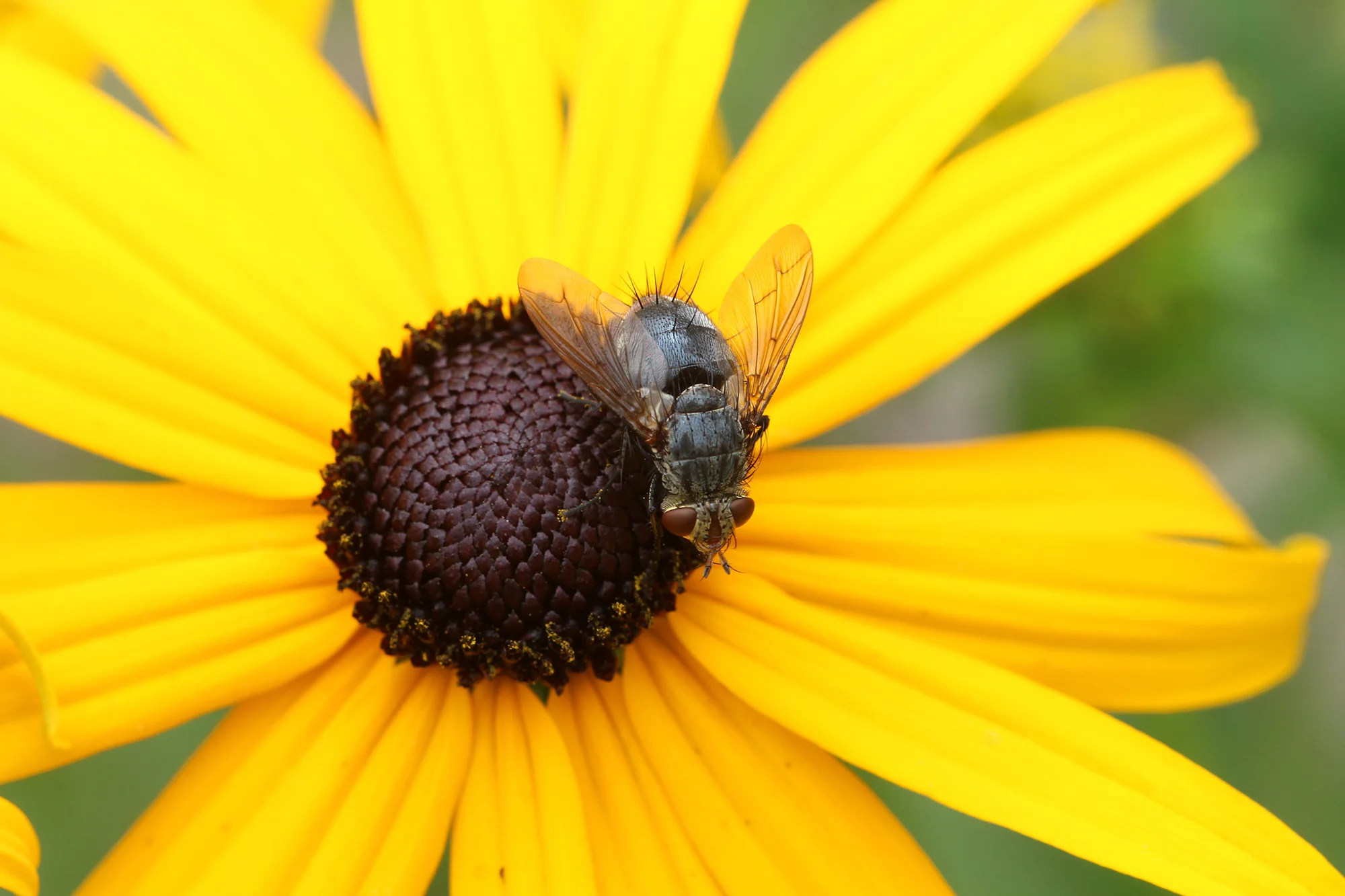
Yellow flower Photo: Jack Saul
A tachinid fly on sweet black-eyed Susan. | Photo: Jack Saul
Floral garden Photo: Jack Saul
Purple giant hyssop, cardinal flower, and purple coneflower all in bloom. | Photo: Jack Saul
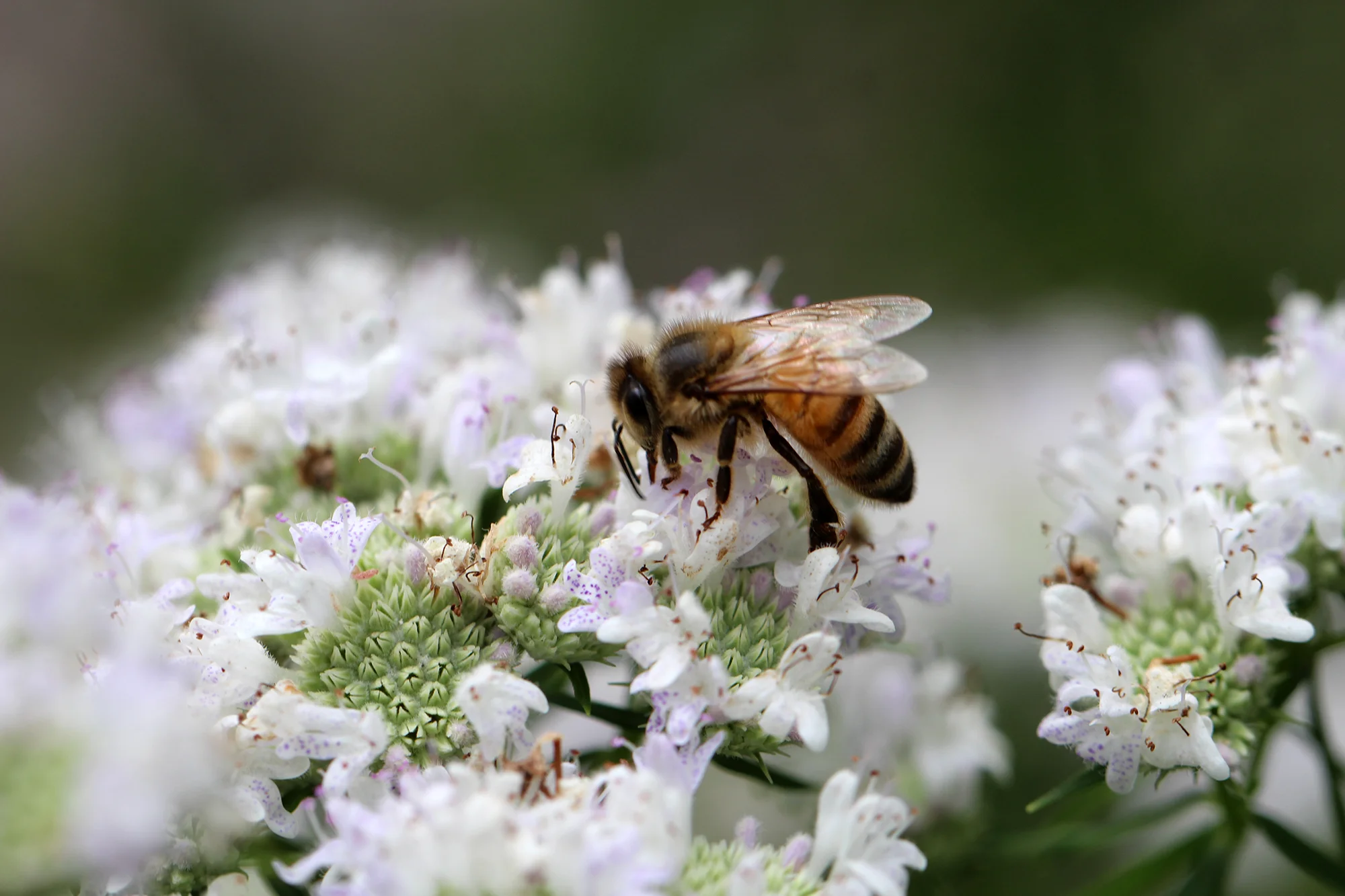
Bee Photo: Jack Saul
A honeybee extracts nectar from the clustered mountain mint. | Photo: Jack Saul
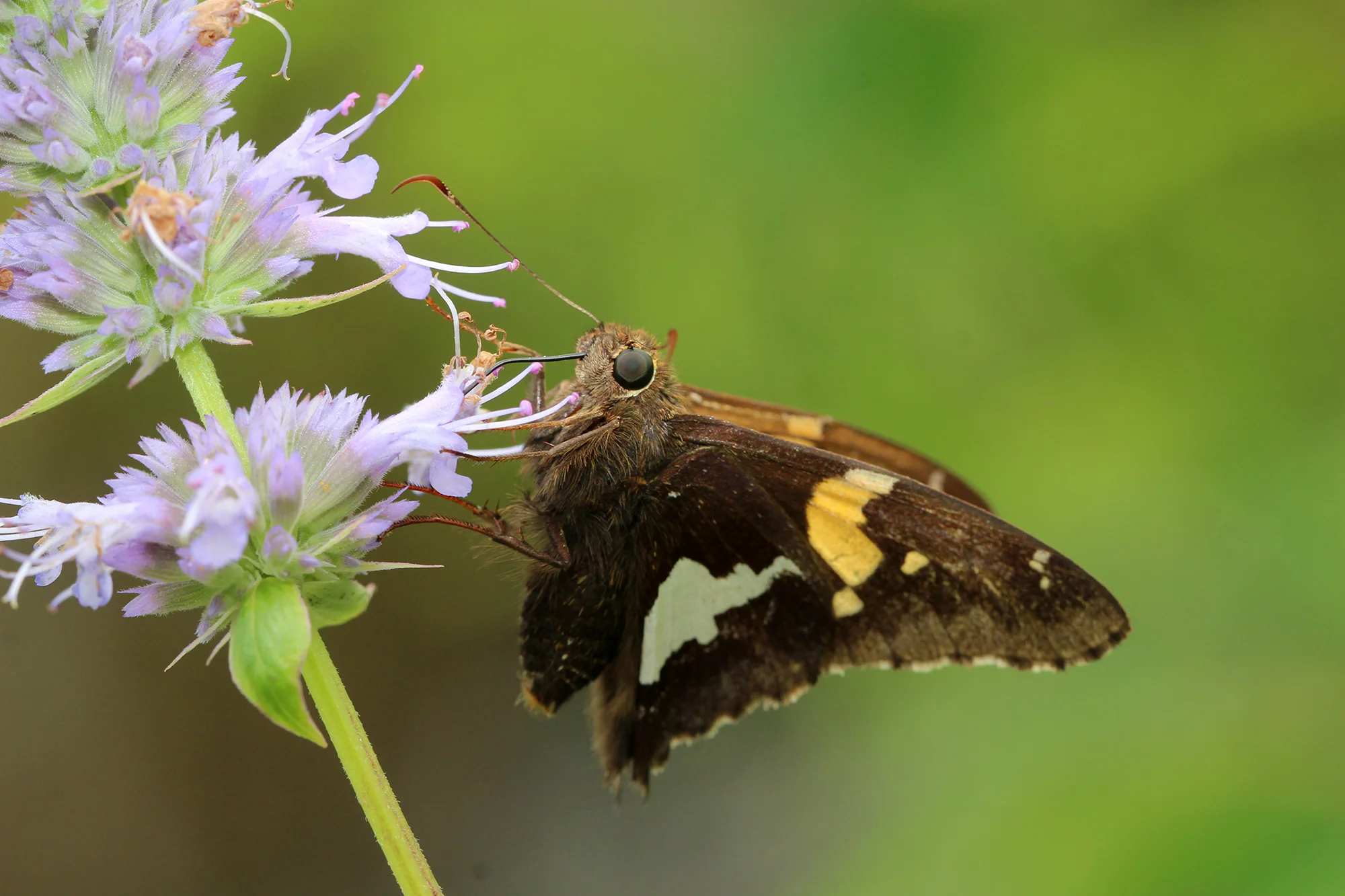
Brown pollinator Photo: Jack Saul
A silver-spotted skipper on the purple giant hyssop. Look closely and you can see the proboscis in the flower. | Photo: Jack Saul
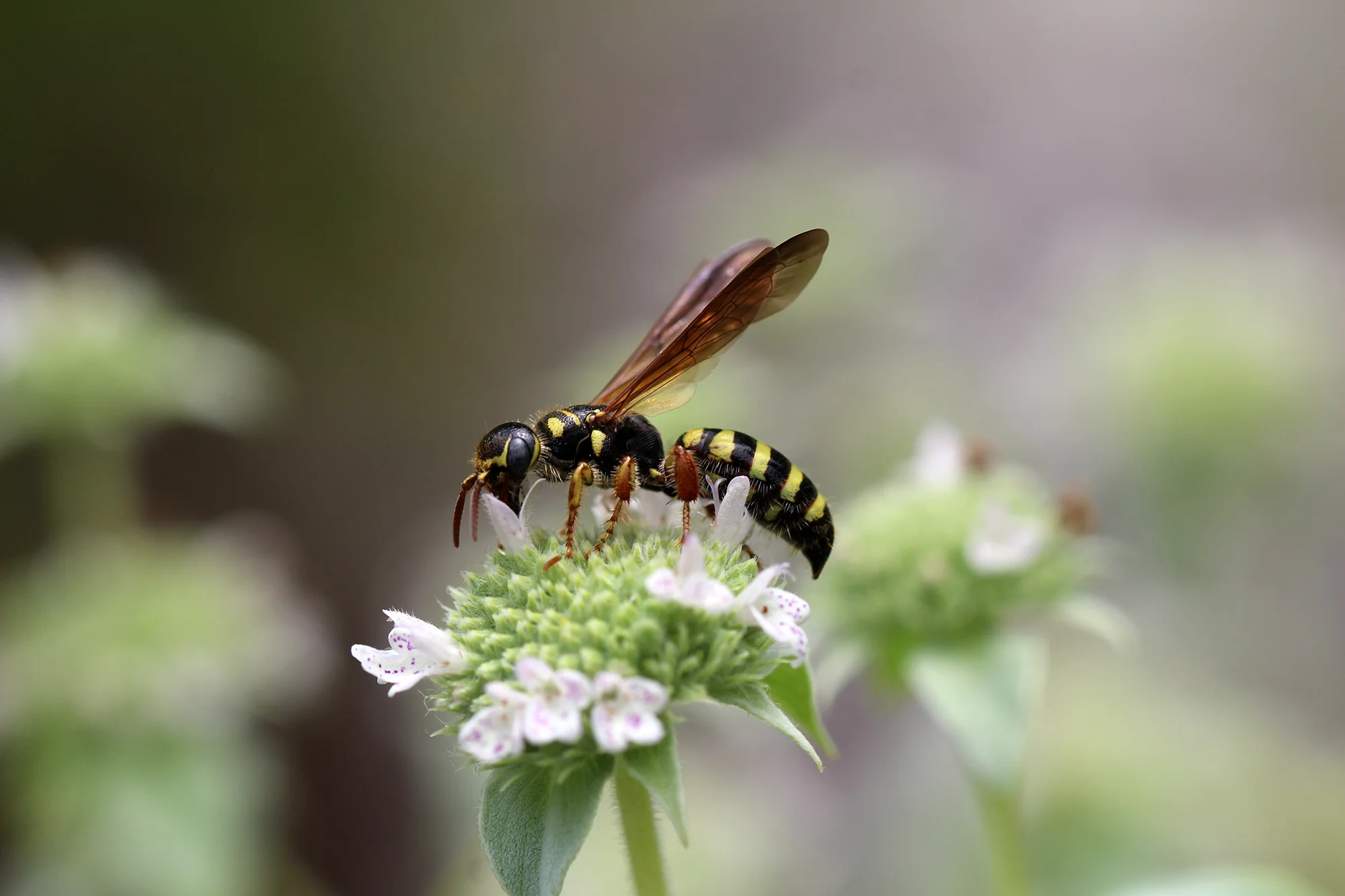
Stinging insect Photo: Jack Saul
A five-banded thynnid wasp on clustered mountain mint. This solitary wasp may help control Japanese beetles, white grubs, and other harmful insects. | Photo: Jack Saul
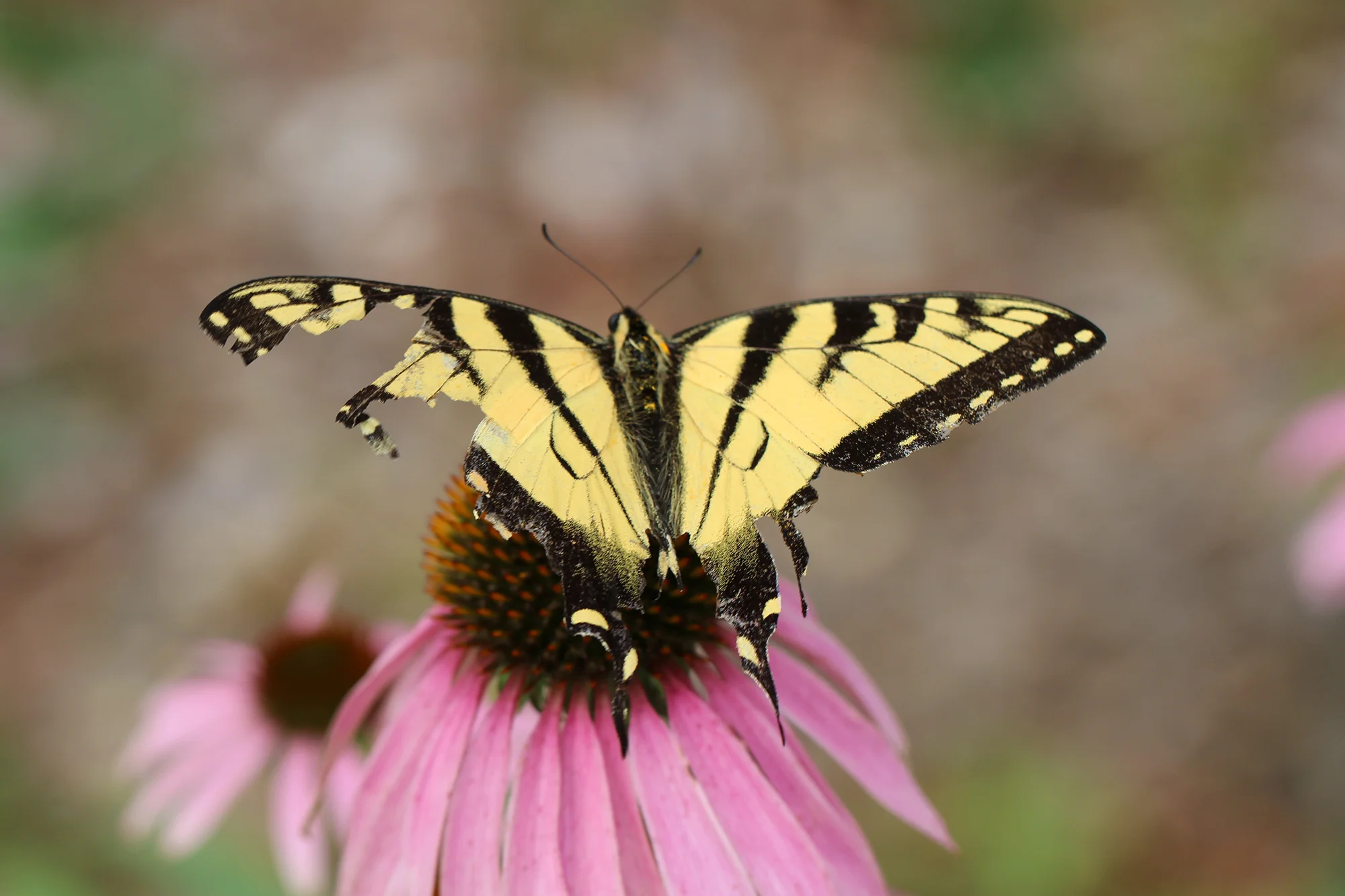
Broken wing Photo: Jack Saul
Despite its damaged wings, this swallowtail was navigating the garden quite well. | Photo: Jack Saul
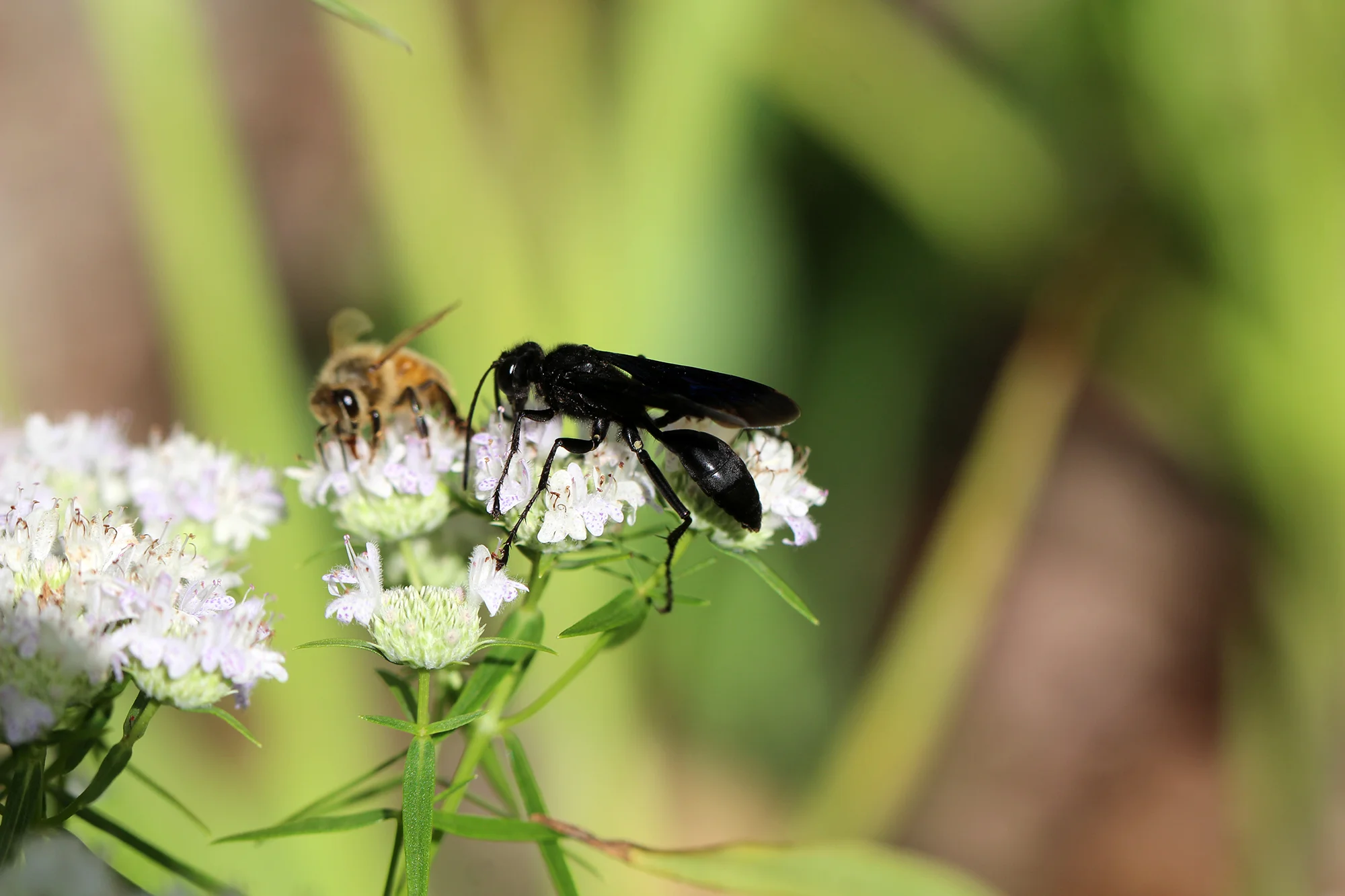
Black insect Photo: Jack Saul
Many bees and wasps gravitate to the mountain mints in large quantities, including this great black digger wasp. | Photo: Jack Saul
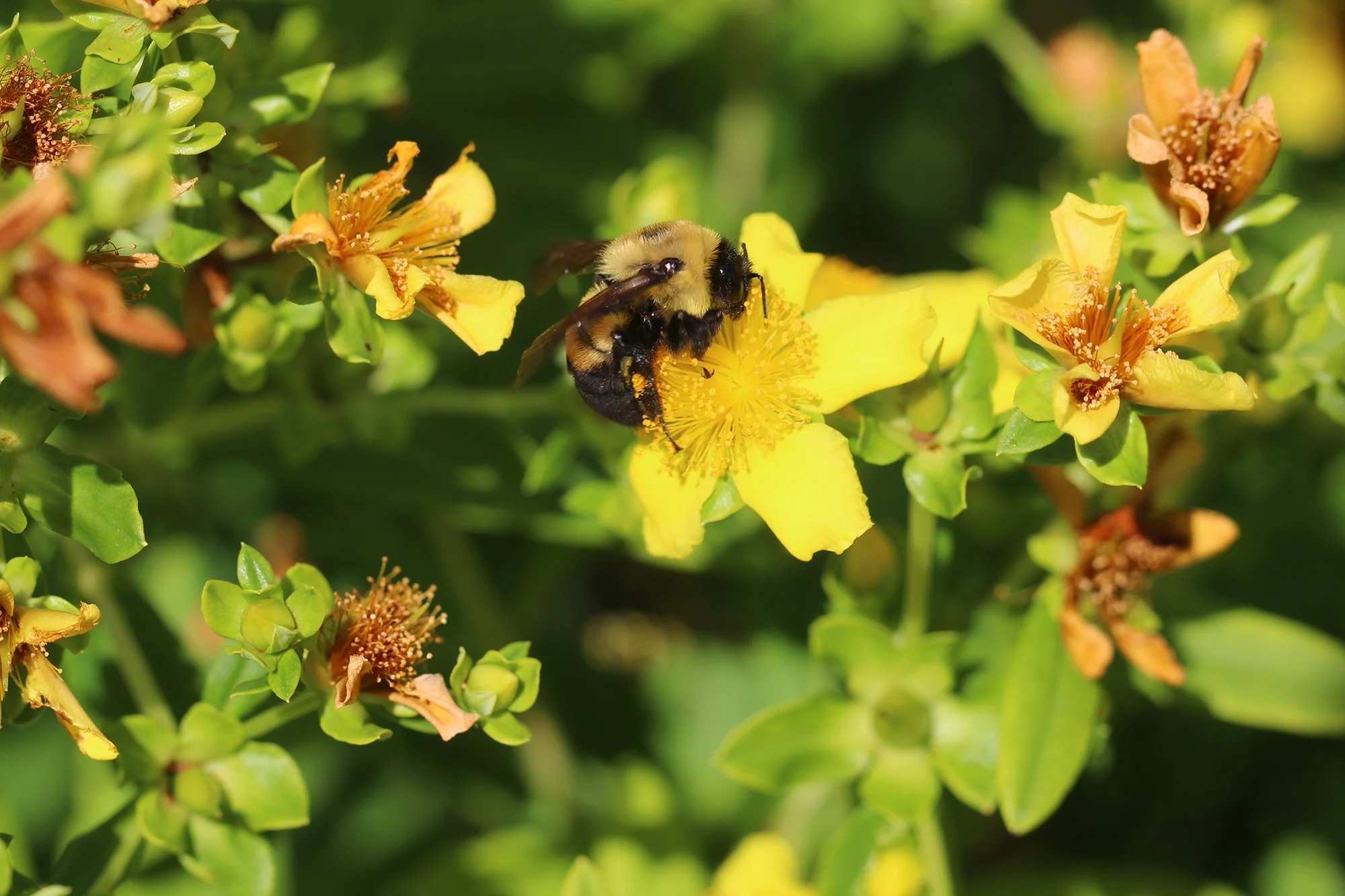
Yellow flower Photo: Jack Saul
This bumble bee accumulates pollen on its legs as it visits the flowers of St. John’s wort. | Photo: Jack Saul
Interesting insects Photo: Jack Saul
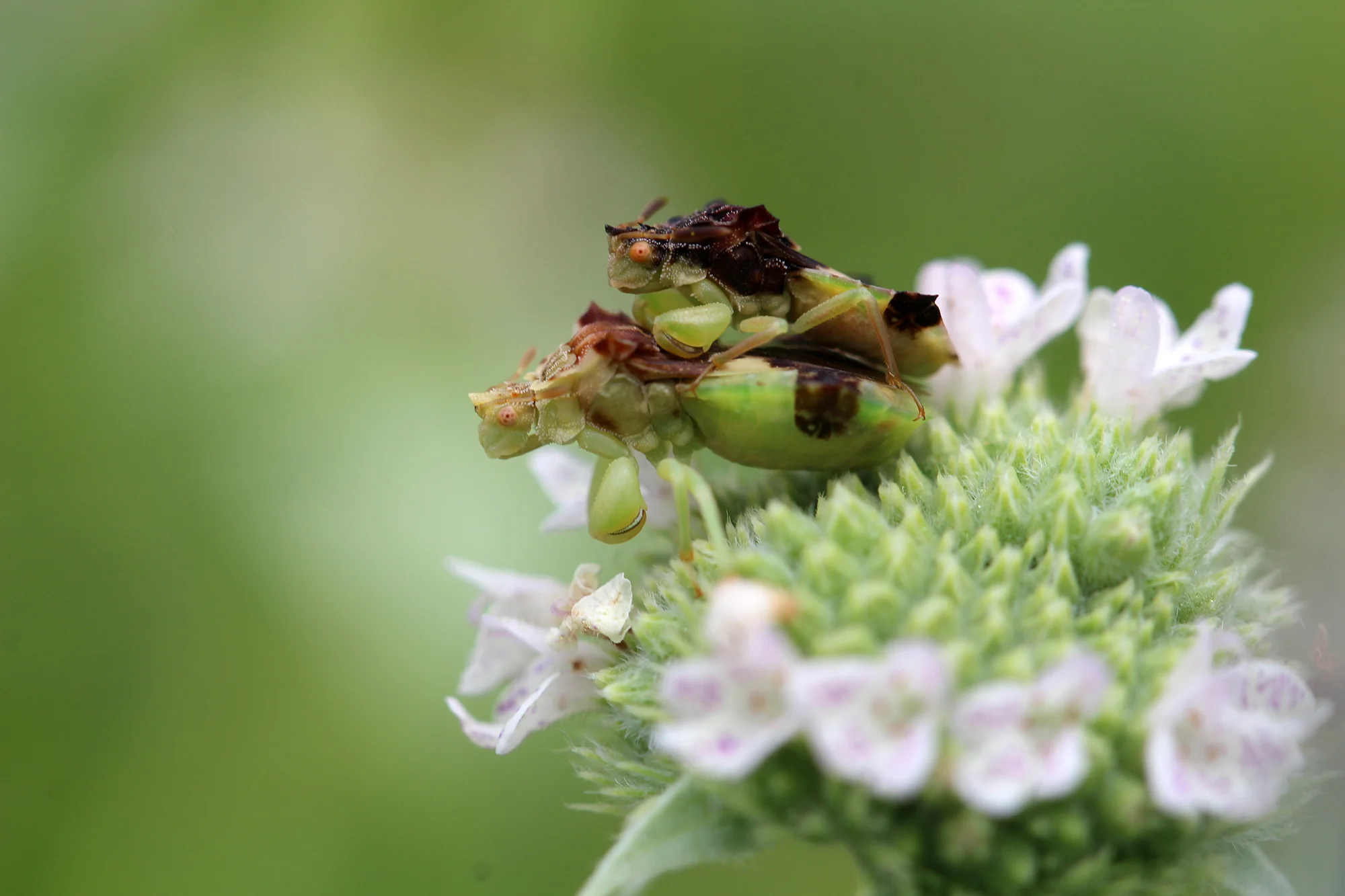
These strange looking insects are Pennsylvania ambush bugs. They are also beneficial in the garden, preying on thrips and aphids. | Photo: Jack Saul
Side garden Photo: Emily S. Rowe
We added a new border garden along the driveway and adjacent to our neighbor. It doesn’t look like much now, but we know what a few years will do! | Photo: Emily S. Rowe
Side blooms Photo: Emily S. Rowe
Purple coneflower and hoary vervain make a nice pairing in the garden, with our neighbor’s office building in the background. | Photo: Emily S. Rowe
Garden paths Photo: Emily S. Rowe
The garden offers many lovely views around the Common in Lyme. | Photo: Emily S. Rowe
Garden at night Photo: Emily S. Rowe
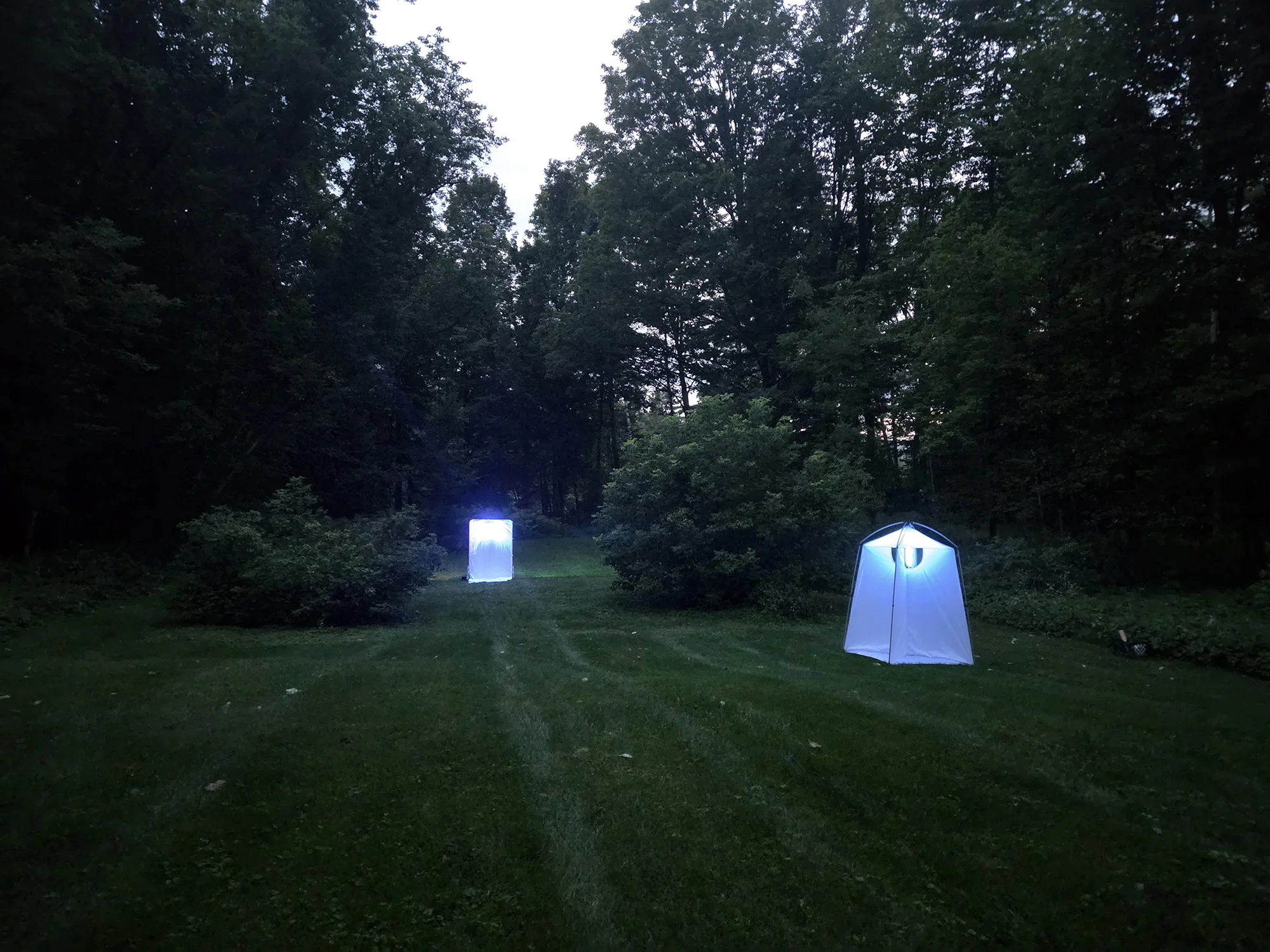
We hosted our annual moth ball at the end of July this year. Participants wait in anticipation for it to get dark. | Photo: Emily S. Rowe
Special guest Photo: Emily S. Rowe
One of our staff found a luna moth caterpillar the day before the Moth Ball! We use an ultraviolet flashlight to help locate caterpillars like this one, which glow under UV light. | Photo: Emily S. Rowe
Backyard Photo: Emily S. Rowe
The setup is ready. Now we wait for moths to appear. | Photo: Emily S. Rowe
Moth ball Photo: Emily S. Rowe
We have some young regulars who return each year to expand their moth identification skills. | Photo: Emily S. Rowe
Insects Photo: Jack Saul
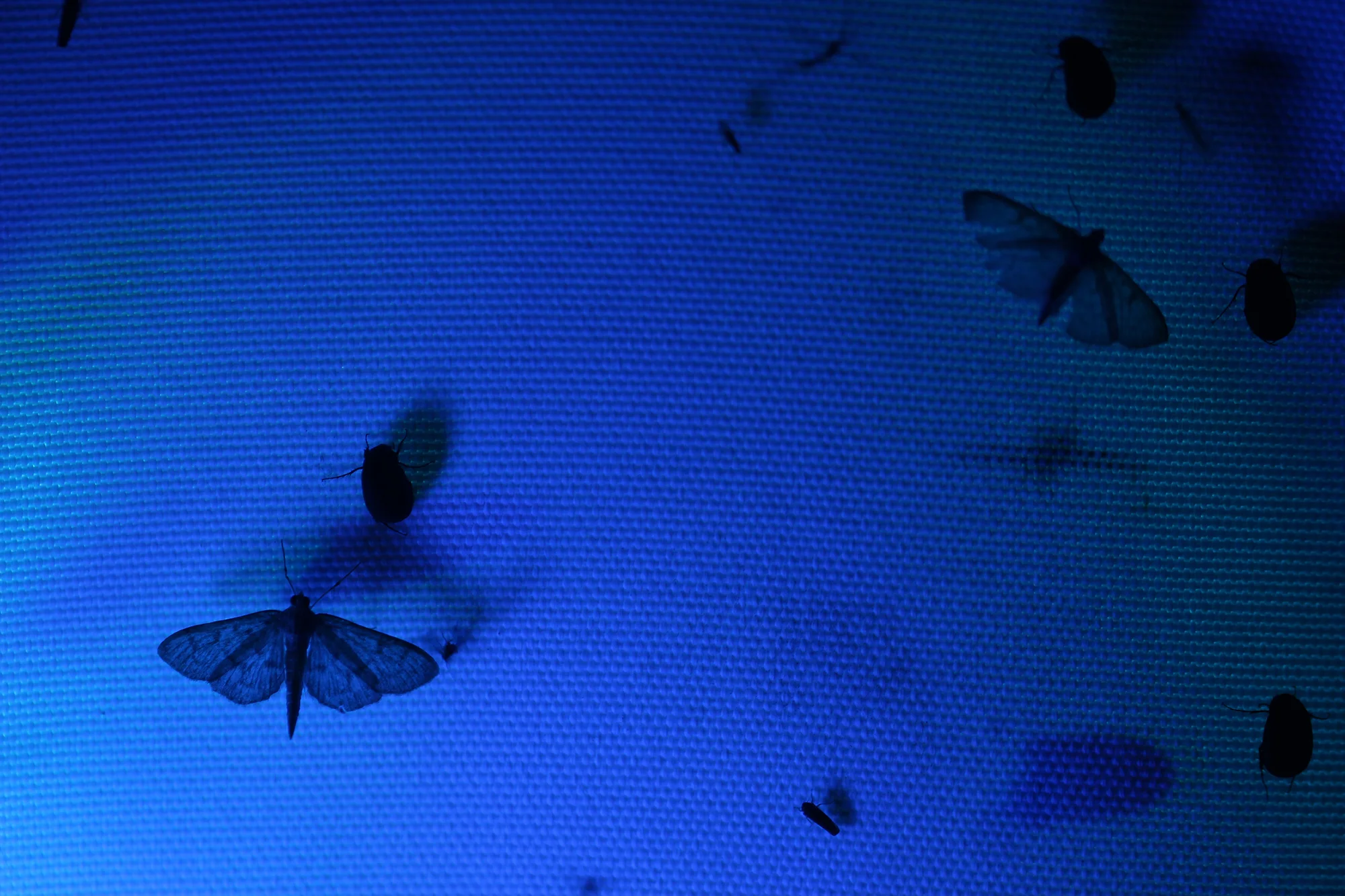
This year we recorded 90 species over a two-hour period! | Photo: Jack Saul
Moth ball Photo: Jack Saul
The Moth Ball is a very engaging event for all ages. | Photo: Jack Saul
Moth ball Photo: Emily S. Rowe
Identifying and photographing the various species that appeared. | Photo: Emily S. Rowe

No discussion as of yet.

Leave a reply

To ensure a respectful dialogue, please refrain from posting content that is unlawful, harassing, discriminatory, libelous, obscene, or inflammatory. Northern Woodlands assumes no responsibility or liability arising from forum postings and reserves the right to edit all postings. Thanks for joining the discussion.

Very sorry, we are working on this form. If your submission fails, please try later when this message has been removed. thank you for your understanding.