
A red maple tree in the backyard stretched well above the two-story house where I grew up. It was not an easy tree to climb, but it was the best one. I would jump up to grab the lowest branch and walk my feet up the trunk until I could hook a knee over, then climb high enough to see over the roof of our house, feeling the sway of the tree’s body. The bark of the trunk was cracked and rough, but the boughs were smooth and gray. They felt good to the palm of my hand.
I climbed the red maple enough times to feel comfortable and sure of each step, placing my foot close to the trunk, where the limbs were strongest. Even so, lifting myself to the highest fork made my heart pound. It was, I imagined, like being in the crow’s nest of a great ship, clinging to the mast as the vessel rose up and over the waves. I distinctly remember looking down through the leaves at the upturned face of a slightly older boy from across the street; he had tried and failed to pull himself onto the first branch.
As I grew older, I preferred wandering alone in the woods to most other activities more common to teens. In the fall of tenth grade, I stuck books by Thoreau and Emerson into the waist of my pants and climbed the maple to do my reading there. In the woods, we return to reason and faith. The maple’s leaves quivered around me. They had turned a vibrant red to match their red stems.
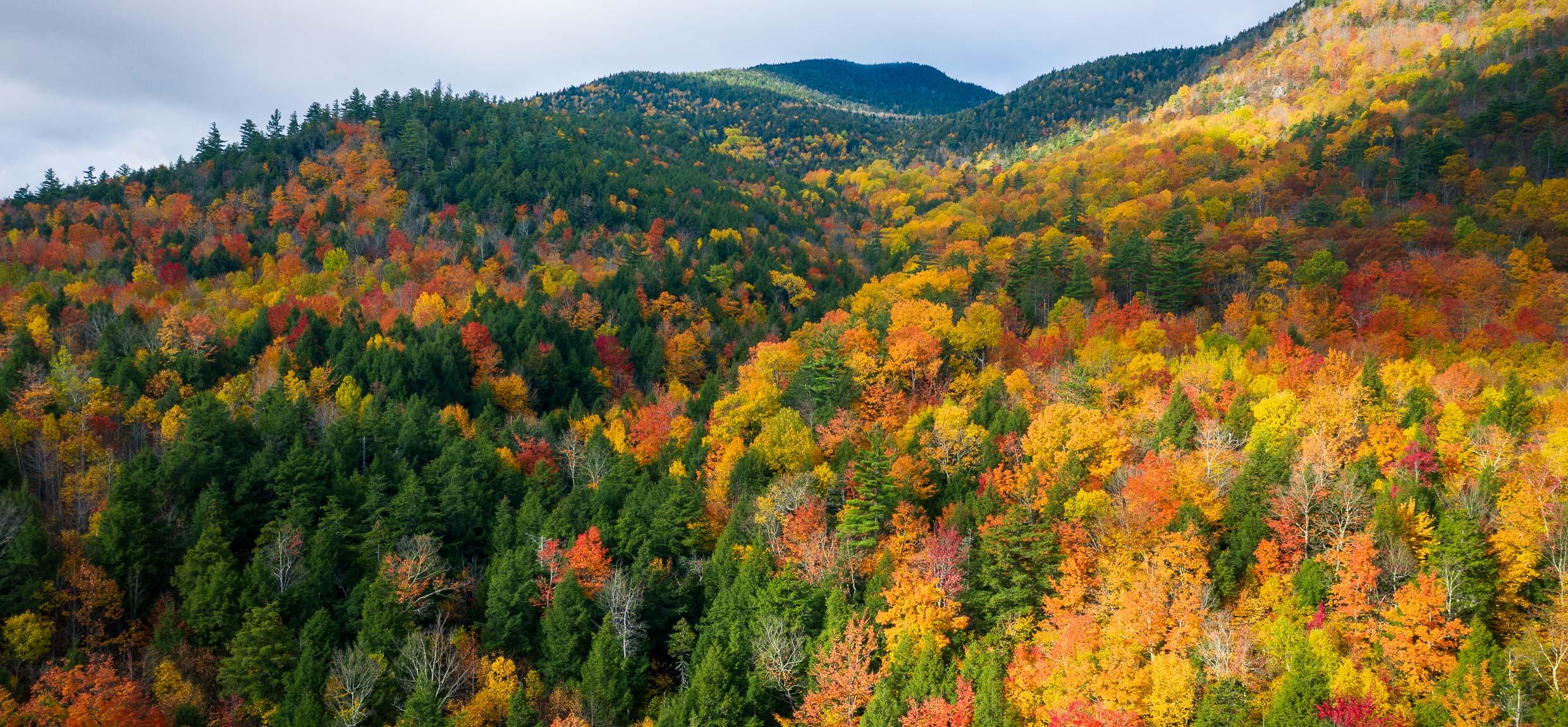
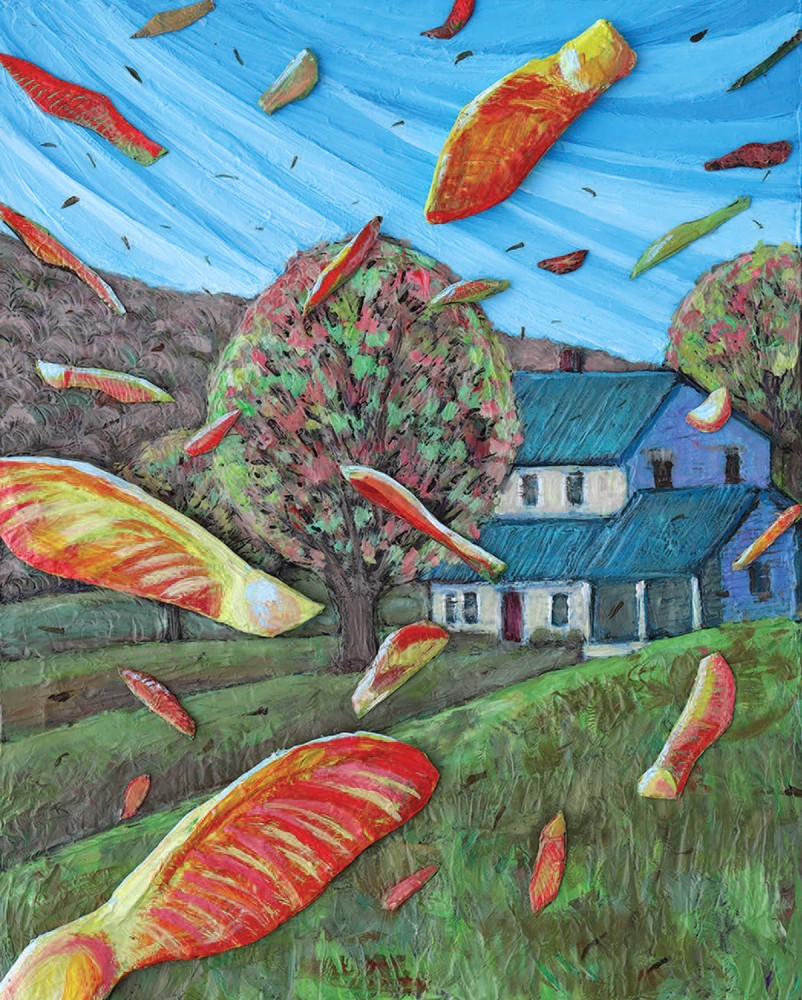
Come spring, the red maple was as true to its name as it was in fall. Before putting out new leaves, it bloomed crimson with other maples across the hillsides, lighting the landscape with a pink glow. From these clusters of flowers came hanging tassels of pink-and-green helicopters, whirlybirds, spinners – the many names revealing our human delight. The yard would fill with them in late spring, samaras twirling down from the sky like little ballerinas. Try to catch one and your hand would close around air, the seed spinning away at the last moment.
All species of maple have samaras, winged seeds – which are technically fruits – designed to flutter from the parent tree and find their own space to take root. Other trees’ samaras have different shapes: long and skinny for ash, tiny and double-winged for birch. That tenth-grade year, I was discovering that my own fluttering path was not much aligned with those of my peers – even my friends – and mostly I was fine with that. I memorized poems and took to the woods; I made it a habit to notice things.
In a 2024 study, published in the journal Nature, of the “remarkable aerodynamic resilience” of maple samaras, the authors note that “samara rotation is underexplored in literature.” However, it is not underexplored in practice. How many children have tossed a helicopter in the air, or hurried one to the top of a swing set to set it free and watch it spin? I’ve been determined not to grow out of such wonders, and so I toss samaras in the air with my kids, climb trees, squat down to pet the moss.
The scientists who studied samaras – who dutifully calculated angular momentum, centrifugal force, and inertia – found that even when burdened with double their weight (imagine a raindrop), the samaras’ wings still helped them fly, bringing them earthward only 15 percent faster. Even torn and missing nearly half their trailing wing area, they executed their perfect turns on air.
Once upon a time, my backyard maple tree was a seed hitched to a samara that flew. If butterflies can remember a scent or a taste from their caterpillar days – the green, leaf-munching time before their entire body dissolved and reconstituted itself – is it a great stretch to imagine a tree holding somewhere in its body the memory of flight?
The maple, my sturdy symbol of solitude, thrust its roots far into the soil of home. But high above, where the branches teased the chimney, it shook off the weight of the world, dancing on its stem, sending out its little winged seeds like a thousand whims.
It’s been two decades since I moved out of the house with the backyard maple, but my parents still live there. Recently, the tree grew sick enough to be a danger to the house. My father sent me a video, and I cried as I watched: After the chainsaw did its work, the tree stayed miraculously upright, held by the arm of a crane. Then, a remarkable thing happened. The leafless tree lifted into the air, higher and higher, its silhouette turning gently against a bright winter sky.
Discussion *