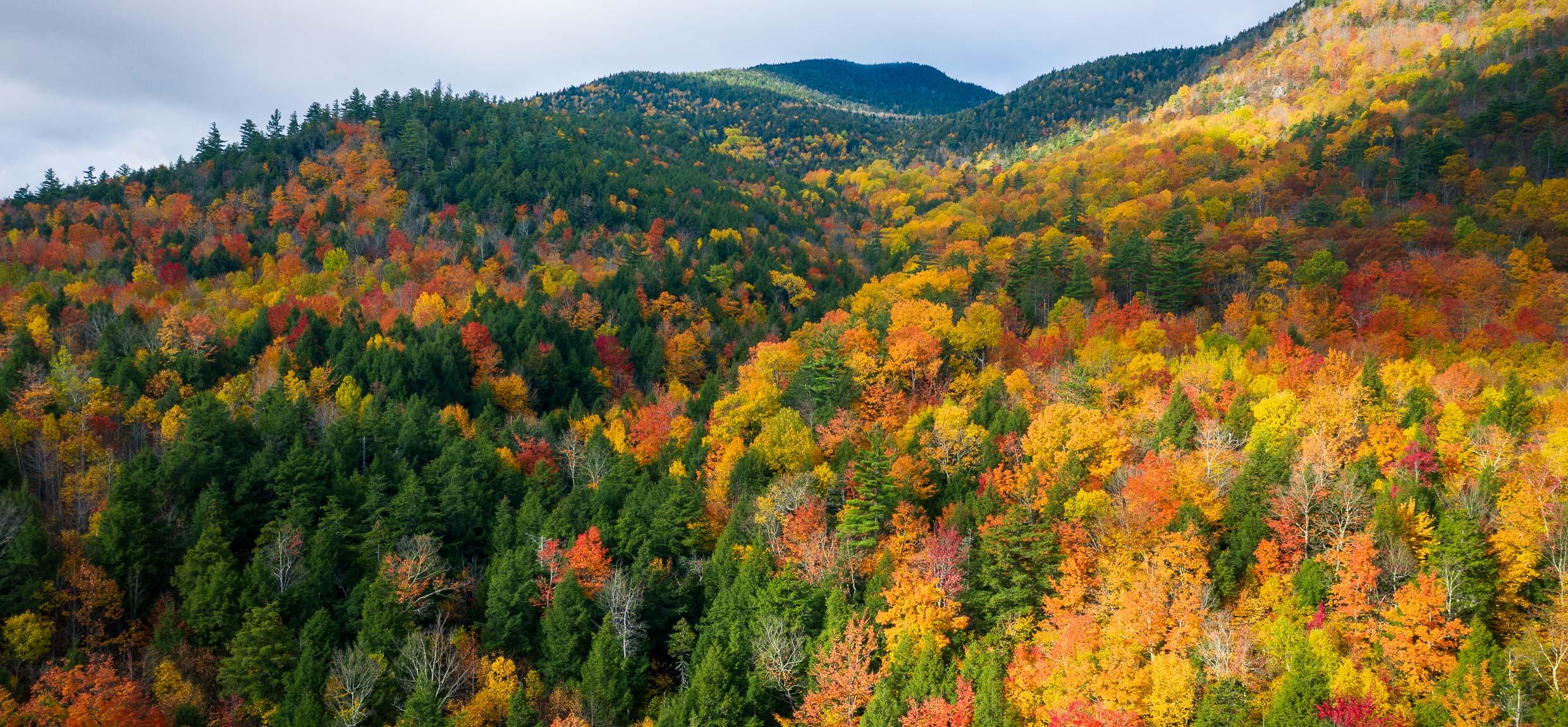


My father spent our summer vacations woodcarving. He would set up in front of the cottage, right at the water’s edge, with a piece of wood cradled in his lap – or, if it were large, in the arms of a sawhorse – his array of knives, mallets and chisels, sandpaper and rags spread on the ground beside him. There, in the shade of a pine tree, he would spend most daylight hours, his t-shirt and swim trunks covered in wood dust, the tapping of the mallet providing background to our lakeside activities. He might go for a swim or join some conversation the rest of us were having. But mostly he worked steadily, in silence, occasionally taking a long pause to contemplate the wood – turning it, viewing it from different angles – or to study the bordering mountain’s ridgeline, watch the shifting clouds, or gaze across the lake.
Over the course of a summer, whatever initial ideas he had for a piece slowly morphed and evolved until, after applying the last coat of linseed oil, he was every bit as taken by the final figure as the rest of us, as if forces other than himself had been at work.
My father learned to carve in his 30s, creating small, palm-size animals as occupational therapy while he was a tuberculosis patient in the early 1940s, when rest at a sanatorium was the only “cure.” Maybe because he associated woodcarving with rest, he took it up again in the 1950s when our family headed north for summer vacations and a much-needed respite from his daily subway commute and increasingly high-level, high-stress positions in New York City’s Health Department.
Over the years, as his confidence as a carver grew, so did the size of the carvings. By the 1960s, some reached up to 4 feet in length, and they were no longer animal, but human – and increasingly abstract: long-limbed and graceful dancers, or seated and reclining figures.
In the early 1970s, when my siblings and I were out of the house and devising summer plans of our own, my parents stopped going to the lake and spent their summers at home. My father tried carving in the Brooklyn backyard, setting up in the shade of the Norway maple, alongside the back fence. His views here reached only to neighboring houses, the garage, and the back stoop. He quickly lost interest. Friends who’d supplied the wood he’d used previous summers continued to bring it in the hope that a beautiful piece of cherry or mahogany would inspire him. But the wood sat in the garage, untouched. Eventually, he stopped carving entirely.
Twenty years after his death, I made a catalog of all 58 of his carvings, prized possessions now divvied up among the four of us siblings. To label each piece accurately – including what year he made it and from what type of wood – I drew on my own and my siblings’ plentiful memories of our years at the lake. And I enlisted the services of several woodworkers to help me identify wood type. But, as each of them explained, it was nearly impossible to identify wood after so many years of exposure to the elements, particularly without the ability to examine it in cross-section. For many of the figures, I could be no more definitive about its makeup than “Hardwood,” “Domestic Softwood,” “White Oak?”
I found such inaccuracy frustrating, keeping me from giving the pieces – and thus, my father – their proper due.
But then, during the process of photographing the pieces, I saw how misplaced my focus on wood type was. Before photographing each carving, I wiped it down with boiled linseed oil. The smell of the oil has always been evocative of my dad, and the combination of the fragrance, the intimacy of going around each figure’s contours with a soft cloth, and the magnified, detailed view of the wood through the camera’s lens – pores, grain, small indications of chisel marks – made me feel I was in my father’s presence, with him again by the lake while he carved.
There were the intoxicating scent of sunbaked pine, the sinuous curves of shoreline and mountain ridge, the wind’s own chisel marks beneath the white caps in the cove, the ever-changing abstractions of the clouds. The long-distant lake view and the inner calm, the grace and utter joy such a view grants. There, too, were the conversations and the laughter. There they all were, more essential, more integral to the carvings than the wood itself – each piece a memory of my father and those summers by the lake.