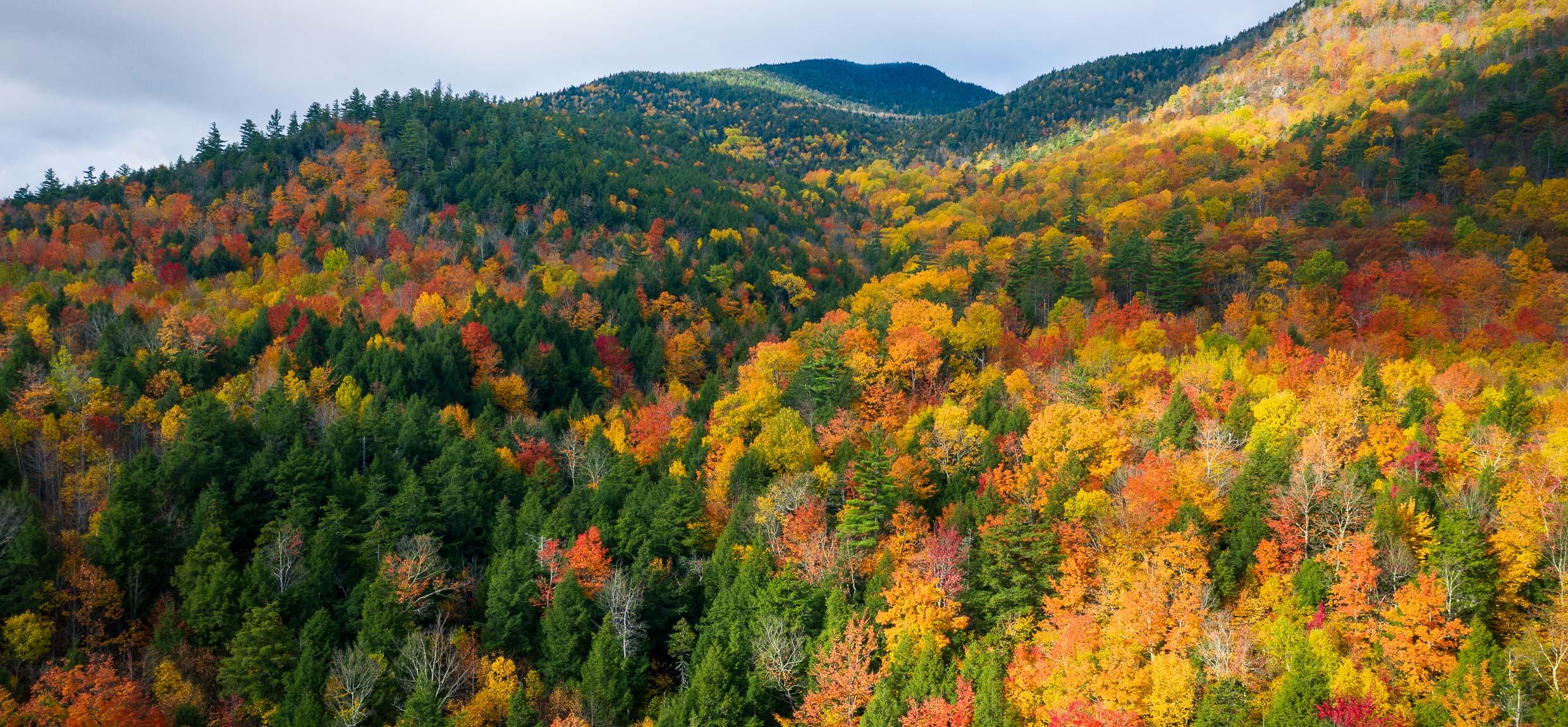


Few things have affected our relationship with the outdoors as much as the surge in blacklegged ticks (Ixodes scapularis, often referred to as deer ticks) over the past few decades. Like many others, I spent much of my childhood running through forest and field with only the occasional American dog tick to pluck off. Now, when I head out for research, photography, or a hike, I take tick precautions, and I have curtailed my activities in high-risk areas during the warmer months.
Ticks, as blood-sucking ectoparasites, are unpleasant enough in their own right. But I’ve changed my behavior because of what they may harbor; as most know, the blacklegged tick is the vector for (among other pathogens) Borrelia burgdorferi, the bacterial causative agent of Lyme disease.
Despite the public health implications and widespread interest, there are still large gaps in our understanding of why blacklegged ticks and Lyme disease have exhibited such dramatic and widespread increases over the past few decades. According to Centers for Disease Control, the number of Lyme cases in the United States has increased from between 4 and 6 cases per 100,000 people at the end of the 20th century to almost 27 cases per 100,000 people in 2023. While some of the increase can be attributed to better surveillance and detection as the public and the medical community have become more knowledgeable about the disease, those are not the only factors at play.
“We only have partial answers to why things have changed so much,” said Richard Ostfeld, a senior scientist at Cary Institute of Ecosystem Studies (Cary Institute) who has been studying blacklegged ticks and Lyme disease since the 1990s. Our understanding of the blacklegged tick life cycle, the ecological factors shaping tick abundance and Lyme prevalence, and climate change interactions can help predict risk, but there is still much to learn.
Ecological Changes Mean More Ticks
A warming climate is one factor contributing to an expanding range for blacklegged ticks, according to Ostfeld, who notes that in the Northeast, blacklegged ticks are expanding up in latitude, moving westerly from the coast into more interior areas, and also moving higher in elevation.
“Blacklegged ticks are very weakly mobile,” said Ostfeld. “They sit there on the forest floor or on vegetation and wait for a host to draw near enough that they can grab ahold.” Blacklegged ticks require three hosts to complete their life cycle, and any factor that increases the odds of ticks encountering a host – including an increase in the number of warm days that a tick can host-seek – should lead to greater tick abundance, Ostfeld said.
According to Shannon LaDeau, another senior scientist at Cary Institute who specializes in disease ecology, a warming climate may also allow white-tailed deer – a host that can play an important role in tick dispersal across the landscape – to push farther north and survive in higher numbers due to reduced snowpack.
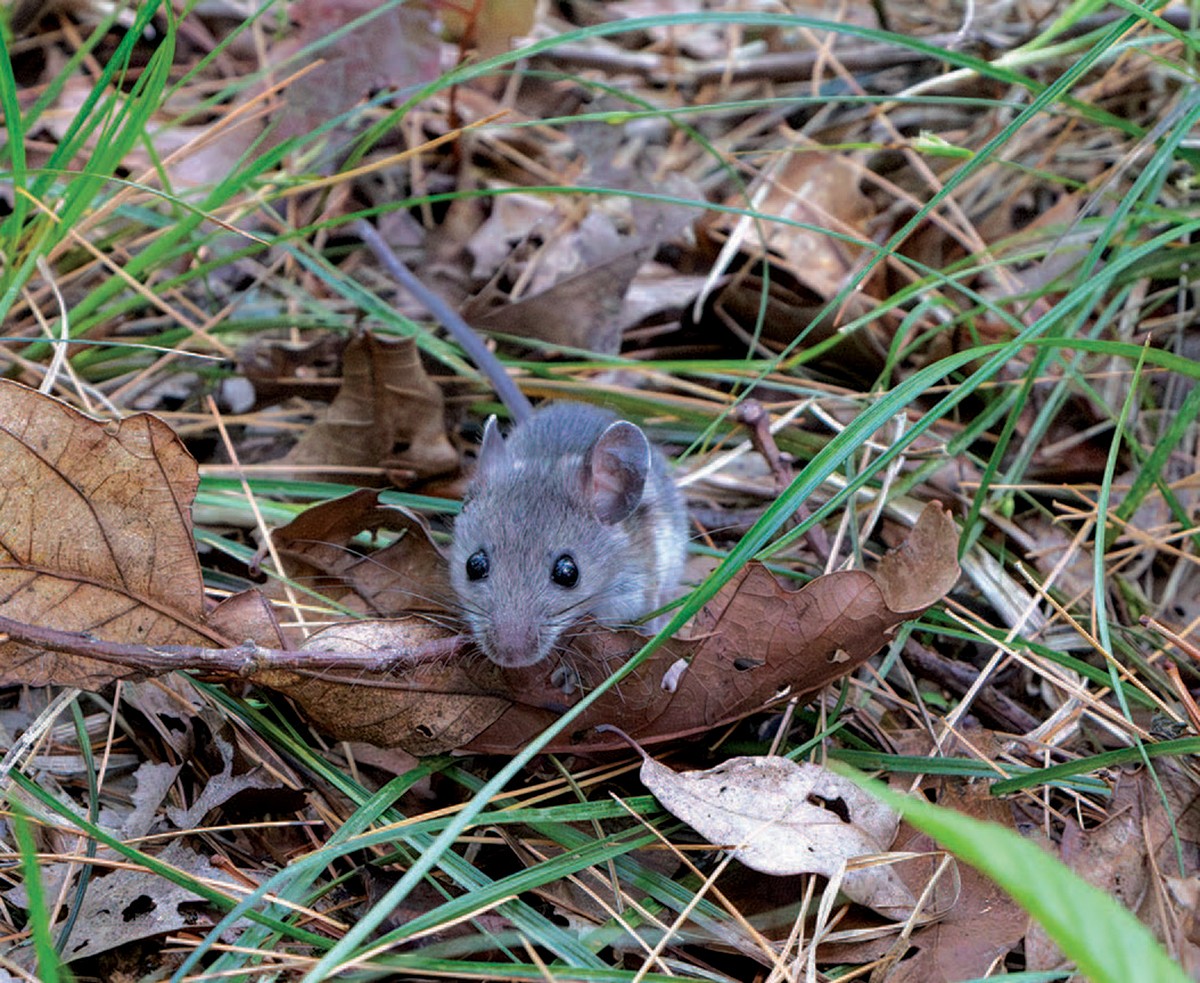
White-footed mice, which are highly competent hosts for B. burgdorferi, and white-tailed deer, which actually kill the bacteria but can disperse ticks, both benefit from habitat fragmentation, in part because their predators are often absent or less common in these areas. More heavily human-impacted areas also frequently experience reduced biodiversity – which may contribute to an increase in disease transmission. Species that are slow to develop and have low fecundity (few offspring) – including many of our apex predators – are often among the first to vanish from human-impacted areas. Conversely, species that develop quickly and have high fecundity, such as white-footed mice, generally do well in disturbed areas, and there is some evidence those species also may have an immunological profile that facilitates transmission of some diseases, including Lyme, within their ecosystems. Areas where white-footed mice dominate the small mammal community, for instance, often have elevated rates of B. burgdorferi within ticks and their hosts.
Invasive plant species may also impact the spread of Lyme disease. Researchers at University of Maine and University of Vermont are examining the role of invasive shrubs such as buckthorn, honeysuckle, and Japanese barberry on tick abundance in parts of the Northeast. This builds on work done by Mike Williams from the Connecticut Agricultural Experiment Station showing a positive relationship between Japanese barberry cover and blacklegged tick numbers in Connecticut. Researchers suspect that the moist microclimate beneath the invasive shrubs allows ticks to survive longer – and search for hosts longer – than in areas with native vegetation.
Ostfeld notes that ticks, especially in their larval and nymphal stages, are very sensitive to moisture loss. This is why one of the most effective means of preventing tick bites is to run field clothes through a high-heat cycle in a dryer for 10 to 15 minutes (not the washing machine first) immediately after an outing in tick territory.
Finally, suburban sprawl has resulted in more people coming into contact with blacklegged ticks. Just about any backyard that white-tailed deer frequent can become viable blacklegged tick habitat; people do not need to travel into the woods to encounter these parasites.
Life Cycle of the Blacklegged Tick
The probability of acquiring Lyme varies both over the course of the year, and from year to year. To help demystify some of the black-box nature of Lyme disease risk, it’s important to understand the blacklegged tick’s life cycle.
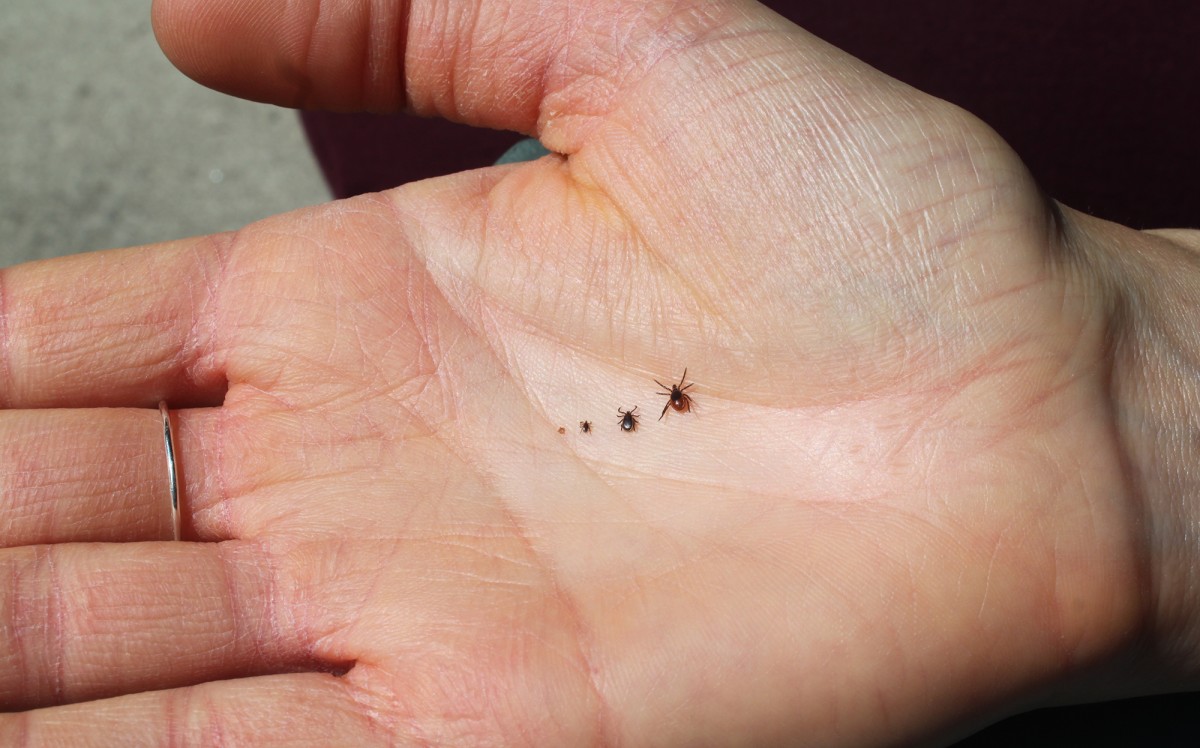
Life for a blacklegged tick begins as an egg deposited into the soil, typically sometime in May. In the Northeast, that egg hatches in July or August, and a hungry, six-legged larva emerges. This tiny larva – less than 1 millimeter long, or about the size of a poppy seed – has one goal: climb onto a suitable host to get its first blood meal; just about any ground-dwelling mammal or bird will do. Life is surprisingly difficult for early-stage ticks, and many die before they find a host. Larvae are at risk of desiccation and have only modest energy reserves. This developmental stage is the most numerous in the environment in late summer and early fall.
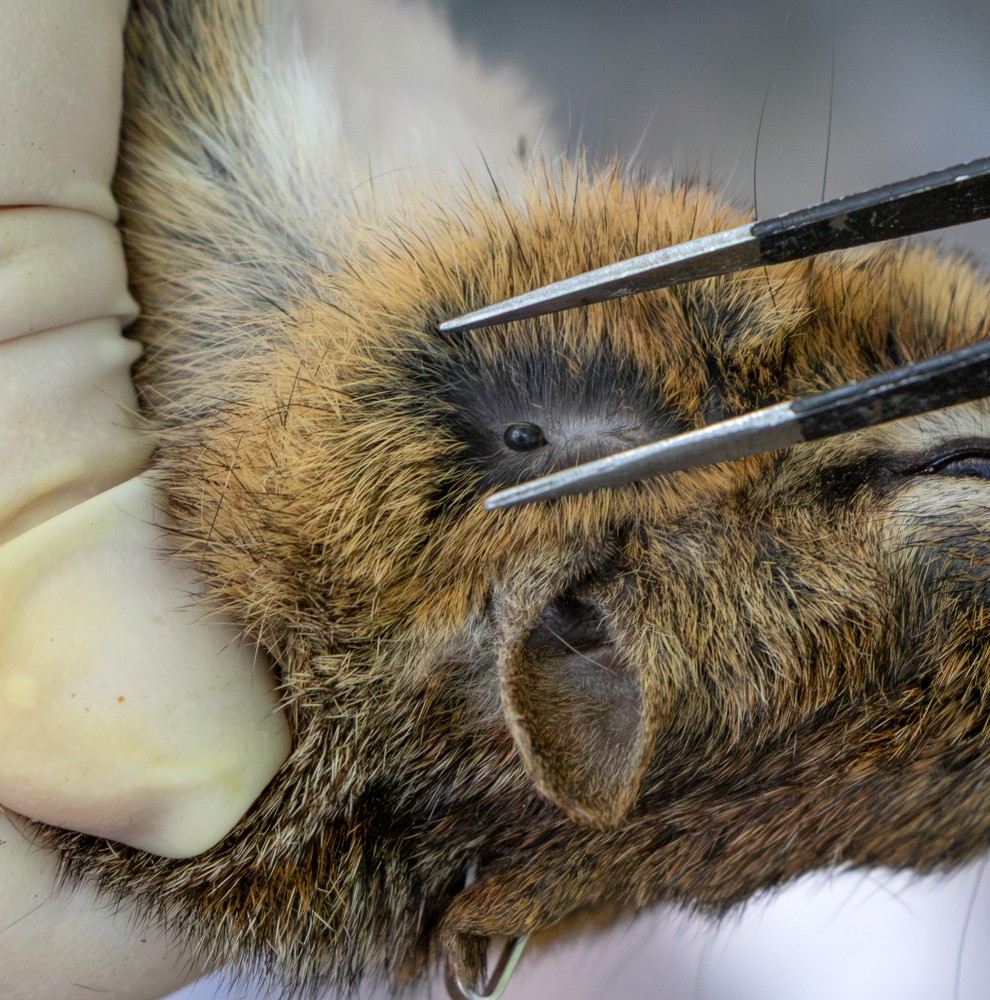
Because blacklegged ticks can only acquire B. burgdorferi once they have fed on an infected host, larvae do not transmit Lyme disease. Typically, larvae attach to small mammals such as a white-footed mouse or eastern chipmunk. If that host carries B. burgdorferi, the tick acquires the bacterium from the host and may then transmit the disease once it reaches the nymph or adult state.
Larvae that find a host will feed for a few days before dropping off and returning to the leaf litter, where they molt into nymphs. Nymphs, only slightly larger than the larvae but with eight legs, typically do not emerge until the following spring, when they begin questing for their next blood meal. There are regional differences in the timing of emergence and activity (ticks emerge earlier in warmer areas), but nymphs are generally most abundant and active mid-April through July, peaking in June. In some areas there is another period of activity in October and November.
Peak nymph activity is when people have the greatest risk of acquiring Lyme disease, said Ostfeld, because nymphs transmit the vast majority of cases of tick-borne disease. The reason for this is that nymphs can be carriers of B. burgdorferi (unlike the larvae), and they remain quite small and are therefore hard to detect. Nymphs are also present during a period when many people spend a good deal of time outdoors.
Big fluctuations in nymph-encounter risk can happen not only from season to season but also from year to year. One driver of between-year variation in tick abundance (and Lyme risk), at least in some areas of the Northeast, is acorn production. Small mammal populations, especially white-footed mice and eastern chipmunks, generally exhibit a boom the year following a mast year (when oaks produce an abundant acorn crop). The increase in host numbers can lead to increased survivorship for larval ticks, and the following spring (a year and a half after the mast event), increased nymph abundance.
Nymphs may encounter small hosts more often than large ones, but they use a wide range of hosts, from mice and chipmunks to raccoons and deer. Once on a host, nymphs feed for a few days before detaching and returning to the leaf litter. Here, they undergo their last molt, emerging in autumn as adults (2 to 4 millimeters long; females are larger than males) to find a final host on which to feed and mate. Both male and female adult blacklegged ticks may be infected with B. burgdorferi, but adult males do not feed and thus are not a risk factor for Lyme transmission. Unlike the larvae and nymphs, adult blacklegged ticks climb vegetation – roughly as high as a meter if possible – to quest for larger hosts, especially deer.
Scientists are not sure why adult ticks change their host size preferences, but there are some plausible explanations. “Adult blacklegged ticks are big enough that they’re fairly easily detectable on a host, so if they were to climb onto a mouse or chipmunk, they’re likely to get eaten” by the would-be host, Ostfeld said. Indeed, he and his team have trapped hundreds of thousands of white-footed mice and tens of thousands of chipmunks over the past few decades, and they have found adult blacklegged ticks on only a few individuals. “The adult ticks also mate on the host, so there’s probably selection to find a host on which they can expect to find a mate,” he said. “So, the bigger the better.”
Adult ticks can remain active as long as the air temperature is a few degrees above freezing. Ticks that were unsuccessful in finding a host in autumn can overwinter and resume questing in early spring. Most adult females that succeed in finding a host and a mate do so in autumn, and after feeding for about a week, they fall off the host and overwinter in an engorged state. The following spring, the female emerges to lay eggs and then dies, and the cycle starts anew.
Forecasting Risk
Some people treat their yards with anti-tick pesticides or baited rodent boxes that clear the mice of their ticks via an application of the insecticide fipronil (which kills ticks, but does not harm the mice), but a 5-year study led by Ostfeld and colleagues that was published in 2022 found no difference in the prevalence of Lyme in people who had treated their yards compared to those who did not.
LaDeau is working to improve forecasting models so that researchers and public health officials can generate more precise estimates of when and where risk of Lyme will be greatest. “We know something about the phenology of when the ticks are out and how the life cycle progresses,” LaDeau said, but scientists are still working to understand the factors shaping that phenology. “Our forecast models attempt to reflect the complex interactions and feedback potential among the system drivers (weather, land-use), the ticks, and their vertebrate hosts in order to predict emergent risk spots across the landscape months ahead of time.”
In the meantime, the best defenses against Lyme include the following precautions, especially during peak nymph activity: avoid walking through forested areas (especially those with many deer) as well as long grass or shrubby habitats; apply repellent to clothes; run clothes through the dryer on a high-heat setting and perform thorough body scans for ticks after going outdoors; visit a health practitioner if bitten by a blacklegged tick. A better understanding of the tick’s life cycle and the ecological factors that influence its abundance, combined with tick awareness and prevention, can help people make informed decisions about when and where to recreate and work in the northeastern woods.
Tick-Borne Disease in the Northeast
In addition to Borrelia burgdorferi (the bacterium responsible for Lyme disease), there are several other pathogens vectored by ticks in the Northeast. This table provides a summary of ticks that carry important and emerging diseases in this region. There are many other species of ticks present in the Northeast, but they are not considered to be important human disease vectors.
| TICK SPECIES | NOTES/INFORMATION | DISEASES |
| Blacklegged Tick Ixodes scapularis (commonly referred to as the deer tick) |
Transmission of Borrelia burgdorferi can happen within 6-12 hours of a tick being embedded, although infection typically does not occur within the first 24 hours. Powassan, in contrast, can be transmitted within 15 minutes of attachment. A vaccine for Lyme disease is available for dogs, and one for people is in clinical trials. |
|
| Lonestar Tick Amblyomma americanum |
This tick is present throughout the eastern half of the United States into southern New England and New York and has been reported in Ontario, Newfoundland, and Labrador. Like the blacklegged tick, the Lonestar tick requires three hosts to complete its life cycle, but they will use larger hosts such as deer and wild turkeys for all three stages. |
|
| Asian Longhorned Tick Haemaphysalis longicornis |
First confirmed in the United States in 2017 in New Jersey (although likely present prior to 2010), has now become established in southern Appalachian states north into New York, Pennsylvania, Ohio, and southern New England (and a first case in Maine in 2025). Able to reproduce asexually, which allows for rapid range expansion. Can be a major pest on livestock, especially cattle. Despite being a potential carrier, it is not thought to be a major vector of human diseases in North America at this point, partly because it does not prefer humans as hosts. |
|
| American Dog Tick Dermacentor variabilis |
Found across most of the eastern United States into parts of southern Canada. Rarely bites people, but has been known to transmit disease to humans. |
|
| Brown Dog Tick Rhipicephalus sanguineus |
Found just about anywhere there are domestic dogs. Rarely bites people but has been known to transmit Rocky Mountain Spotted Fever in some cases. This tick can complete its entire life cycle indoors. |
|
| Groundhog Tick Ixodes cookei (also called woodchuck tick) |
Found throughout the eastern United States, this tick rarely bites people, but it has been known to transmit Powassan virus. Prefers groundhogs and other small to medium mammals. |
|
* Detected via PCR in the field, but not documented as competent host in the lab.